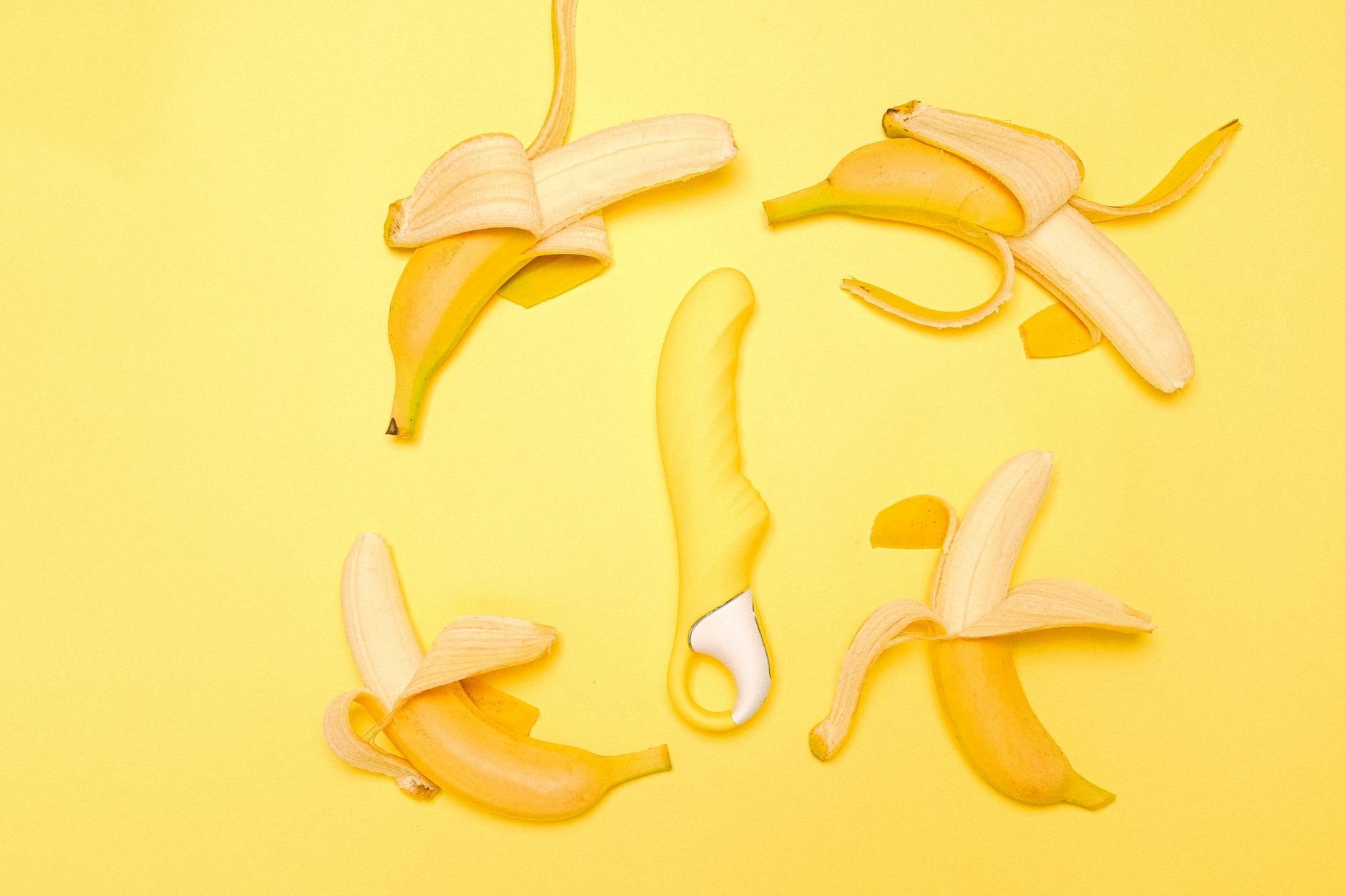
Why lemon vibrators matter more after 50 than you'd expect
Here's the thing nobody tells you about turning 50: your body becomes smarter about pleasure. Not worse. Smarter. The sensitivity shifts, the response changes, and what used to work can feel either muted or too intense. That's not a problem to tolerate. It's information telling you that you need a different tool.
Lemon vibrators, particularly air-suction designs like those from Hello Nancy, work differently than traditional vibrators. Instead of buzzing directly against your skin, they create a gentle suction and release pattern that stimulates a much wider area of nerve endings at once. For people over 50, this becomes genuinely transformative.
What actually changes in your body after 50
Collagen production drops. Skin elasticity decreases. The tissue around your clitoris and vulva becomes thinner and more delicate. Estrogen levels continue their steady decline, which affects lubrication and how quickly arousal builds. These are facts, not failures.
What doesn't change is nerve density. The clitoris has around 8,000 nerve endings, and that number doesn't decrease with age. What changes is the type of stimulation those nerves respond to most effectively. Direct, intense vibration can become overwhelming. Broad, pulsing suction becomes revelatory.
My clients over 50 consistently report that their most intense orgasms come from tools that distribute sensation across a wider area rather than concentrating it on a single point. This isn't a compromise. It's often the first time they've experienced full-body orgasms instead of localized ones.
Why suction beats vibration for sensitive tissue
Traditional vibrators work by moving side to side or in circles, creating friction against the skin. For thinner, more delicate tissue, this can feel uncomfortable or even slightly painful, no matter the speed setting.
Lemon clitoral vibrators operate on suction and release. The stimulator creates a gentle vacuum that draws the tissue upward, then releases. This motion:
- Engages deeper nerve clusters without grinding against the surface
- Distributes sensation across a 1-2 inch radius instead of one point
- Builds arousal gradually without the jarring intensity of traditional vibration
- Works with your body's natural response cycle instead of forcing a single pattern
When tissue is more delicate, you need a tool that respects that without treating it like an injury. Lemon vibrators do exactly that.
The warm-up window actually gets shorter
Counterinsultive, but true. After 50, arousal doesn't take longer just because you're older. It takes a different type of touch. What takes 20 minutes of direct clitoral vibration might take 8 minutes with the right suction device because you're activating the right nerve pathways from the start.
Many of my clients find that lemon vibrators actually accelerate arousal once they adjust to the sensation. The broadness of the stimulation creates a chain reaction in your nervous system that traditional vibrators simply don't trigger. You're not fighting against insensitivity. You're working with how your body actually responds now.
This matters emotionally too. There's a real difference between "it took forever" and "I got there faster than I expected."
How to adjust your technique with a lemon vibrator
If you're coming from years of using traditional vibrators, the adjustment takes about three sessions. Here's what actually helps:
Start at the lowest intensity. Lemon suction vibrators like the Lem have 3-5 intensity levels. Most people under 50 start at level 2. Most people over 50 should start at level 1 and stay there for the first few uses. Your nerve endings will respond faster than you expect.
Use more lube than you think you need. Water-based lubricant helps the suction seal properly and prevents any dragging sensation. More is genuinely better here. Reapply every 5-10 minutes if needed.
Angle matters more than you'd think. The clitoris isn't a flat button. It's got a hood, a glans, internal legs that extend down toward the vagina. Slightly rotating or shifting the vibrator's angle changes which nerve clusters you're hitting. Spend time exploring angles rather than staying in one position.
The pulsing pattern often works better than steady suction. If your lemon vibrator has pattern options, try the pulsing modes before the continuous ones. The on-off rhythm of suction and release often creates more intense sensation than constant suction, especially for people who've lost some overall sensation sensitivity.
Why lemon vibrators work better than higher-intensity toys
There's a temptation when sensation decreases to buy stronger tools. A vibrator with more power, more speed, more intensity. This is almost always the wrong solution.
Think of it like hearing loss. You don't fix hearing loss by making everything louder in every direction. You use tools specifically designed to amplify the frequencies you've lost sensitivity to. Lemon clitoral vibrators are like that. They're engineered to activate the exact nerve pathways that benefit most from suction rather than vibration.
The Lem and similar lemon sucker vibrators cost less than heavy-duty options and deliver better results for about 80% of people over 50 that I work with. More powerful doesn't mean more pleasure. It means more potential for irritation.
What partnership changes look like
If you're exploring this with a partner, the conversation shifts. "I want to try something new" is different than "nothing works anymore." The first one is playful. The second one carries shame that doesn't belong there.
Many couples find that switching to a lemon vibrator becomes a turning point in their intimacy. It's new for both of you. There's no baggage attached to it. It becomes something you explore together rather than something one person does alone because the old tool stopped working.
For solo exploration, which is how many people first discover what actually works for them, lemon vibrators offer the same advantage. You're not fighting against your body. You're discovering what your body actually wants now.
The recovery piece nobody mentions
After 50, your clitoris benefits from recovery time between sessions in a way it might not have when you were younger. This isn't damage. This is how your tissue responds to stimulation as it changes.
A 20-minute session with a lemon vibrator might feel more satisfying than a 45-minute session with a traditional vibrator, partly because the intensity is matched to what your body actually needs, and partly because recovery time matters more. This actually becomes an advantage if you're in a relationship where scheduling matters. Better sessions that don't leave you sensitive for days is a real win.
Integrating lemon vibrators into your routine
If you've been relying on one approach for decades, switching tools can feel strange at first. But most of my clients report that within 3-4 uses, it feels natural.
Start in a relaxed context where you're not testing anything. No performance pressure. No goal except "what does this feel like?" Many people discover that their most intense sensations come in the second or third session, once their body learns what to expect.
When you're ready to integrate it into partnered sex, that's a separate conversation. Start solo. Find out what works. Then bring the knowledge to your partner.
FAQ: Questions people over 50 actually ask
Can a lemon vibrator really help if nothing else has worked?
Most people find that it's not that nothing works. It's that traditional vibration stopped matching what their body responds to. Lemon clitoral vibrators operate on a different principle entirely. If you haven't tried suction-based stimulation, it's worth exploring. The nerve pathways they activate are different from vibration, so you're not fighting the same insensitivity issue.
Does it matter if I'm on hormone therapy or not?
Yes and no. Hormone therapy can help with overall tissue health and sensation, which makes any vibrator more enjoyable. But a lemon vibrator is gentler whether you're on HRT or not. Some of my clients on HRT find they prefer lemon vibrators anyway because they're comfortable and never feel too intense. Others who can't or don't use HRT find they're finally able to experience pleasure again.
How do I know if I'm using it wrong if it doesn't feel good?
Give it three complete sessions at the lowest intensity before deciding. Most people's first instinct is to go too intense too fast. Your nerve endings need time to recognize the sensation as pleasurable rather than strange. Water-based lube is essential. Angle matters. Patience matters more.
Is a lemon vibrator the same as a clitoral suction vibrator?
Yes. Lemon vibrators are a type of clitoral suction vibrator. The term "lemon sucker" comes from the shape and the suction mechanism. Hello Nancy's lemon vibrator, the Lem, is designed specifically for this kind of stimulation. They all work on the same principle: suction and release rather than traditional vibration.
Can I use a lemon vibrator if I have pelvic floor tension?
Actually, yes. Pelvic floor tension often gets worse with traditional vibrators because the intense vibration triggers more tension. Suction-based stimulation is gentler and often helps your pelvic floor actually relax. That said, if you have diagnosed pelvic floor dysfunction, it's worth checking with a pelvic floor physical therapist before starting any new toy.
What if my partner thinks this is weird?
It's not. Lemon vibrators are mainstream now. They work differently than traditional vibrators. That's not weird. That's smart design. If your partner resists, the conversation is worth having. "I want to explore what works for my body now" is a reasonable adult sentence. If they can't engage with that, that's a different conversation entirely, but it's not about the toy.
The real shift after 50
Your body doesn't stop wanting pleasure. It stops wanting the wrong tools. Lemon clitoral vibrators aren't a compromise or a sad upgrade. They're genuinely better for most people over 50 because they're designed for how your nervous system actually works now.
Your pleasure matters. At 30, at 50, at 70. The tools change. The capacity for satisfaction often actually improves once you stop fighting your body and start working with it.