Let's start with the honest part
You want to bring a lemon vibrator into your partnership. That thought terrifies you. You're worried your partner will think you're unhappy, that they won't be enough, that the conversation itself will crater the mood for weeks.
Here's what I know from twenty years of couples therapy: the fear of the conversation is always bigger than the conversation itself.
Why you're actually overthinking this
The anxiety you're feeling right now is not about the vibrator. It's about the vulnerability of asking for something you want. You're imagining rejection because you've learned somewhere that your pleasure needs are inconvenient or shameful. Most people have.
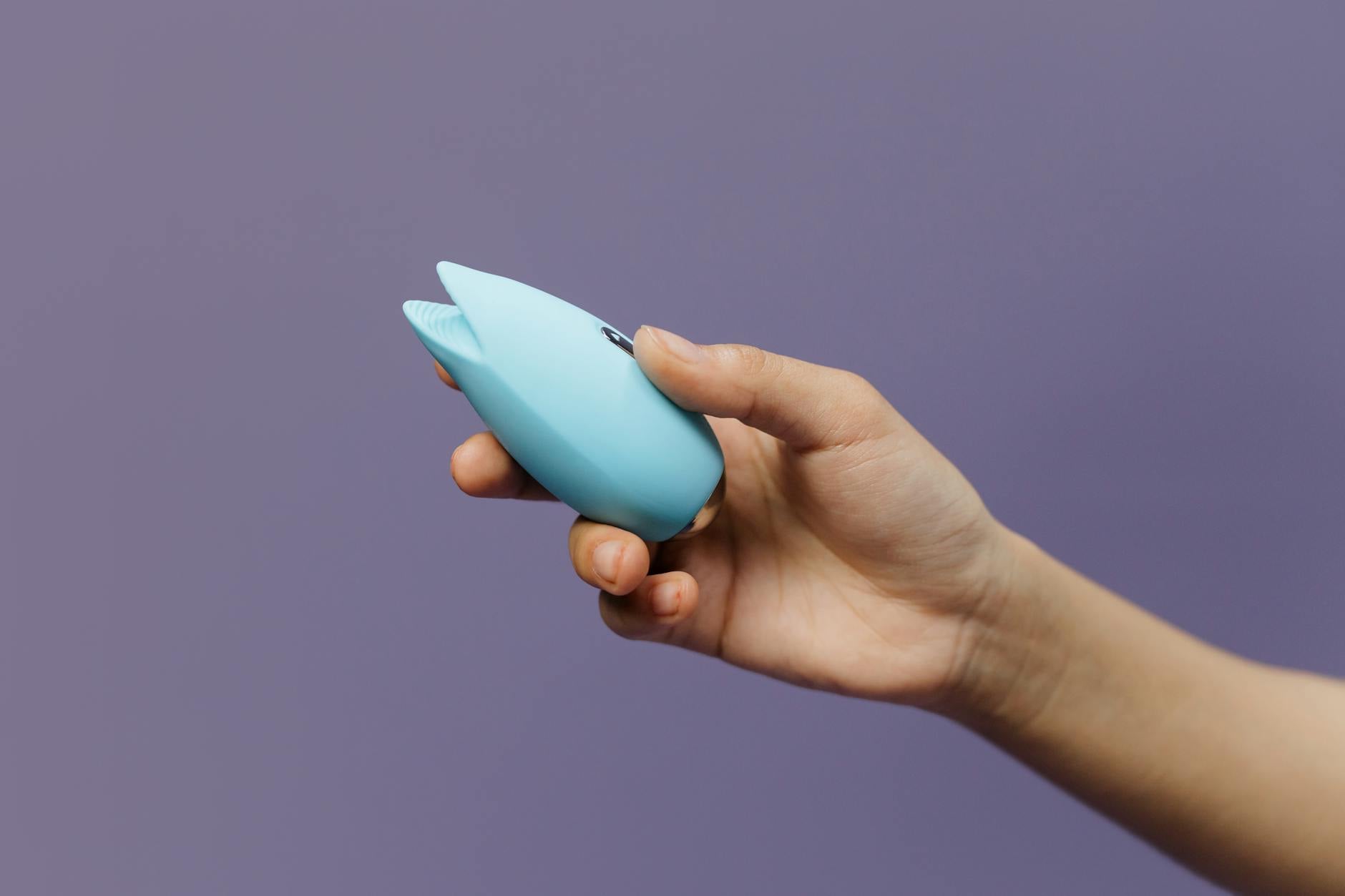
But your partner probably isn't thinking that way. They're thinking about us, about connection, about you being happy. When you introduce a clitoral vibrator like a lemon sucker or lem vibrator, you're not saying "I need this without you." You're saying "I want us to explore this together."
The difference is everything.
The setup: when and where matters
Don't bring this up during sex. Don't bring it up when either of you is stressed, tired, or distracted. And absolutely don't leave a clitoral vibrator on the nightstand as a hint.
Instead, pick a moment when you're both relaxed and clothed. A walk, a car ride, dinner after the kids are asleep. Somewhere conversation can flow naturally and neither of you feels trapped or put on the spot.
Timing matters because your partner needs space to process. They need to ask questions without feeling rushed. They need to know this isn't about a problem. It's about expansion.
What to say (the exact words)
You don't need a script, but you need a frame. Here's how I coach people through this:
"I've been thinking about something I want to explore with us, and I'm a little nervous bringing it up." Stop here. Let them ask what. This gives them control of the conversation.
"I've been curious about using a clitoral vibrator with you. Not instead of you. With you. I think it could feel really good for me, and I want to try it." This is direct. It's honest. It removes the guessing.
If they ask why, you can say: "I read about it. Lots of people use them. I'm curious about how it feels." You don't need to over-explain or justify. Curiosity is enough.
If they seem hesitant, ask what they're worried about. Nine times out of ten, the worry is not about the vibrator. It's about something else. They're worried they're not enough. They're worried about performance. They're worried you're unhappy. Let them say it. Then reassure them with truth: "I want this because I want more with you, not less."
The practical next steps
Once they've heard you, move to logistics.
"Would you want to try it soon? I found one I like." Don't show them twenty options. Have one picked out. Decision fatigue kills momentum.
If they say yes: "I'll order it. When it gets here, we can take our time with it. No pressure. We just try it out." This removes urgency. You're not demanding he incorporate it next weekend.
If they say they need to think about it: "That's totally fair. Let me know what you're thinking." And then actually let it drop. Don't bring it up again for at least a week.
If they say no: This is harder, but it's still workable. Ask what part feels uncomfortable. Is it the vibrator itself? Using toys in general? Something about the framing? How to use a lemon vibrator if your partner prefers not to be involved covers the path forward if this happens.
What partners are actually thinking
I talk to people in relationships constantly about this exact topic. Here's what the partner usually wants to know, in order:
- Is this about a problem with them?
- Will I have to do something different or weird?
- Do I have to be involved?
- Is this going to be awkward forever?
You can answer all four right now, in your head. "No, you. Sort of. You get to choose. Not if we're matter-of-fact about it."
The best partners respond well because the conversation takes the pressure off them. You're not expecting them to be an endless vibrator machine. You're inviting them into your pleasure, on your terms. Most people find that relieving.
The first time using it together
Don't orchestrate a scene. Don't light candles and announce that Tonight Is The Night. Just let it happen naturally.
When you're intimate, at a moment when things feel good, you can say: "Want to try the vibrator now?" Or they might say it. Either way, it should feel like one of a dozen possibilities you're exploring, not the main event.
Start with it in your own hand. Show them what feels good to you. This takes the performance pressure entirely off them. They get to watch, learn, and join in if they want. Some partners love being hands-on immediately. Others like to observe first. Both are fine.
If it feels amazing, great. Say so. "That's incredible." If it feels weird or underwhelming, that's also normal. You might need to find the right pattern, pressure, or moment. The lemon clitoral vibrator or lem vibrator has settings. You get to play with them.
If either of you feels awkward, acknowledge it out loud. "This feels a little weird, but in a good way." Humor diffuses everything. So does honesty.
When the conversation goes wrong
Sometimes partners respond badly. They get defensive. They say something that stings. This happens. It usually means they're scared, not that they don't love you.
If your partner says "I'm not enough for you," that's a wound talking. The response is: "You're not not enough. I want more pleasure, and I want to share it with you. Those are different things."
If they say "I thought you were happy," that's a confusion that needs untangling. "I am happy. I'm also curious. Those can both be true."
If they refuse and won't talk about why, that's a different conversation. That's about using a lemon vibrator with a partner when trust feels fragile. That might need a therapist.
But most partnerships don't land here. Most land in "Oh, I was worried about nothing. Let's try it."
The after: keeping it normal
Here's what kills the vibe long-term: treating the vibrator like a taboo thing that's only for Special Occasions.
You don't need to use the lemon vibrator every time. You don't need to announce it. You just leave it where your other intimate things live and use it when it makes sense. Sometimes your partner joins in. Sometimes you use it solo. Sometimes you both decide you're not feeling toys that night.
This is how it stops being weird. This is how it becomes just another part of your intimate life.
The conversation is the hard part. Everything after is just pleasure.
Frequently asked questions
What if my partner says they'll "try" it but seems uncomfortable?
That's a no. A real yes sounds like curiosity, not obligation. If they're uncomfortable, pushing forward turns it into something you did to them instead of with them. Drop it for now. The conversation can happen again in six months when they're ready. Pressure never works.
Should I tell my partner I've already researched clitoral vibrators before bringing one up?
Yes. Say "I've been reading about this" or "I looked into it." Honesty builds trust. Your partner might actually find it hot that you've been thinking about this. Don't pretend it just randomly occurred to you.
What if my partner wants to pick the vibrator themselves?
That's wonderful. It means they're invested. You can say "I like the lemon vibrator, but let's look together." Shared decision-making deepens buy-in.
Can I just leave information about a lemon sucker on their phone or pillow?
No. That's passive-aggressive communication masquerading as a hint. You'd be asking them to do emotional labor by decoding your indirect message. Talk to them directly.
What if they're into it and I feel like it's taking over our sex life?
Set a boundary. "I love this, but I also love us without it sometimes." You get to have preferences about how often toys come into play. That's just more of the same conversation.
How long should I wait before bringing this up again if they said no?
At least two months. Let them forget about the initial discomfort. When you bring it up again, lead with "I was thinking about our earlier conversation. I'm still curious. Can we talk about what felt scary for you?" This shows you're not pushing. You're inviting deeper honesty.
Introducing a lemon vibrator doesn't have to be complicated. It's a conversation about wanting more pleasure and more intimacy. Most partners will meet you there. The ones who don't usually have fears that go beyond the vibrator itself. Either way, you'll know where you stand. And that's worth the awkwardness of asking.