Let's start with what you're actually feeling
Numbness during sex is incredibly common, and it's also incredibly frustrating. You're doing everything you've done before. Your partner is being attentive. But the sensation feels like you're experiencing it through a wall of cotton. Nothing lands the way it used to.
Here's what I need you to know: you're not broken, and you're not imagining it. Numbness has real, physical roots.
Why sensation goes quiet
Sensation can flatten for a dozen different reasons. Stress shrinks your ability to feel pleasure. Certain medications (particularly SSRIs, antihistamines, and some blood pressure drugs) literally dull nerve sensation. Hormonal shifts thin the tissue and reduce blood flow. Dehydration affects everything from lubrication to neural response. Even chronic tension in your pelvic floor can create a kind of deadness, because the muscles are never fully relaxed enough to register stimulation clearly.
The common thread: conventional vibrators rely on direct mechanical friction or buzz to create sensation. When your nerves are already muted, that approach often doesn't cut through. You need something that works differently.
How air-suction technology bypasses numbness
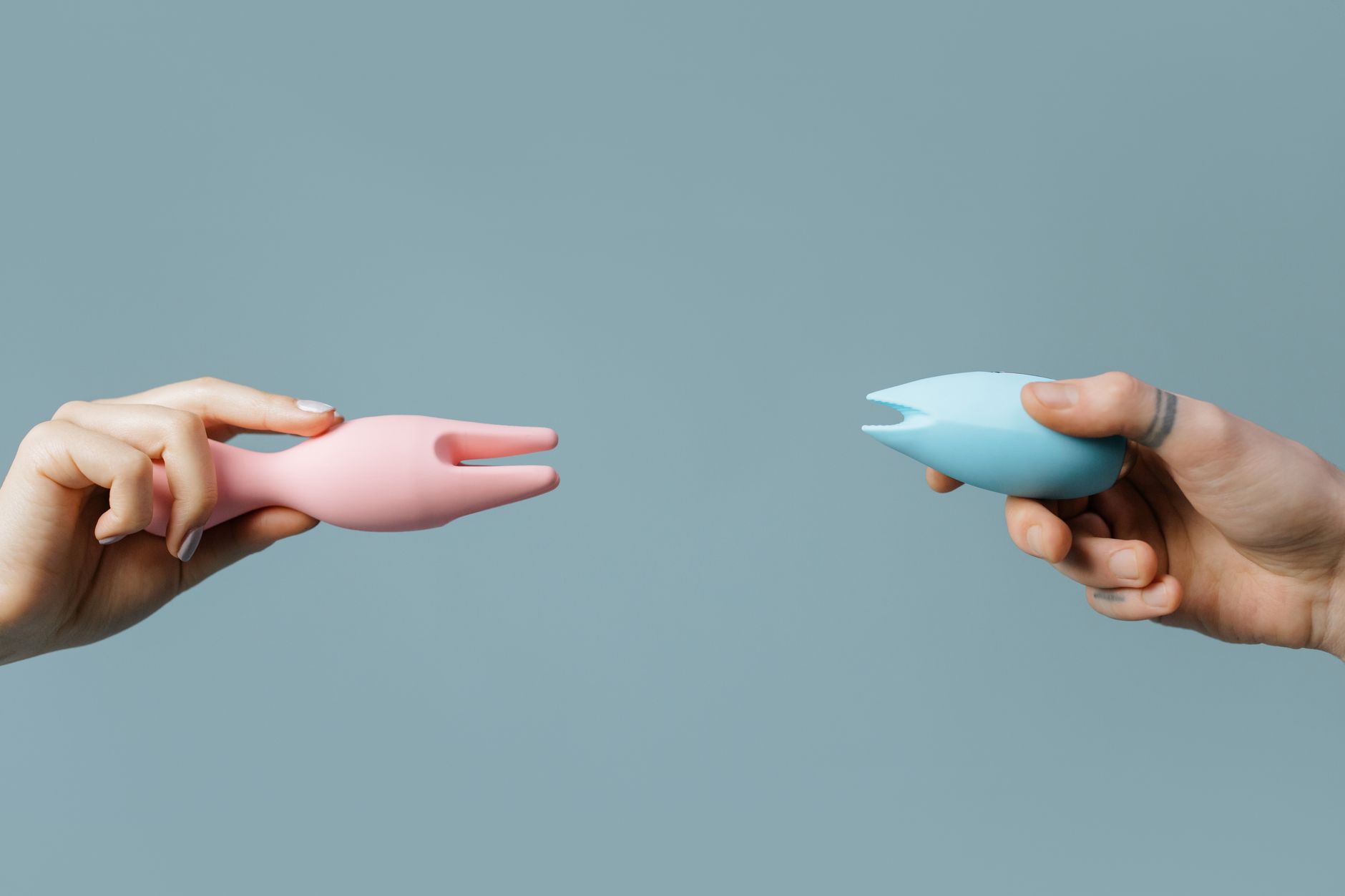
This is where lemon clitoral vibrators like the Lem work so differently from traditional vibrators. Instead of pressing or buzzing against tissue, air-suction creates a gentle vacuum pulse that stimulates a much larger area of nerve endings at once. It's not friction. It's a wave of pressure that travels deeper into the tissue and activates nerve clusters in a way that feels almost impossibly intense compared to what you were expecting.
When sensation is muted, this matters enormously. A regular vibrator needs you to feel it on the surface. Air-suction doesn't. It creates stimulation from underneath, which means even if your top layers of sensation are dulled, you can still feel it.
Many people describe the first time they use an air-suction lemon vibrator as a shock: "I forgot what real sensation felt like." That's not hyperbole. It's the difference between hearing music through a door and being in the room with the speaker.
The exact settings that work when you're numb
Start at the lowest setting. I know that sounds counterintuitive when numbness is the problem, but here's why: air-suction at setting 1 or 2 often feels more intense than a standard vibrator at setting 5, because it's a different kind of stimulation entirely. Your nervous system needs time to remember how to interpret the sensation.
Wait 2-3 minutes at the lowest setting before moving up. This gives your nerve endings time to wake up and start sending signals clearly. You're essentially teaching your body to feel again, and that takes a minute.
Then move up one setting every 2-3 minutes. Most people find their sweet spot somewhere between settings 3-6 on a lemon vibrator. The goal isn't maximum intensity. It's the setting where sensation feels crisp and clear, not overwhelming.
Building the warm-up that actually matters
When sensation is numb, a 30-second warm-up doesn't cut it. Give yourself 15-20 minutes. This isn't laziness or indulgence. Extended arousal increases blood flow to your pelvic area and literally thickens the tissue, which helps sensation register more clearly. It also gives your nervous system time to shift out of stress mode and into parasympathetic activation.
During this time, focus on touch that feels good but doesn't demand orgasm: your partner's hands on your skin, kissing, slow touch on your inner thighs and torso. Let your body gradually build arousal naturally. The goal isn't to get close to orgasm quickly. It's to create the physiological conditions where sensation becomes possible.
Then introduce the lemon vibrator when you already feel warm, present, and engaged. You're not using it to create arousal from zero. You're using it to amplify arousal that's already starting to build.
The positioning that cuts through numbness best
Direct clitoral contact often doesn't work well when sensation is muted, because the clitoris itself might be desensitized. Instead, try placing the lemon vibrator slightly off to one side of the clitoris, or on the surrounding tissue of the vulva. This spreads the stimulation across a wider nerve network and often feels clearer than direct contact.
Experiment with angle and pressure. Some people find that a slight angle (rather than perpendicular pressure) activates different nerve pathways and cuts through numbness better. You might discover that the sweet spot is millimeters away from where you'd expect it to be.
If even that feels muted, you can also use the lemon vibrator on other areas first: inner thighs, labia, the perineum. Build sensation there, let your nervous system remember what pleasure feels like, and then return to the clitoris when you've got momentum.
When to involve a partner, when to go solo
If numbness has been happening for a while, solo exploration often works faster than partnered sex. There's less performance pressure. You can take 25 minutes without worrying someone else is getting bored. You can focus entirely on what your own body needs instead of coordinating rhythm or managing someone else's pleasure.
Try 2-3 solo sessions with the lemon vibrator first. Let yourself get reacquainted with sensation without an audience, even an attentive and loving one.
Once you've remembered what pleasure can feel like, partnered sex becomes easier because you already know it's possible. Then your partner can learn what works for you by watching and asking questions, rather than both of you fumbling in the dark.
The mental part that amplifies everything
Numbness often comes with a psychological layer: frustration, shame, or disconnection from your body. These feelings literally make numbness worse, because anxiety and shame shrink parasympathetic activation, which means less blood flow, more tension, and more deadness.
When you're starting this process, your job is to get curious instead of critical. "What does this feel like?" instead of "Why can't I feel anything?" Curiosity activates a different part of your nervous system than judgment does.
Expect some sessions to feel better than others. Numbness isn't always consistent. Stress, sleep, hydration, where you are in your cycle if you menstruate: all of these shift how clearly you can feel. One session might feel vivid and the next one muted. That's normal. You're not regressing. You're just seeing how sensation varies.
When numbness points to something that needs attention
If numbness is brand new and came on suddenly alongside other symptoms (pain, unusual discharge, or systemic changes), see a doctor. Sometimes numbness is a sign of an infection, nerve compression, or a medication side effect that can be addressed quickly.
If numbness came on gradually and you're on psychiatric medications, talk to your prescriber about adjusting timing or dosage. Sometimes taking medication at night instead of morning, or switching to a formulation with a different side effect profile, changes everything.
If you've been under chronic stress or haven't slept well in months, numbness might resolve faster with basic nervous system care (sleep, movement, stress reduction) than with any tool.
FAQ
Can a lemon vibrator help if numbness is from anxiety or depression?
Partially. A lemon clitoral vibrator can help you experience sensation clearly enough that you remember pleasure is possible, which can shift the emotional spiral. But if numbness is connected to depression or anxiety, the vibrator isn't a substitute for addressing the underlying condition. Talk to a therapist or doctor about what's actually happening underneath.
How long does it usually take to feel sensation come back?
It varies wildly. Some people notice a difference in one session. Others take 3-4 sessions before numbness starts lifting. If nothing's changed after 2 weeks of regular use, something else is probably going on and it's worth investigating with a healthcare provider.
Will a lemon vibrator make me dependent on it for pleasure?
No. If anything, reconnecting with sensation through a lemon vibrator makes other forms of touch feel better too. You're teaching your nervous system that pleasure is possible. Once it remembers, that skill transfers.
Is numbness permanent?
Almost never. Numbness is usually a signal that something needs attention (medication adjustment, stress reduction, better sleep, addressing pelvic floor tension). Fix the root cause and sensation typically comes back. The lemon vibrator is a tool for bridging that gap.
Should I try a lemon vibrator before seeing a doctor about numbness?
You can try both at once. Seeing a doctor is never a bad call if something has shifted with your sensation. The lemon vibrator is a useful exploration tool while you're figuring out what's actually happening.
What if numbness is only happening on one side of my body?
That detail matters and you should mention it to a doctor. Asymmetrical numbness can sometimes point to nerve compression or other issues that benefit from professional attention. A lemon vibrator can still help with pleasure during that process, but asymmetry is worth investigating.
What comes next
Reconnecting with sensation takes patience. You're not rushing toward orgasm. You're remembering what pleasure feels like in your body. A lemon vibrator is a tool for that, not a magic fix. But it's a remarkably good tool because it works differently than everything else you've probably tried.
Start slow. Give yourself time. Be curious instead of critical. Your sensation probably isn't gone. It's just waiting for the right approach to wake it up again.
If you're struggling to move forward or have questions about what's happening with your body, reach out to Hello Nancy's team at /contact or talk to a healthcare provider who knows your full picture. You don't have to figure this out alone.