Let's start with what nobody tells you
If you can orgasm, recover, and go again within minutes (not hours), you're part of a smaller group than the culture pretends. Most sex advice assumes a long refractory period. The upside? You have access to pleasure patterns that a lot of people never get to explore. The downside? Using that gift badly can leave you exhausted, numb, or resentful instead of satisfied.
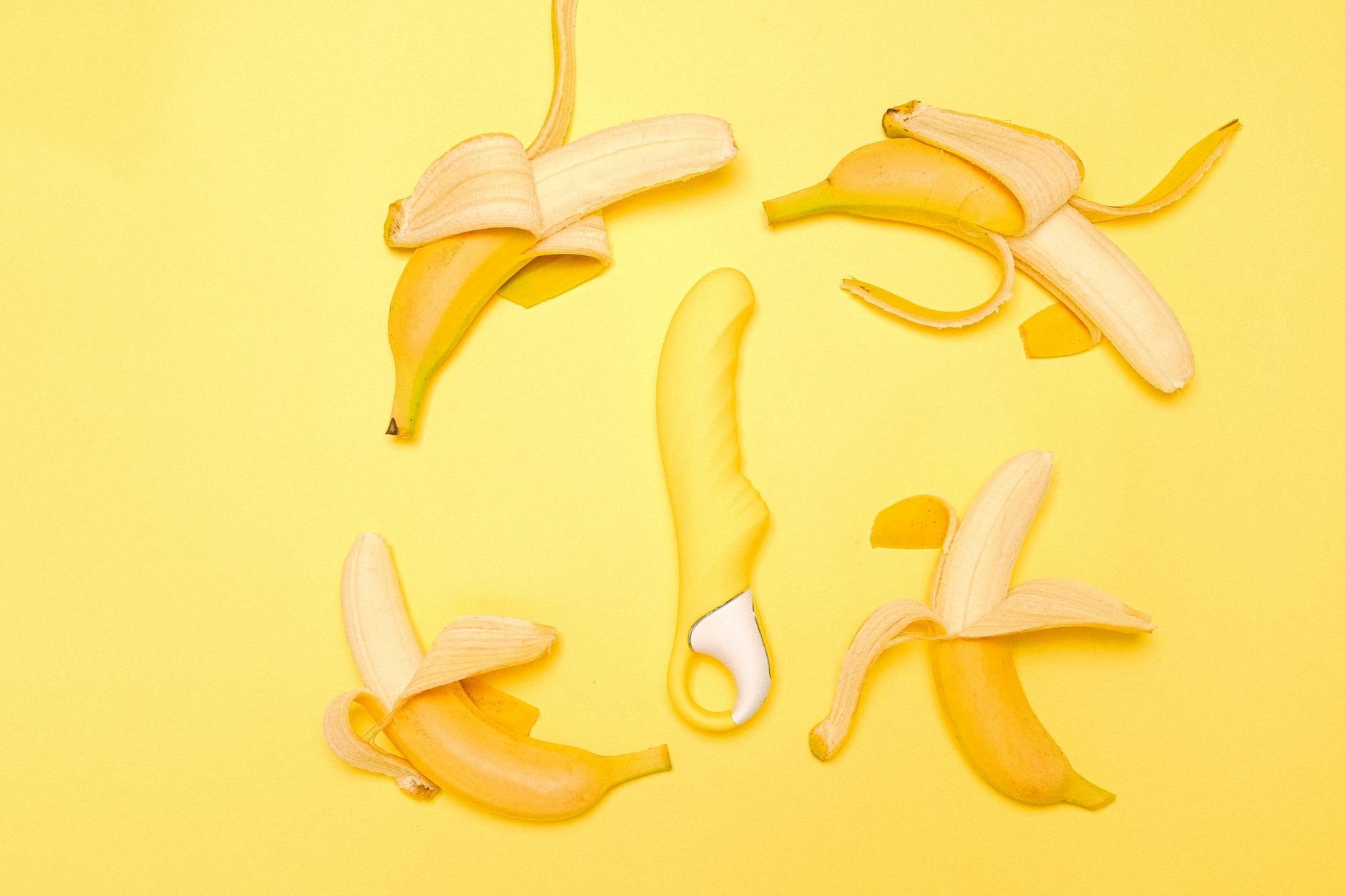
A lemon clitoral vibrator like the Lem changes things entirely for people with shorter refractory periods. The suction stimulation works differently than traditional vibration. Here's how to use it so you actually enjoy what your body can do.
Why shorter refractory periods feel like a puzzle
Refractory period is the recovery window between orgasm and when pleasure becomes accessible again. Shorter doesn't mean better, just different. The tricky part? The gap between "technically able to continue" and "actually wanting to." You might feel your body is ready while your attention, sensation, or desire is still catching up.
This mismatch leads to two bad patterns. Either people push through multiple orgasms in quick succession and end up overstimulated and sore, or they feel frustrated that they could go again but don't want to. The real skill is separating what's possible from what's pleasurable.
How the Lem works better for back-to-back sessions
Traditional vibrators apply consistent pressure. After an orgasm, that pressure often feels too intense, too direct. The Lem uses air-suction technology instead. It creates a gentle pulsing sensation around the clitoris rather than direct friction against the tip.
What does that mean in practice? Lower overstimulation. After your first orgasm, you can usually go straight into pattern 1 or 2 on the Lem without that raw, overly-sensitive feeling that makes you want to stop. The sensation is rhythmic but softer. This matters when you have minutes between rounds, not hours.
The game changer: stratified intensity
Instead of thinking "more orgasms equals better," think "orgasms with texture." Start your session at pattern 1 or 2. Let that build slowly. When you orgasm, you probably won't need recovery time. That's your signal to shift strategy, not intensity.
After your first orgasm, drop back to pattern 1 on the Lem. Keep it there for 3-5 minutes even though you could ramp up. Your nervous system will thank you. Then, if you want to continue, move to pattern 3 or 4 for your second round. This creates clear emotional and physical landmarks instead of one blurred 20-minute blur.
The difference shows up in how you feel after. Stratified intensity leaves you satisfied and warm. Monotone speed leaves you shattered.
Mental prep: treating multiple orgasms as a session design problem
Here's where most guidance fails: it treats multiple orgasms like a performance metric. More is better. Faster is hotter. Neither is true when your body recovers quickly. You need a framework instead.
Before you start, decide: how many distinct rounds do you actually want? Two? Three? One long extended one? Knowing the shape beforehand changes everything. You're not discovering pleasure. You're architecting it.
Then, between rounds, do something unglamorous. Breathe. Check in with your partner if there is one. Sip water. Step outside for 30 seconds. This isn't foreplay. It's a mental reset that separates "I can" from "I want." That separation is what keeps pleasure from turning into performance.
Partner dynamics when you recover fast
If your refractory period is shorter than your partner's, you face a timing mismatch. They might be ramping up while you're cooling down. The lemon clitoral vibrator solves this slightly differently than you'd think.
Instead of using it during partnered sex, many people with shorter refractory periods find it's better for solo rounds bookended around partnered time. Orgasm on your own terms with the Lem before you meet your partner, then be fully present with them without the pressure to keep performing multiple times. This shifts the dynamic from "we're not matching" to "we're taking turns being the focus."
It sounds less romantic. It actually deepens things because nobody's waiting for someone else to finish.
Physical care when you're going multiple rounds
Your body can handle frequent orgasms. Your tissues still need attention. Use water-based lubricant even if you don't feel dry. Repeated stimulation in short intervals can create micro-friction that lubricant prevents. After a multi-round session, give yourself a day or two before you repeat. Variety is genuinely better than frequency.
If you notice soreness, numbness, or desensitization, you've crossed your actual limit even if your refractory period is fast. The nervous system and the tissue have different recovery needs. Protect both.
The psychological piece people skip
Fast refractory periods can create this weird guilt. "I should be able to keep going, so why do I feel done?" Or the opposite: "If I can go again, why would I choose not to?" Both of those are trap questions.
Your body's capacity and your nervous system's desire operate independently. You can be physiologically ready and emotionally ready to stop. That's not a failure. That's wisdom. A lemon clitoral vibrator is a tool, not a mandate. Using it for two orgasms, one, or none is equally valid.
Practical session designs that actually work
Here are three templates I see work well:
The double take. First orgasm at pattern 2 on the Lem, 8-10 minutes. Full reset (5 minutes minimum). Second orgasm at pattern 3, different angle or approach. This creates psychological distinction and prevents numbness.
The extended single. One long session where you build from pattern 1 to 4 over 20-30 minutes. Some people with quick refractory periods actually prefer depth of sensation to quantity of orgasms. That's completely valid.
The trio. Three distinct rounds, each 6-8 minutes with 5-minute breaks. The third one usually feels markedly different from the first. That difference is interesting, not a problem.
None of these is "better." The best one is whichever feels most authentic to you.
When to seek professional input
If your short refractory period is paired with pain, numbness that doesn't reverse after rest, or a sense that your body is running away from you, talk to a gynecologist or sex therapist. Capacity without joy isn't health. A lemon sucker tool is useful for pleasure, not compensation for something that feels off internally.
If your partner's refractory period is significantly longer and it's creating resentment, a therapist who specializes in sexuality can help you design sessions that feel fair to both people. This is rarely about the tool. It's about mismatch in needs, and those are solvable with communication.
The honest finish
Having a short refractory period isn't a superpower. It's a variation. The lemon clitoral vibrator works well for people who have it because it doesn't punish the body's actual capacity. It softens stimulation between rounds so you can keep going only if you genuinely want to. That choice, that agency, is the real pleasure.
People also ask
How many times can you orgasm with a lemon vibrator before your body needs rest?
There's no magic number. Some people comfortably orgasm three to five times in one session with a lemon sucker. Others hit a wall after two. The Lem's suction technology reduces overstimulation compared to traditional vibrators, so you might go further than expected, but your personal limit is still your limit. Quality of sensation matters more than quantity. If sensation starts feeling numb or you feel physically sore, that's your signal to stop, regardless of how many times you've orgasmed.
Is it bad to have multiple orgasms in a short timeframe?
No, if your body recovers quickly and you're comfortable. It's only problematic if you're pushing past discomfort, creating soreness, or treating it like a performance metric. The issue is rarely the behavior itself, it's the mindset. If you're going multiple rounds because you genuinely want to and feel good after, that's fine. If you're going multiple rounds because you feel obligated to use your capacity, that's when it becomes a problem worth examining.
Can using a clitoral vibrator frequently damage sensitivity?
Frequent use can cause temporary numbness if you're not taking rest days. The lemon vibrator's suction approach is gentler on tissue than direct vibration, which helps. But your nervous system still needs recovery time. If you're using the Lem daily, you might notice declining sensation. Scaling back to three to four times per week usually restores normal responsiveness within a week or two. If numbness persists beyond that, see a healthcare provider.
What's the difference between having a short refractory period and being hypersexual?
Refractory period is purely physiological recovery time. Hypersexuality is a behavioral pattern where sexual thoughts or activity feel compulsive, intrusive, or out of alignment with your values. You can have a short refractory period and be completely relaxed about sex. You can also have a normal refractory period and struggle with compulsive sexual thoughts. They're separate things. If you're worried your sexual drive feels out of control, that's worth discussing with a therapist. Short refractory period alone is just biology.
Should I use the Lem differently if my partner and I have mismatched refractory periods?
Absolutely. Many couples find it helps to separate solo pleasure from partnered time. You might use a lemon clitoral vibrator for your own satisfaction beforehand, so you're not chasing multiple orgasms during sex with your partner. Or use it after, as a way to satisfy your own capacity without putting pressure on your partner to match your timing. The tool becomes less about performance and more about honoring two different bodies. That shift usually reduces frustration significantly.
Is it normal to feel emotionally depleted after multiple orgasms?
Yes. The body chemistry after multiple orgasms is different than after one. You might feel drained even though you weren't physically exhausted. That's partly hormonal (prolactin rises) and partly neurological. It's not a sign anything is wrong. It's information about your actual satiation point. If you consistently feel emotionally flattened after three orgasms but satisfied after two, that's your body telling you something. Listen to it. The lemon vibrator doesn't change this, but understanding it helps you design sessions that leave you feeling good rather than hollowed out.
Your pleasure deserves intention, not just capacity. A lemon vibrator is a precision tool for people whose bodies recover quickly. Use it to explore what actually feels good, not what should feel good. That distinction changes everything.