The thing nobody warns you about
Year one, sex is everywhere. Year three, it's still pretty frequent. Year seven? You're looking at your partner and feeling... nothing. Not anger. Not resentment (well, maybe a little). Just flatness. Absence. The kind of libido that doesn't feel broken so much as absent, like it packed a suitcase and left without saying goodbye.
This isn't dysfunction. It's not even uncommon. It's what happens when the novelty wears off, when life gets heavy, when you've seen someone's worst mood before breakfast too many times. The neurochemistry that powered early desire (dopamine, norepinephrine, the whole intoxicated cocktail) settles into something calmer and more stable. Which is great for the relationship. It's terrible for the sex life.
What's actually happening in your brain and body
Long-term couples hit what researchers call the "familiar partner effect." Your brain stops treating your partner as novel stimuli. That's neurologically efficient. It's also sexually efficient at eroding desire. Familiarity breeds not contempt, exactly, but neural adaptation. You stop noticing them the way you once did.
At the same time, relationship stress accumulates silently. Work bleeds into home life. Kids, aging parents, financial worry. The mental load of maintaining a household and a partnership chunks away at desire. Women, particularly, often carry disproportionate cognitive load. It's hard to want sex when you're mentally cataloging unpaid bills and who forgot to buy milk again.
Then there's the feedback loop. Less sex means less oxytocin, the bonding hormone released during orgasm. Less bonding hormone can mean less emotional closeness, which then makes sex feel less appealing. You end up in a downward spiral where the lack of desire creates conditions that make desire even harder to access.
Here's what matters: this isn't your fault. It's not a failure. It's a predictable, neurobiological pattern that happens in most long-term couples.
Why a lemon vibrator changes the equation
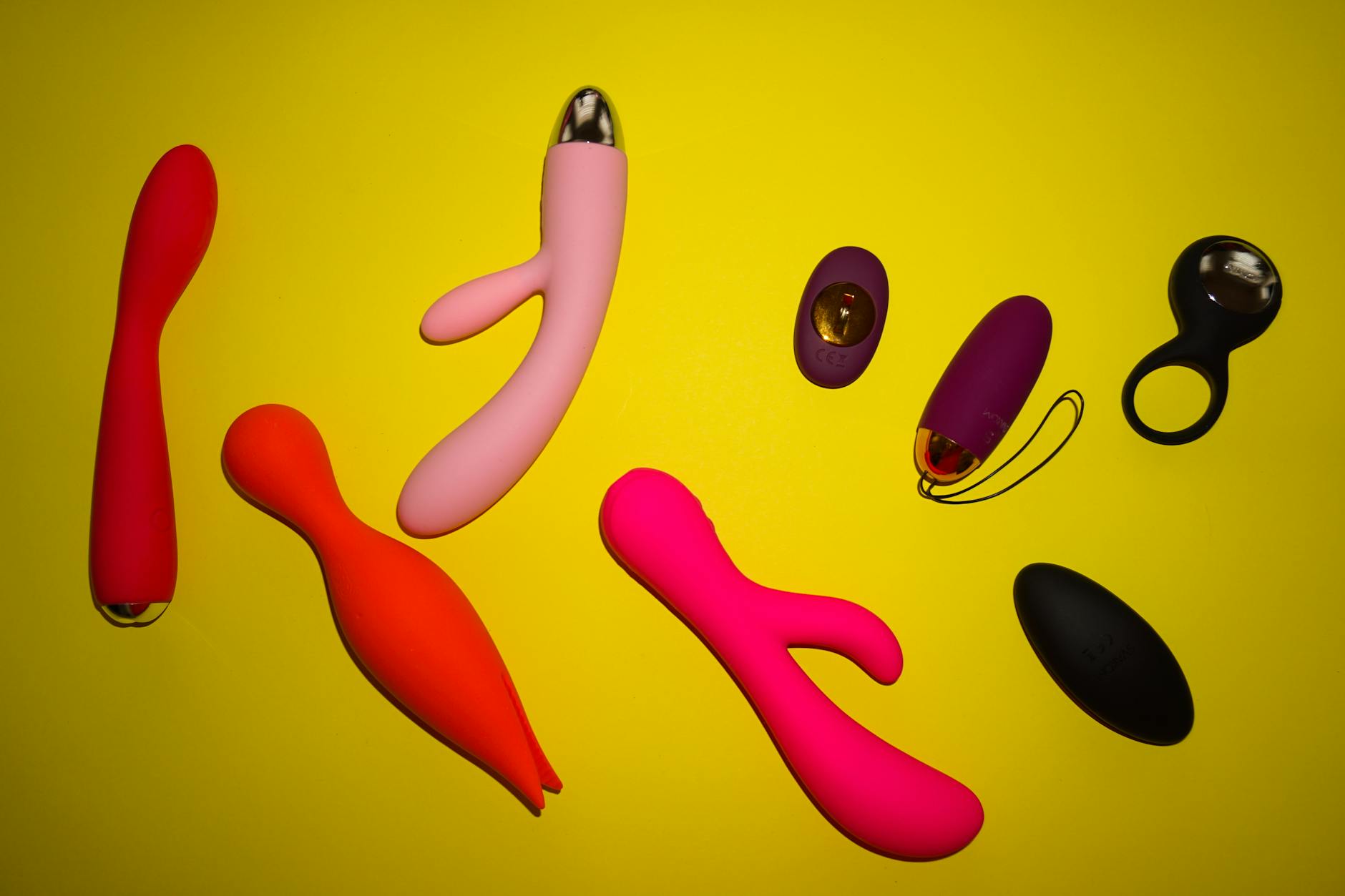
A clitoral vibrator like the Lem does something a partner alone often can't right now: it bypasses the boredom. It introduces a form of stimulation that feels genuinely novel to your nervous system, even though it's coming from someone you've known for a decade.
The suction mechanism of a lemon clitoral vibrator is particularly useful here because it offers a sensation that's different from manual stimulation. It's focused, consistent, and doesn't require your partner to maintain rhythm or pressure. That matters because it means your partner can focus on you, on connection, instead of on "am I doing this right."
There's also something psychological happening. Bringing a tool into the bedroom is a statement. It says you're willing to try something new. It signals that desire matters enough to you both to explore it, even when it feels absent. That intentionality itself can rekindle things.
Starting the conversation without the dread
Most couples don't bring up low libido because the conversation feels loaded. It can sound like "you're not attractive to me anymore" or "something is wrong with us." It doesn't have to.
The frame that works is this: "I miss this part of us. I want to figure out how to make it feel good again. Would you be open to trying something together?"
That's different from "we never have sex anymore" or "I don't want you anymore." One is collaborative. The other is accusatory.
If your partner seems hesitant, lean into curiosity rather than persuasion. "What would make this feel fun to you?" or "What would need to be different for this to feel worth your time?" Most couples aren't avoiding sex because they're hostile. They're avoiding it because they feel awkward, out of practice, or unsure how to reignite something that's been dormant.
How to actually use it when desire feels absent
Start small. Bring the Lem into foreplay, not as the main event. This isn't about performance. It's about novelty and sensation.
Begin at low intensity. Something labeled pattern 1 or 2. The goal right now isn't necessarily orgasm. It's to wake up sensation, to remind your body what pleasure feels like. A lot of people who've been in low-libido phases are actually touch-starved. The vibration can bridge that gap.
Have your partner present. Even if they're just holding you or watching. The eye contact, the physical proximity, the shared focus on your pleasure. That's where the reconnection happens. This isn't about solo exploration. It's about rebuilding intimacy.
Budget time for warm-up. If desire has been absent, your body might need 15 to 25 minutes just to feel interested. That's normal. Don't rush it. The old patterns of "quickie" sex don't work when you're trying to rebuild from flatness.
Use lubrication. Even if you don't think you need it, use it anyway. It reduces friction, allows for longer sessions without discomfort, and it removes one variable that might feel like friction (pun somewhat intended).
The emotional recalibration that matters more
Here's something that doesn't get talked about enough: couples who've hit a dead spot sexually often need to address what's happening outside the bedroom before anything inside it will shift.
If resentment is building (they never help with housework, they're emotionally unavailable, they've become controlling), no vibrator is going to fix that. You're addressing a symptom, not a cause.
Before or alongside bringing tools into the bedroom, consider whether there's something in the relationship that needs direct conversation. I'm not saying you need to solve everything first. But if you're consistently feeling unseen, undervalued, or unheard, that's going to live in your body as a lack of desire.
For some couples, the introduction of something like a lemon clitoral vibrator gives them permission to talk about pleasure and desire in a more honest way. It de-pathologizes the conversation. Instead of "something is broken," it becomes "let's explore." That shift can open doors.
When libido is also tangled with other things
If you've been in a long-term relationship and desire has completely vanished, it's worth considering whether something else is at play. Antidepressants, hormonal changes, unprocessed trauma, undiagnosed ADHD. Low libido is often a symptom pointing to something else.
A vibrator can help you access pleasure and sensation even when those other factors are present. But it can't replace actual support if you need it. If you're depressed, get treatment. If your hormones have shifted, see a doctor. If your relationship has hit a wall, consider therapy.
What a lemon sexual toy can do is give you a bridge back to your body when everything else feels overwhelming. It can help you remember that pleasure is possible, that desire isn't permanently gone, just dormant.
The practical stuff: setup and comfort
Clear the space of distractions. Phones on silent or in another room. Kids asleep or with childcare. This isn't about being prudish. It's about giving your nervous system permission to relax. You can't access desire if part of your brain is listening for someone to need you.
Set a mood that feels genuine to you both. Some couples need candles and music. Others just need the door locked and the assurance of privacy. Don't follow rules about what's sexy. Follow what helps you both feel present.
Talk about pressure. Explicitly. "We're not doing this to hit a specific outcome. We're just trying something that feels good." That removes the performance component, which is often what's killed desire in the first place.
If it doesn't work the first time, that's fine. You're rebuilding pathways. It takes time. Three or four attempts before something shifts is completely normal. Expect that. Plan for it.
When to see someone
If after consistent, genuine effort over several weeks or months, desire isn't shifting, it's worth talking to someone trained in couples work or sex therapy. Not because something is wrong with you. But because sometimes the pattern is too entrenched to break alone, and you deserve support.
Similarly, if you're feeling a deep absence of desire even when alone, that might point to depression or a hormonal issue that needs clinical attention. A vibrator is a tool for pleasure. It's not a treatment for depression.
What a lemon clitoral vibrator can do is remind you both that pleasure is still possible, that your bodies can still surprise each other, that desire doesn't have to be automatic to be real. And sometimes that reminder is enough to shift things.
FAQ
Can a vibrator actually fix a dead sex life in a long-term relationship?
A vibrator can't fix what's broken in the relationship itself. But it can interrupt the flatness, introduce novelty, and create space for reconnection. If the relationship is solid but desire has just eroded, a lemon clitoral vibrator can help rebuild physical pleasure. If the relationship has deeper issues, the vibrator helps with one part of the picture, not the whole thing.
What if my partner feels threatened by me using a vibrator?
This often comes from insecurity or misunderstanding. Reassure them that you're inviting them into this, not replacing them. A clitoral vibrator isn't competition. It's a tool that can make the experience better for both of you. If they remain resistant after honest conversation, that might point to something worth exploring in couples therapy.
Is it normal to feel nothing at first when using a vibrator after years of low libido?
Completely normal. Your body has been in a low-arousal state for a while. Sensation takes time to wake up. Start with lower intensities, spend more time in foreplay, and don't aim for orgasm on the first few tries. You're retraining your nervous system, not performing.
How do I know if my low libido is relationship stuff versus hormonal or medical?
If your libido is absent in all contexts (alone, with a partner, in fantasy), it's more likely medical or mental health related. If it's specifically absent with your partner but intact alone, it's likely relational or circumstantial. If you're uncertain, see a doctor and a therapist. Both conversations matter.
Can we use a lemon vibrator without it feeling clinical or weird?
Yes. Start by making it part of foreplay rather than the main event. Keep it light. Laugh if something feels awkward. The weirdness usually fades after the first or second time. You're both rediscovering pleasure together. That's worth a little awkwardness.
What if we try this and it doesn't help?
If sustained effort over weeks doesn't shift things, the low libido might be pointing to something deeper in the relationship or within yourself. That's information. It means you might benefit from couples therapy, individual therapy, or a medical evaluation. A vibrator is one tool. Sometimes you need multiple approaches.