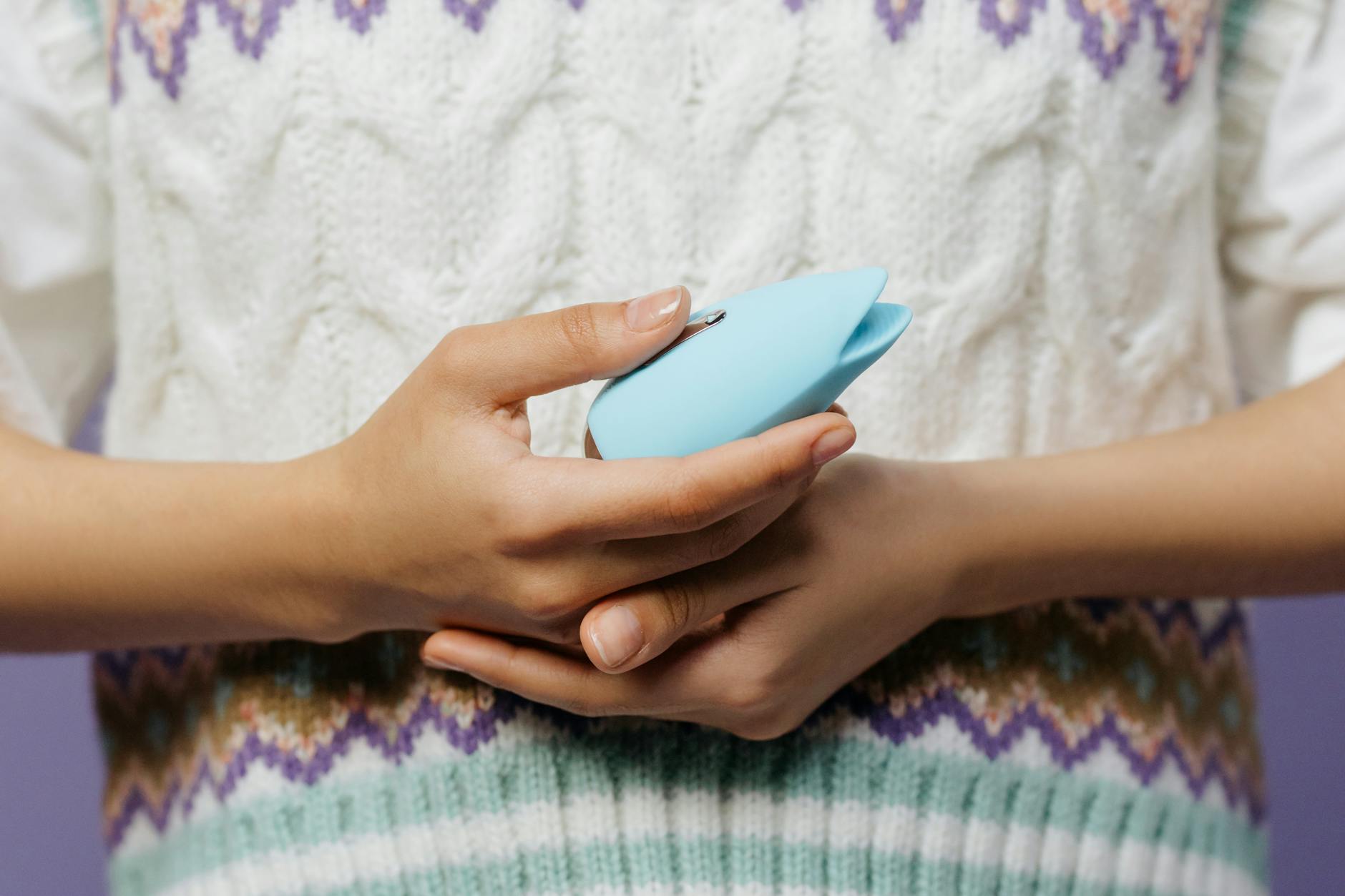
How to Use a Lemon Vibrator When Nervous System Dysregulation Blocks Arousal
Let's be real. Your nervous system runs the show when it comes to arousal. Not your partner. Not your willpower. Your nervous system.
When you're stuck in chronic stress, trauma recovery, or even just the lingering activation of a really difficult relationship, your body isn't withholding pleasure to punish you. It's doing exactly what it's designed to do: prioritize safety over sensation. And that means desire flatlines.
Here's what's happening physiologically, and why a clitoral vibrator like the Lem becomes such a powerful tool for rewiring the connection between safety and arousal.
What nervous system dysregulation actually does to desire
Your nervous system has three basic states: parasympathetic (rest, digest, arousal), sympathetic (fight or flight), and dorsal vagal (shutdown, freeze). Arousal lives exclusively in the parasympathetic zone. You can't access it from anywhere else.
When you're dysregulated, you're camping out in sympathetic or dorsal vagal. Your body is scanning for threats. Your breath is shallow. Your muscles are braced. Your clitoris? Basically offline. It's not numb, exactly. It's just not receiving the neural signal that says it's safe to be receptive.
Trauma survivors know this intimately. So do people managing chronic stress, untreated anxiety, or the aftermath of emotional betrayal. The desire is still there somewhere, buried under layers of hypervigilance.
What makes a lemon vibrator different from other tools is the intensity and precision of the sensation. The suction-based stimulation of a device like the Lem doesn't require your nervous system to be primed first. It actually initiates the shift into parasympathetic activation through sensation itself.
Why sensation can reset your nervous system faster than talk therapy
Here's the thing about nervous system work. Talking about safety doesn't create safety. Your nervous system doesn't understand language. It understands physical markers of threat and non-threat. Temperature, texture, pressure, rhythm, predictability.
When you use a lemon clitoral vibrator mindfully, you're not just pursuing an orgasm. You're literally re-educating your nervous system about what pleasure feels like when you're present.
The suction mechanism works particularly well for dysregulated bodies because it's different from the friction-based stimulation most people grow up expecting. It's less intense initially, easier to control, and the sensation is more localized. Your nervous system has space to say, "Okay, this is happening. I'm not in danger. This is actually good."
Many of my clients describe the shift as surprisingly quick. Not instant, but within three or four sessions, the body begins to associate the sensation with safety rather than pressure to perform.
The three-phase rewiring protocol with a lemon vibrator
I recommend a specific approach for clients whose arousal is blocked by dysregulation. Think of it as nervous system training with pleasure as the vehicle.
Phase One: Sensation Without Expectation (Week 1-2)
Don't aim for an orgasm. That's still goal-oriented, and goal-orientation activates the sympathetic nervous system. Instead, set a timer for 10-15 minutes and explore sensation with curiosity, not ambition.
Start on the lowest setting. The Lem has multiple patterns. Begin with the gentlest one. Your job is to notice: What does this feel like? Is it pleasant? Uncomfortable? Neutral? Can I breathe?
Breathing is non-negotiable. Shallow breath signals threat. Your nervous system reads it as danger. If you catch yourself holding your breath, pause. Breathe. Return.
Do this three times a week, ideally in a safe, private space where you genuinely won't be interrupted. Your nervous system needs to believe you're protected.
Phase Two: Building Tolerance and Presence (Week 3-4)
Once the first two weeks feel easy and your body has stopped tensing during the sensation, you can increase intensity slightly. Move to pattern 2 or 3. Extend the time to 15-20 minutes.
The shift from Phase One to Phase Two is about your nervous system saying, "I trust this." Don't rush it. If at any point you feel yourself slipping back into dysregulation (heart racing, breath shortening, mind spinning), dial back immediately. There's no timeline here.
This is where internal sensations start to shift. You might notice warmth, tingling, or a sense of anticipation that's new. These are signs your parasympathetic nervous system is waking up.
Phase Three: Integrating Pleasure With Presence (Week 5+)
By the time you reach Phase Three, your body has learned that this sensation equals safety. Arousal will likely follow. Orgasms may happen, or they may not. The goal is no longer relevant because your nervous system has fundamentally shifted its relationship to pleasure.
Many people find they naturally gravitate toward longer, slower sessions at this point. Some explore partnered use. Some discover they're now capable of arousal in other contexts too. The rewiring generalized.
Why partners need to understand the difference between your dysregulation and their desirability
If you're working through this with a partner, this conversation matters. A lot.
Dysregulation is not a commentary on desire for them. It's a nervous system state. A partner who's loved can still have a dysregulated nervous system that can't access arousal. These are completely separate systems running in parallel.
The best thing a partner can do is understand that your solo work with a lemon vibrator isn't an alternative to them. It's preparation for them. You're teaching your body to re-enter the parasympathetic zone, and that skill transfers everywhere.
If you're comfortable sharing, you might say something like, "I'm rebuilding my capacity for arousal after some difficult things. When I'm working on this solo, I'm actually training my nervous system to feel safer. That safety transfers to us." Most partners appreciate transparency far more than guessing.
The role of external factors in your rewiring
Using a lemon clitoral vibrator can't override systemic stress. If you're in an actively threatening relationship, your nervous system is doing the right thing by keeping arousal offline. If you're under chronic sleep deprivation, a clitoral vibrator won't fix what sleep deprivation breaks.
The rewiring works best when your external life is moving toward safety. That might mean therapy, boundary-setting, medication adjustment, schedule changes, or separation. The Lem is a tool. It's not a substitute for the structural changes your nervous system actually needs.
Similarly, if you're in active trauma processing with a therapist, let them know you're using a lemon vibrator as part of your nervous system recovery. Some modalities (particularly somatic experiencing or polyvagal-informed therapy) will integrate this beautifully. Others might have specific timing suggestions.
When dysregulation is too active for solo work
If you try Phase One and your body is still in fight-or-flight the entire time, that's useful information. It means your nervous system needs additional support before a clitoral vibrator becomes useful.
Talk to a therapist trained in somatic work, polyvagal theory, or trauma-informed practice. They can help you access the parasympathetic zone first. Once you're capable of settling, the Lem becomes a powerful tool for reinforcing that settled state.
You're not broken. Your nervous system is doing exactly what it learned to do. Rewiring takes time and consistency, but it's entirely possible.
The pleasure dividend that comes after rewiring
Here's what I see happen consistently. Once clients move through this protocol and their nervous system has genuinely shifted, something unexpected occurs. Pleasure becomes not just accessible but actually easy. Desire returns not just to partnered contexts but to life itself.
Some describe it as reclaiming their body. Others talk about finally understanding what the fuss was about. Many say their most satisfying sexual experiences arrive after this rewiring work, because they're actually present for them.
A lemon clitoral vibrator won't solve dysregulation alone. But paired with nervous system awareness, intentional practice, and genuine safety in your environment, it becomes a bridge back to arousal that feels earned and grounded.
People also ask
Can nervous system dysregulation be reversed with just a vibrator?
Not alone. A clitoral vibrator is a tool for reinforcing nervous system shifts that are already happening through other work. Therapy, sleep, safe relationships, and sometimes medication create the foundation. The Lem helps you practice parasympathetic activation and build new neural pathways around pleasure and safety. Think of it as the consistent practice that makes the bigger changes stick.
How long does it take to rewire arousal after trauma?
It depends on the severity and complexity of the trauma and what other support you're receiving. Some people see shifts in 6-8 weeks. Others take several months. The three-phase protocol I described is a minimum of 4-5 weeks, but many people benefit from extending each phase longer. Your nervous system tells you when it's ready to progress. Listen to it.
Is there a risk of using a vibrator when dysregulated making things worse?
Yes, if the approach is goal-oriented or pressured. That's why Phase One emphasizes curiosity without expectation. If you approach the Lem as "I must orgasm to fix this," you're still activating sympathetic nervous system patterns. If you approach it as "I'm practicing feeling safe in my body," the outcome is usually positive. The difference is subtle but neurologically significant.
Can a partner help during this rewiring process?
Sometimes. If your partner understands that their job is to create safety, not to fix your arousal, they can be genuinely helpful. Partnered use can come later, once your solo rewiring is solid. For now, the most useful thing a partner can do is respect your process, maintain their own nervous system health, and avoid pressure. You're not rejecting them. You're reclaiming your capacity for pleasure.
What if dysregulation comes back after things improve?
It will, sometimes. Stress, seasonal changes, relationship shifts, and life events can all trigger temporary nervous system dysregulation. The difference is you now have a protocol for moving through it. Return to Phase One. Rebuild. Progress again. You're not starting over. You're maintaining what you've learned. Consider your lemon clitoral vibrator a tool for that maintenance.
Should I tell my therapist I'm using a vibrator for nervous system work?
Absolutely. A good therapist will see this as part of your healing toolkit. Some will have specific guidance based on your particular trauma or nervous system state. If your therapist responds with judgment or discomfort, that's useful information about whether they're the right fit for somatic or sexual healing work.
For support navigating this journey and exploring how pleasure and safety intersect in your unique situation, reach out to Hello Nancy. You deserve pleasure that feels genuinely safe.