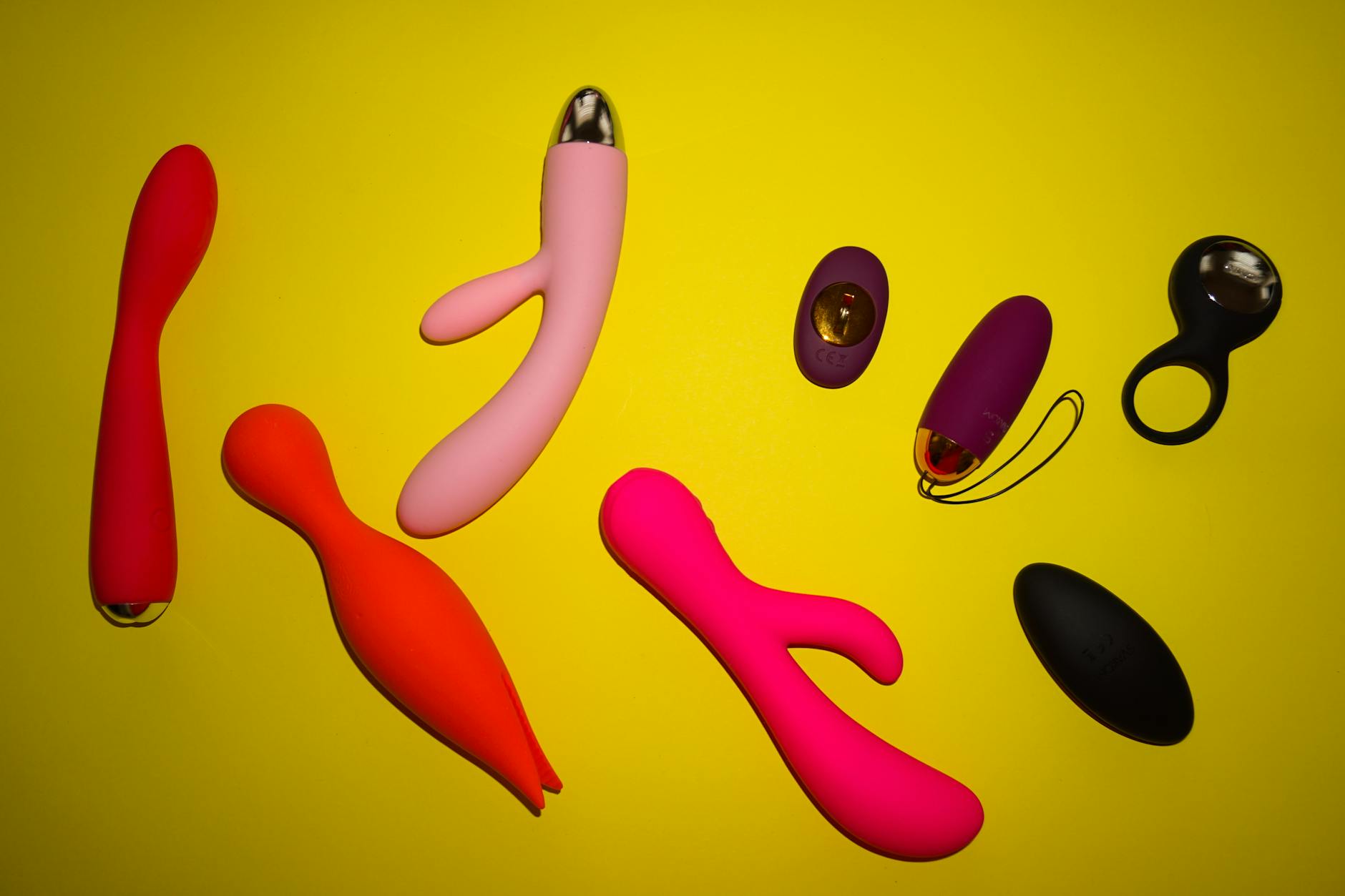
Let's start with what nobody says out loud
A sexless relationship doesn't mean you stop needing pleasure. It means you've stopped receiving it from the person you're with, and over time, you stop asking for it from yourself too. That's the real trap. Not the absence of sex with a partner, but the absence of touch, wanting, and physical sensation altogether.
Here's what I see in my office: couples who haven't had sex in months or years, and one partner (often the one being turned down repeatedly) has completely disconnected from their own arousal. They've learned to kill the desire before it arrives. Using a lemon vibrator, or any clitoral vibrator, in this situation isn't about replacing your partner. It's about remembering that your body still belongs to you.
Why pleasure matters when intimacy has stopped
When you're in a sexless relationship, your nervous system is in a particular state: vigilant, waiting, mildly rejected. Your brain learns that desire leads to disappointment, so it stops sending the signal. You might not even realize it's happening until someone asks when you last felt genuinely turned on, and you can't remember.
Reclaiming pleasure solo does three things simultaneously:
First, it rewires the nervous system. Regular orgasms (whether with a partner or alone) regulate cortisol and increase oxytocin, which is the neurochemical of bonding and trust. When you're in a disconnected relationship, your oxytocin is bottomed out. Solo pleasure can begin to restore it.
Second, it reminds you that your pleasure is valid. In a sexless dynamic, it's easy to internalize that your body's wants are inconvenient or unwanted. Using a lemon vibrator deliberately says the opposite: you matter, your pleasure matters, and you're worth the time.
Third, it breaks the waiting pattern. Many people in sexless relationships have stopped initiating because rejection became too painful. Using a vibrator means you're not waiting anymore. You're taking action on your own behalf.
How to start when you've been disconnected for a long time
If your body has been in dormancy, waking it up slowly is key. A lemon clitoral vibrator is ideal for this because the suction mechanism feels gentler and more diffuse than direct vibration. It doesn't require the same kind of intensity to create pleasure.
Start with these steps:
Pick a time when you're alone and unhurried. Not late at night when you're exhausted. Not when your partner is in the next room and you're anxious about being discovered. Pick a morning, an afternoon, whatever feels genuinely private. Set a timer if that helps. Give yourself 20 minutes.
Touch your body first without the toy. Seriously. Spend five minutes just noticing what feels good. Your inner arm, your neck, your breasts, your thighs. You're not trying to get aroused yet. You're just building awareness of sensation. Many people in long-term disconnected relationships have lost touch with this entirely.
Start the lem vibrator on the lowest setting. Don't go for intensity. The lowest pattern is often exactly what you need. The suction feeling can take some getting used to if you've only used traditional vibrators before. Some people find it feels more like oral sex. Others find it feels like a gentle pulse. Both are fine. There's no "wrong" sensation.
Don't expect an orgasm on day one. Or week one. Your body might need several sessions before it remembers how to respond. That's not a failure. That's healing.
The emotional part (which actually matters more)
Let's be honest: if you're in a sexless relationship, using a vibrator alone while your partner is in your home might feel like it carries a lot of emotional weight. Guilt, shame, secrecy, defiance. All of it can show up.
Here's what I recommend: notice what shows up without judgment. If you feel guilty, that's information about what you've internalized about your own pleasure. If you feel defiant, that's information about resentment that probably needs conversation. If you feel neutral or good, that's also information. All of it is valid data.
The goal isn't to use a lemon vibrator in secret forever. The goal is to restore your relationship with your own body so that you're operating from a place of wholeness, not neediness. That's actually what makes difficult conversations with your partner possible. When you're not in a constant state of rejection, you can talk about it more clearly.
What this might open up
Sometimes, when one partner starts using a vibrator and reconnecting to pleasure, the other partner becomes interested. Sometimes they don't. Both outcomes are information. If your partner becomes interested and wants to explore together, that's a potential doorway back to shared intimacy. If they don't, that's also information about the state of your relationship.
Using a lemon vibrator isn't a solution to a sexless relationship. It's not going to fix the underlying issue that caused the disconnection. But it does do something crucial: it removes you from the position of waiting and puts you back in the position of agency. That shift changes everything about how you approach the rest of the relationship.
When you need more support
If you've been in a sexless relationship for years, individual therapy alongside couples work can be enormously helpful. Sometimes the issue is medical (hormone changes, medication side effects, underlying health conditions). Sometimes it's psychological (depression, anxiety, trauma). Sometimes it's relational (loss of attraction, resentment, disconnection that's run too deep).
None of that is solved by a vibrator alone. But reconnecting to your own pleasure creates the foundation from which real conversations can happen. You're no longer operating from a place of desperation. You're operating from a place of self-care. That shift in your nervous system and your posture in the relationship is actually the thing that opens doors.
The practical stuff
A lemon vibrator is genuinely easy to use solo. It's waterproof, so you can use it in the shower for extra privacy if you need it. The battery lasts through multiple sessions. And the suction design means you can use it with or without lubrication, though a little water-based lube can make it feel even better.
Start slow. Use it consistently, maybe two or three times a week. Notice what you like. Notice what your body is telling you. Over time, desire often returns not because anything external has changed, but because you've stopped punishing yourself for having wants.
Your pleasure matters. Even in a sexless relationship. Especially in one.
People also ask
Can using a vibrator alone make a sexless relationship worse?
Not on its own. The thing that makes relationships worse is unaddressed disconnection and the resentment that builds from it. Using a vibrator solo is actually moving toward addressing that disconnection because you're reconnecting to yourself. Where it can become complicated is if you're using it as a substitute for having the hard conversation your relationship actually needs. The vibrator is a band-aid and a bridge. It's not a permanent solution to the bigger issue.
Is it wrong to use a lemon vibrator if my partner wouldn't approve?
That depends on your relationship agreements. If you have explicit agreements that you won't use any toys, that's a conversation to have. But if the rule is unspoken, or if it comes from assumed shame rather than actual negotiation, then you might ask yourself whether that rule is serving your relationship or whether it's just perpetuating disconnection. Many couples find that one partner using a vibrator solo actually opens doors rather than closing them.
How long does it usually take to feel pleasure again after a long time without it?
Every body is different, but most people report that it takes 3-6 weeks of regular use before arousal feels natural again. Some people feel shifts in two weeks. Some take longer. The key is consistency and patience, not pressure. You're literally rewiring your nervous system's response to pleasure. That takes time.
Should I tell my partner I'm using a vibrator?
That's between you and your relationship values. Some people find that transparency actually deepens intimacy. Others find that it becomes a source of conflict if the underlying disconnection hasn't been addressed first. If you're considering telling your partner, consider also what you hope might happen as a result. Are you hoping they'll become interested? Are you hoping they'll understand your needs better? Clarity on your own motivation can help you approach the conversation.
Can a lemon clitoral vibrator help us reconnect as a couple?
It can be part of reconnection, but it's not the main event. The main event is rebuilding pleasure after relationship burnout, which usually requires both partners showing up. What a vibrator does is create the foundation of restored pleasure in your own body, so that when you do reconnect with a partner, you're coming from a place of desire rather than obligation.
What if I don't feel anything even after weeks of trying?
That's worth exploring with a doctor, because anhedonia (the inability to feel pleasure) is sometimes a symptom of depression or a medication side effect. It's also worth exploring with a therapist because sometimes when disconnection runs very deep, the body needs permission at an emotional level to feel pleasure again. A vibrator is a tool, not a magic wand. If your body genuinely isn't responding after consistent attempts, professional support can help you understand why.