Let's be real about the disconnect
You can physically come and feel absolutely nothing. Your body goes through the motions, your nervous system fires as it should, and somewhere around orgasm your mind just. Leaves. That's the gap we're talking about here. Not a libido problem. Not a physical sensation problem. It's the weird, disorienting experience of pleasure and intimacy pointing in completely different directions.
This isn't rare. In my practice, I've worked with dozens of people who describe their sexuality as living in two separate rooms. One room has sensation. The other has connection. They're not touching, and the bridge between them feels broken or maybe was never finished in the first place.
Here's what I want you to know first: this is fixable. Not with talk therapy alone. Not with more date nights, though those help. It fixes when you understand why the disconnect happens, and then you deliberately rebuild the neural pathways that connect pleasure to presence. A lemon clitoral vibrator can be part of that rebuild.
Why pleasure and intimacy get decoupled
Think about how your brain processes arousal. It's not one clean channel. There's the physical circuit: stimulus, nerve firing, release. There's the emotional circuit: safety, trust, desire for your partner. There's the narrative circuit: what you believe about sex, about your body, about what you deserve. When everything's working, these three circuits run in parallel. When they don't, you get the disconnection you're experiencing.
Relationship ruptures are one of the biggest decoupling events. Maybe there was infidelity. Maybe there was a prolonged period of conflict where you were fighting but still having sex. Maybe you stayed in a relationship longer than you should have, and your body learned to produce pleasure while your heart checked out for safety reasons. Your nervous system was protecting you.
Other times it's more subtle. Years of sex that prioritizes your partner's pleasure over yours can train your body to perform arousal while your emotional self stays numb. You learn to chase the orgasm on a mechanical level while your sense of genuine desire or connection atrophies.
And sometimes it's grief wearing a different mask. A miscarriage, a health diagnosis, aging, career loss. Any major life event can sever the link between what your body is capable of and what your heart is actually feeling.

Photo by cottonbro studio on Pexels
How a lemon clitoral vibrator restarts the dialogue
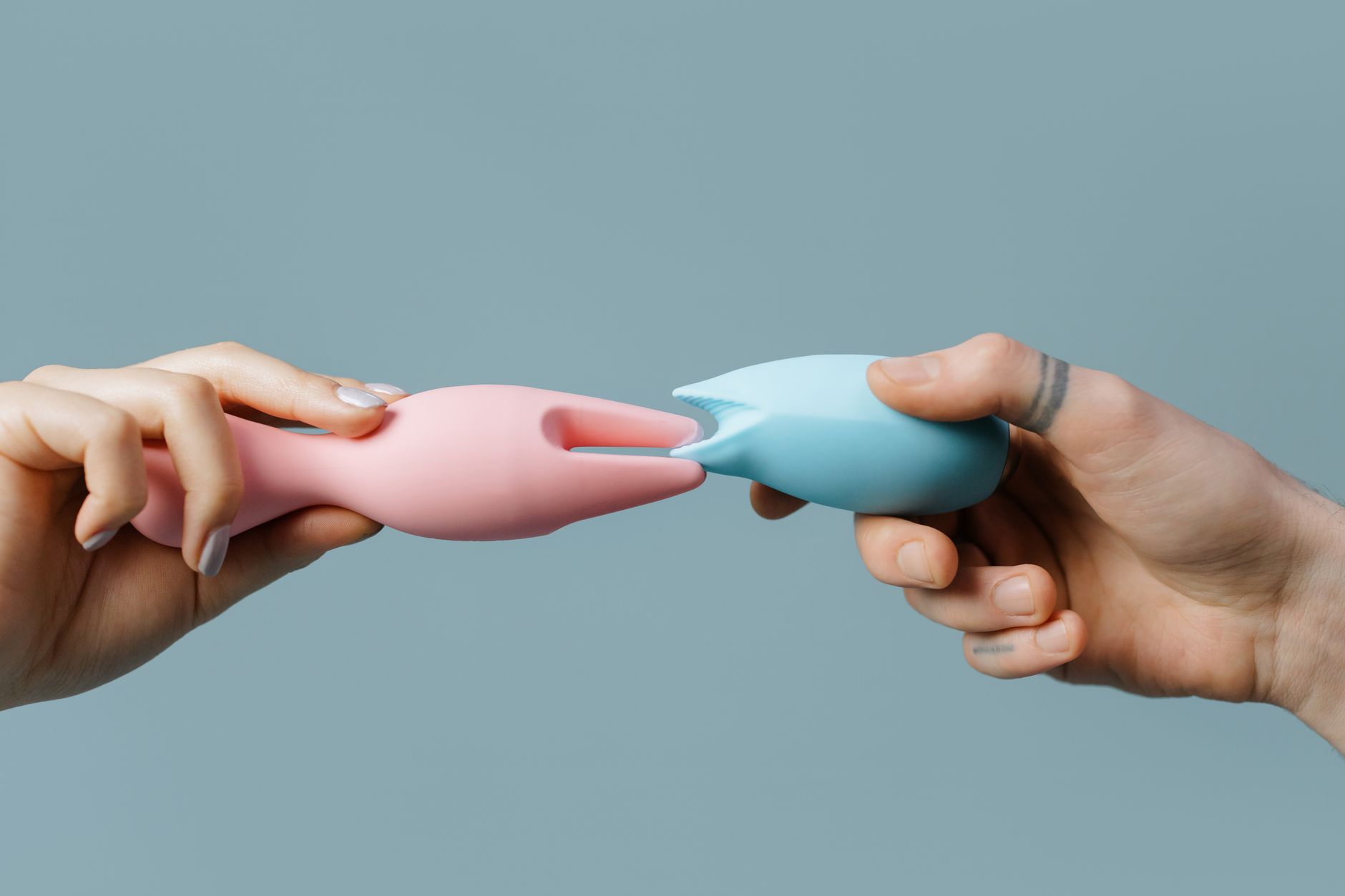
A good clitoral vibrator like the Lem does something specific to your nervous system. The suction-based stimulation bypasses the habitual pathways your body has built over months or years. It's different enough that your brain has to pay attention. You can't zone out the way you might with a more familiar kind of touch.
That forced attention is the first bridge. When you're using a lemon sexual toy and you notice, really notice, what's happening in your body, you're simultaneously sending a signal to your emotional brain: this sensation matters to me. I'm here for this. The present-moment awareness that comes from exploring a new sensation is the same skill therapists call "grounding," and it's central to reconnecting pleasure to presence.
Here's the technical part: clitoral suction stimulates tens of thousands of nerve endings in a concentrated way. That intensity pulls your attention into your body whether you plan it to or not. Once you're there, in that sensation, the work becomes: can I stay? Can I notice what this feels like without the mental commentary about your partner, your insecurity, your body image, or whether you're doing it right?
The answer is often yes. And the moment you can stay with just the sensation and the pleasure and nothing else, you've rebuilt one connection in that broken bridge.
The protocol that actually works
I recommend a specific structure when using a lemon sucker or other clitoral vibrator to heal this particular gap. This isn't for orgasm. You can have as many orgasms as you want separately. This is for training the neural pathway between sensation and presence.
Solo, not with a partner, at least at first. Your nervous system needs to learn that pleasure and presence can exist together without an audience or performance requirement. Use a vibrator alone, in a space where you won't be interrupted. Fifteen to twenty minutes. No goal except to notice what you feel.
Start at a lower intensity. With the Lem or similar lemon clitoral vibrator, begin at setting one or two. We're not chasing an orgasm here. We're learning presence. Intensity is a distraction from that work. The goal is to stay conscious, stay present, and let sensation build slowly enough that you can actually observe it.
When your mind wanders, don't judge it. Your brain will try to pull you into the story. Maybe it'll replay a memory that makes you sad or anxious. Maybe it'll start planning dinner or worrying about something at work. When this happens, which it will, your only job is to notice: "My mind just left the room." Then gently bring attention back to sensation. Not with force. With curiosity. Like you're observing something interesting.
If you hit a plateau or numbness, stay with it. Sometimes when you've been disconnected for a long time, the sensation feels muted at first. Your body is learning to trust that it's safe to feel again. Use that time to breathe, to check in emotionally: "What am I actually feeling right now?" Often what looks like numbness is actually grief or fear living just underneath the surface. Let it surface. Sit with it. The pleasure will come back once your system feels genuinely safe.
Do this practice twice a week for three to four weeks. You're not building a habit around the lemon vibrator itself. You're retraining your brain's association between pleasure and presence.
What to do when you're ready to involve a partner
Once you've spent a few weeks in solo practice and notice that sensation and presence are getting friendlier, the next phase is gradual partner integration.
Have an honest conversation first. Tell your partner: "I've been working on something, and I want you to understand what it is before we try anything together." Explain the disconnect. Explain that you're trying to rebuild the bridge between sensation and emotional connection. Let them know this is about you, not about them or about your relationship being over. This is about you coming back to yourself.
Then spend time using the lemon clitoral vibrator together in a way that prioritizes your presence over theirs. Maybe they hold you while you use it. Maybe they're just in the room. Maybe you use it while you're together but not touching at first. The point is: your partner becomes part of the experience in a way that emphasizes that you're present, you're here, you're invited to be here with feeling.
Over time, and only if it feels right, this can progress to them being more directly involved. But the foundation is: you know what presence and pleasure feel like together now. Your body remembers. Your nervous system believes it's safe.
When emotional work is also necessary
I need to be direct here: if the disconnection comes from specific trauma, betrayal, or sustained emotional harm, a vibrator alone won't fix it. What a lemon vibrator can do is create a window of time where you practice presence, and that practice often makes it easier to engage in the emotional processing work with a therapist.
If you're dealing with past infidelity or significant trust rupture, working with a couples therapist trained in the Gottman Method or other evidence-based approaches can help you rebuild the emotional foundation that pleasure actually needs to land on. A vibrator is a tool for somatic reconnection. Therapy is the tool for narrative and relational repair. Often you need both.
The same is true if depression or anxiety is running in the background. Sometimes the disconnection between pleasure and intimacy isn't a relationship problem at all. It's your nervous system in survival mode, and that requires clinical attention.
Use the lemon clitoral vibrator as part of the solution, not the whole solution.
Why this actually matters
When you can feel pleasure and be present at the same time, you've reclaimed something fundamental about yourself. You're not just rebuilding sexual function. You're rebuilding your capacity to be alive in your body while emotionally connected to what matters. That's a skill that bleeds into everything else in your life.
People who do this work often find that their general sense of presence improves. They're more available in conversations. They notice their kids' faces more. They taste their food. They feel the sun on their skin. Reconnecting sensation to presence isn't just about sex. It's about remembering how to inhabit your life.
That's why I recommend starting with a lemon vibrator if you're in this particular gap. It's specific enough to interrupt the pattern. It's pleasant enough that you want to do it regularly. And it's designed in a way that makes presence easier than it would be with other forms of stimulation.
FAQ: Questions people actually ask about this
How long does it take to feel the reconnection?
Three to four weeks of regular solo practice is when most people notice a shift. You'll start feeling more present during the experience itself. Some people report that the emotional walls start to soften in that window too. But deeper reconnection, especially if the disconnection was caused by something significant, often takes longer. Think of the first month as proof that reconnection is possible, not the final destination.
What if I feel guilty using a vibrator alone when I have a partner?
This is usually about internalized messages that sex should be partnered to "count." It doesn't. Solo sexual practice is as valid as partnered practice, and when you're doing therapeutic work around presence and connection, it's often more valuable. You're not cheating on your partner by learning to feel your own pleasure. You're building a capacity that eventually makes partnered intimacy better too.
Can I use other toys besides a lemon clitoral vibrator for this?
You can, but clitoral vibrators designed with suction technology work better for this specific purpose because the sensation is distinctive enough to interrupt autopilot. When Pleasure Feels Disconnected From Intimacy explores different stimulation types, but if your goal is presence, a good lemon vibrator or similar clitoral sucker tends to get you there faster. The novelty and intensity keep you in the moment.
What if nothing changes after a month?
Then there's likely something else happening that solo practice won't address. This could be clinical depression, past trauma, or deeper relational issues. This is the time to bring in a therapist who specializes in sexual health or couples work. They can help you figure out what's actually underneath the disconnection and what kind of treatment plan you need.
Is this about having more orgasms?
No. This is about being present and connected during arousal. The orgasms might stay the same, get better, or change in intensity or quality. But presence first, pleasure second. That's the order that actually works for rebuilding this particular connection. Once presence is established, the orgasms usually take care of themselves.
My partner feels hurt that I want to do this solo. How do I handle that?
This is worth a conversation. Your partner might be hearing: "I want to exclude you" or "The sexual part of us is broken." But what you're actually saying is: "I need to rebuild my own internal connection to pleasure before I can fully show up with you." It's an act of love, not rejection. Many couples find that once the person with the disconnection does this solo work, the partnered intimacy improves dramatically because finally everyone's actually present.
Can I use a lemon sexual toy during partnered sex to help with presence too?
Yes, but usually not at first. Start solo. Once you've trained the nervous system to associate the lemon vibrator with presence and pleasure together, then you can introduce it during partnered intimacy if it feels right. The solo foundation matters because it prevents you from slipping into performance mode, which is the opposite of what we're trying to build.
The work you're doing here is quiet and private and profoundly important. You're not trying to fix your relationship or prove anything to anyone. You're teaching your body and your heart how to be in the same room at the same time again. That's the real work. Everything else builds from there.