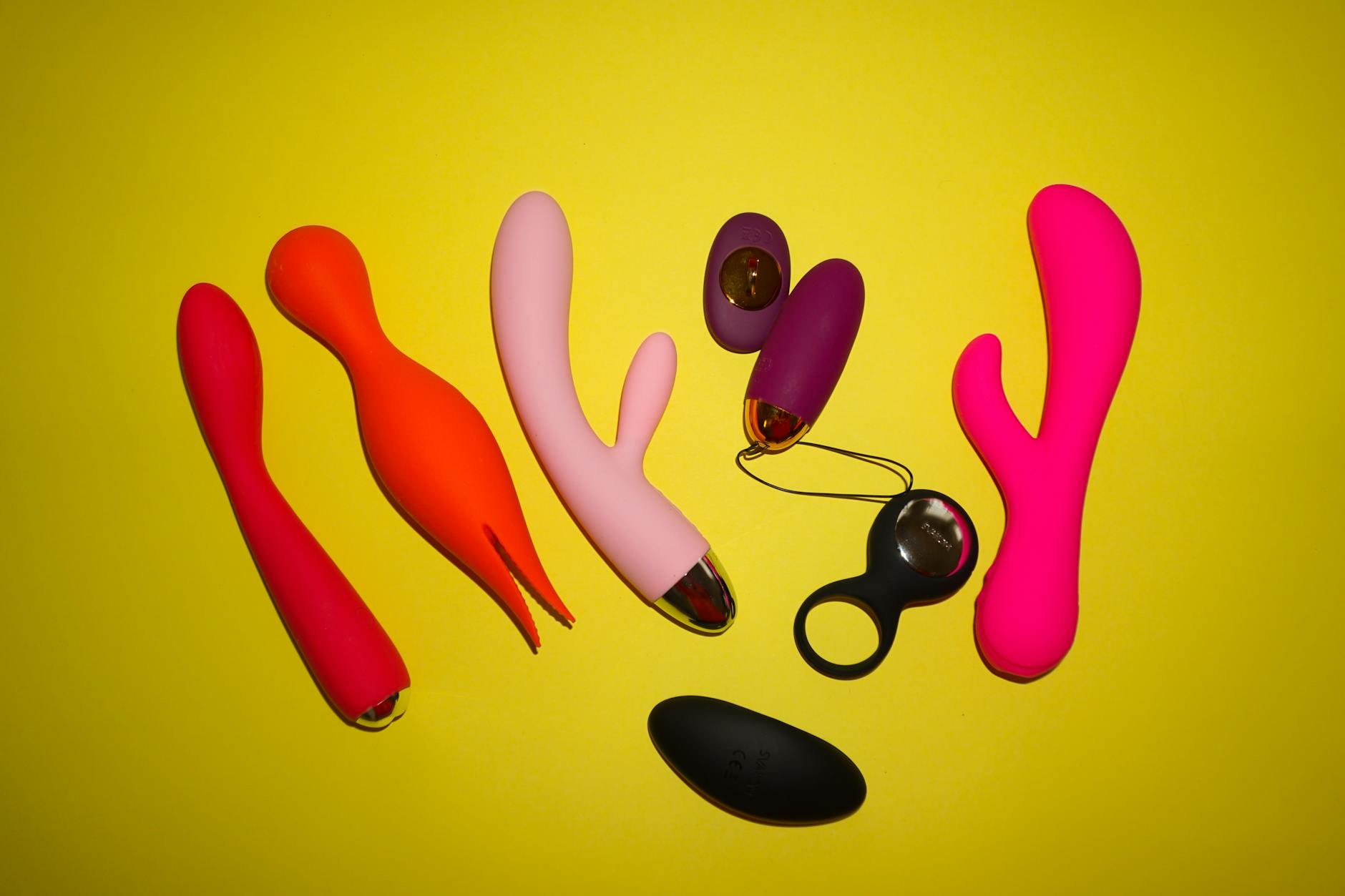
When desire goes quiet and then slowly wakes up
Grief is a full-body shutdown. Your nervous system locks down. Pleasure isn't just absent. It feels impossible, almost offensive that it could exist in the same space as the weight you're carrying. Then weeks or months later, something shifts. A moment of lightness. A flash of interest. And suddenly you're wondering if it's okay to want pleasure again, and if your body even remembers how.
This is one of the hardest transitions in grief recovery because nobody talks about it. We talk about the heavy months. We talk about slowly returning to normal. Nobody talks about the specific strangeness of desire returning while grief is still present. Both things happening at once. And that's what you need to know about.
The physiological side of grief and arousal
When you're in acute grief, your cortisol and adrenaline stay elevated. Your parasympathetic nervous system, the one that has to switch on for arousal to happen, stays offline. Your body is in survival mode. Pleasure requires safety. Your nervous system doesn't feel safe yet.
As time passes and the acute crisis softens, something changes. Your body starts to believe the crisis isn't actively happening. Cortisol drops. Your nervous system gets quieter. And then you might notice something unexpected. A little spark. A curiosity about touch. A moment where pleasure feels possible again.
But here's the thing that usually throws people: it doesn't come back as a steady hum. It comes back in waves. You'll have a moment of desire followed by a crash into grief. That's not broken. That's normal. Grief and healing don't take turns. They overlap.
Why the return of pleasure can feel like betrayal
Most of my clients describe this moment as confusing and sometimes guilty. If I'm feeling pleasure, does that mean I'm moving on? Does that mean I didn't love them enough? Does my desire returning mean I'm being disrespectful to their memory?
No. And I say that clearly.
Pleasure returning is not about forgetting. It's not about moving past grief or deciding it didn't matter. Your nervous system healing is a separate process from your emotional grieving. Your body can start to feel safe again while your heart is still processing loss. In fact, this is a sign of healing. This is your system saying, slowly, I think we can survive this.
Why clitoral vibrators feel different during this transition
When desire first wakes up after grief, most people find that the sensations they used to enjoy feel either too subtle or too intense. Air-suction clitoral vibrators like the Lem work particularly well during this time because they offer a very specific kind of stimulation that doesn't require you to be deeply aroused to feel something.
Traditional vibrators require a baseline of arousal to feel good. They're wand-style or bullet-style. Suction technology works differently. It creates a gentle cup of sensation that stimulates through pressure and rhythm rather than direct friction. This means your body can experience clear, measurable pleasure even when you're not in a deeply aroused state.
When you're recovering from grief, this is essential. You don't have the bandwidth yet for slow, sensual builds. You need something that says clearly and quickly: your body can feel good. Your pleasure matters. And a clitoral vibrator delivers that feedback in a way that's hard to argue with.
The first time back. Do it alone.
I'm going to be direct: the first time you reconnect with pleasure after significant grief, do it by yourself. Not because partnered pleasure is bad or wrong. Because you need to know what you're feeling without anyone else's needs, expectations, or energy in the room.
Grief is disorienting. Pleasure is also, in its own way, disorienting. You need to feel one thing at a time in a space where you're completely safe and unobserved.
Here's what I suggest. Set an hour where you have privacy. No phone. No pressure to orgasm or achieve anything. The goal isn't pleasure. The goal is information. What does your body want? What feels good? Where is the sensation? Does it bring relief? Does it bring tears?
Start with your hands. Touch your body like you're reintroducing yourself. Your shoulders. Your chest. Your inner thighs. No agenda. Just attention. After about ten minutes of slow exploration, if you feel any spark of interest, reach for your lemon clitoral vibrator.
Start on the lowest setting. The Lem has a range of intensities. Use pattern 1. Hold it gently. You're not trying to achieve anything. You're listening.
What to expect when you pick up the vibrator
You might feel nothing at first. That's okay. Your nervous system might be cautious. Keep going. After a few minutes, you'll probably feel something. A gentle hum of sensation. Warmth. Maybe a building of pressure.
Here's what often happens: pleasure builds a little, and then emotion comes up. Sadness. Relief. Sometimes both at once. Let it happen. Your body is processing something that's held a lot of tension. Pleasure and grief can exist in the same moment. This is part of healing.
If you find yourself getting tense or pulling away, pause. You're not failing. Your nervous system is checking whether this is safe. Go back to your hands. Breathe. Maybe try again in a few minutes. Maybe try again another day. This isn't a race.
When you're ready to include a partner
Once you've reconnected with pleasure on your own, and you feel like you want to share that with someone, the conversation starts before you get into bed.
Tell them: "I'm starting to feel desire again. I want to explore that with you. But I need you to know that sometimes grief and pleasure are going to happen in the same moment. My body might feel good while my emotions are complicated. That doesn't mean I want you to stop or that something's wrong. It just means I'm healing."
A good partner will understand. A great partner will ask: "What do you need me to do? What should I pay attention to?"
If you want to use the lemon vibrator with a partner, consider these elements. Let them hold it first so they understand the sensation and intensity. Let them watch you use it. Show them what pressure, speed, and placement feel good to you. Turn it into shared information rather than performance.
The permission piece nobody mentions
Pleasure after grief can feel selfish if you let it. It's not. Your nervous system healing is not disrespectful to whoever you've lost. Your body wanting to feel good is not a betrayal of their memory. Grief and healing are not opposites. They're the same process moving at different speeds.
You don't have to earn pleasure by suffering long enough. You don't have to wait until grief is completely gone. Your body is allowed to want sensation, comfort, and release while your heart is still learning how to exist in a world that feels smaller.
The return of arousal after major life changes is a sign of resilience. Your nervous system is learning that safety is possible again. That's not something to feel guilty about. That's something to honor.
A gentle reality check
Some days the pleasure will feel clear and straightforward. Some days you'll be holding the vibrator and feel nothing but sadness. Both are valid. Both are part of this transition.
If weeks pass and you're not feeling any return of desire, that's also normal. Grief timelines are individual. Some people's bodies reconnect with pleasure within months. Some take a year or longer. There's no timeline you're supposed to hit.
If you notice that pleasure is returning but it's bringing up a lot of anxiety or complicated feelings, it might be worth talking to a therapist who specializes in grief. Sometimes the block isn't physical. Sometimes it's emotional permission you need to process with support.
The everyday truth
Grief doesn't end. It gets smaller, quieter, less sharp. And pleasure, when it returns, lives alongside it. You're not moving past grief when you feel desire again. You're learning to hold both at the same time. Your body is strong enough for that. And if you need a tool to help you remember that your pleasure matters, that you deserve sensation and relief, that your body is still worth attention and care, a lemon clitoral vibrator is a quiet, consistent way to say yes to yourself while everything else is still settling.
Take your time. Feel what you feel. And know that wanting to feel good is not disloyal to loss.
Frequently asked questions
Is it normal to feel both pleasure and sadness at the same time?
Completely. Your nervous system and your emotional processing happen on different timelines. You can be aroused while grieving. You can have an orgasm while tears are present. This isn't a sign that something's wrong. It's actually evidence that you're integrating both parts of your experience.
How long after a loss does desire typically return?
There's no standard timeline. Acute grief can suppress desire for weeks or months. Some people feel a shift after six months. Others take a year or longer. Your body's timeline depends on the intensity of the loss, your baseline resilience, and whether you have adequate support. If a year has passed and you're still feeling complete numbness, that's worth discussing with a therapist or grief counselor.
Should I tell my partner when pleasure starts returning?
Yes. Not as a confession, but as information. Something like: "I'm starting to feel desire again, and I'd like to explore that with you." This opens a conversation rather than creating a surprise. It also gives your partner permission to ask questions and understand what you need.
Can I use a clitoral vibrator if I'm still grieving?
Absolutely. There's no grief timeline you have to follow before pleasure becomes acceptable. If your body is asking for sensation and relief, that's valid. Pleasure is not disrespectful to loss.
What if I use the vibrator and nothing happens?
Then nothing happened. Your nervous system might not be ready yet. That's not failure. Try again another day, or don't. Your body will tell you when it's interested. There's no pressure to feel pleasure on a schedule.
Is it okay to want pleasure again if the person I lost was a partner?
Yes. Your desire returning doesn't erase what you had with them. It doesn't mean you didn't love them. It means your nervous system is learning it's safe to want something for yourself again. That's part of your own healing, and it's necessary and good.
Evelyn Granieri is a licensed marriage and family therapist specializing in grief recovery and relationship transitions. Her work focuses on helping people navigate the intersection of loss and healing with compassion and practical tools.