Here's the thing about menopause and pleasure
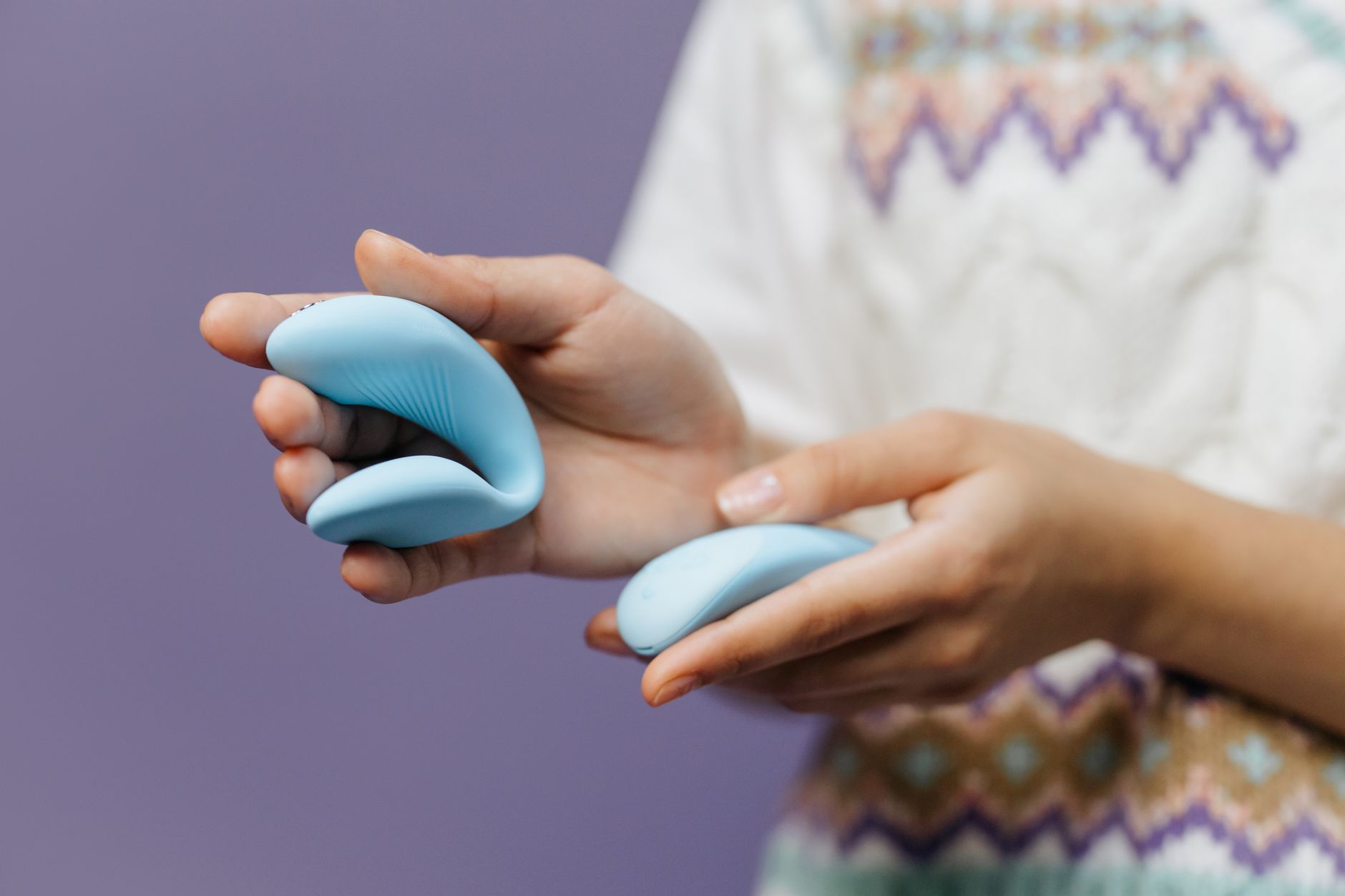
Menopause doesn't end your sexual life. What it does is rewrite the rules. Estrogen drops, tissue gets thinner, lubrication changes. Your body asks different things of you. And that's where something like the Lem, a lemon clitoral vibrator, stops being optional and starts being genuinely transformative.
I've worked with hundreds of clients navigating this transition, and here's what keeps coming up: "I thought this part of my life was over." It never is. What's over is the old way. What's beginning is often better.
What actually changes when menopause arrives
Let's separate fact from fear, because most of what you've heard about menopause and sex is either catastrophizing or toxic positivity. The physiological reality sits somewhere honest in the middle.
Estrogen levels drop dramatically. This means the tissue of your vulva and vagina gets thinner. There's less natural lubrication. Blood flow takes longer to build. Your pelvic floor, which used to be supported by higher estrogen, loses some of that structural foundation. Orgasms can feel different. Sometimes shallower. Sometimes more concentrated in one spot instead of spreading through your whole body.
But here's what doesn't change: your clitoral nerve density stays exactly the same. Your brain's capacity for arousal, pleasure, and orgasm is unchanged. The neural pathways that carry sensation? Still there. Your ability to have intense, full-body orgasms? Still there.
This distinction matters because it changes how you move forward. You're not broken. Your body is asking for different support.
Why a lemon sucker vibrator works differently for post-menopausal bodies
A traditional vibrator relies on direct vibration against sensitive tissue. After menopause, this can feel too intense or even uncomfortable on thinner skin. A lemon vibrator, or air-suction clitoral vibrator like the Lem, uses a completely different mechanism.
Instead of vibration, it creates gentle suction and pulsing around the clitoris. Think of it like the difference between a massage and a hand gently cupping your shoulder. The sensation is broader, less direct, more diffuse. For post-menopausal bodies, this is often exactly right.
The suction doesn't require the same kind of friction that can irritate thinner tissue. It stimulates the nerve endings through indirect pressure. Many of my clients report that once they switch to suction-based stimulation, they get back to orgasms faster and with less discomfort than they expected.
The physical setup that actually helps
Let me give you the unglamorous but essential list:
Lubrication is non-negotiable. Not because something's wrong with you. Because thinner tissue benefits from it, and it makes the suction sensation smoother and more pleasurable. Use a water-based lube. Silicone lubes feel richer but can damage silicone toys, and your lemon clitoral vibrator deserves better.
Plan for longer warm-up time. Arousal after menopause doesn't arrive on the same timeline as before. Budget 15 to 25 minutes instead of five. This isn't a setback. It's a gift if you let it be. More time to build desire, to notice sensation, to actually feel what's happening in your body instead of chasing an outcome.
Start at lower intensity. On the Lem or any lemon sucker vibrator, patterns one through three are your friends. You can work up to higher intensities, but begin gently. Your tissues will thank you, and you'll actually feel the sensation instead of just enduring it.
Pelvic floor awareness changes everything. Kegels are useful, but so is learning to relax your pelvic floor fully. After menopause, the pelvic floor tightens more easily and holds tension longer. Spending five minutes before sex simply breathing and consciously releasing that tension makes a measurable difference in both pleasure and orgasm intensity.
The emotional layer nobody talks about
Menopause often arrives alongside other midlife transitions. Your kids are older. Your relationship might need rekindling. Work stress shifts. Grief shows up. The cultural narrative about your sexuality changes overnight.
The temptation is to blame your body for any shift in pleasure. Sometimes it is your body. Often it's something else entirely.
If you're partnered, the most valuable thing you can do is separate two conversations: "My body is responding differently" and "I want us to reconnect." Blending them turns both into dead ends. Your body's changes are real and physical. Your relational needs are separate.
When you take time alone with a lemon vibrator, you're not just exploring sensation. You're reclaiming your body as yours. You're learning what turns you on now, at this stage of your life. That information matters when you move back into partnered sex.
How to actually use the Lem after menopause
Here's a practical framework:
Set the scene. Warm room, comfortable position, no clock-watching. You're not trying to get anywhere.
Start with lube and low intensity. Place a small amount of water-based lubricant on the tip of your lemon clitoral vibrator. Start at pattern one. Let the sensation build.
Find your rhythm slowly. The Lem's suction works best when you stay relatively still and let the device do the work. You're not thrusting or moving much. You're receiving stimulation.
Notice what changes. After menopause, your arousal arc might feel different. Orgasms might arrive differently. You might need to pause and restart. All of this is normal. Notice it without judgment.
Return to what works. Once you find a pattern and rhythm that builds arousal, stay there longer than you think you need to. Post-menopausal orgasms sometimes require patience that pre-menopausal orgasms didn't.
Many people also find that using a lemon sucker vibrator is more comfortable during different parts of their cycle, even after menopause. Some people have residual hormonal fluctuations. Others find that certain times of the month just feel better. Pay attention to that pattern.
When to get professional support
If penetration becomes painful, don't wait it out. Genitourinary syndrome of menopause is real and common. Topical estrogen creams prescribed by a menopause-informed doctor often change everything in weeks.
If desire has completely vanished and you want it back, testosterone therapy is worth discussing with a provider who specializes in menopause. It's not for everyone, but for the right person it's life-changing.
If you're grieving your pre-menopausal body or sexuality, therapy helps. This is a real loss alongside being a real opportunity. Both feelings are legitimate.
The truth nobody tells you
Menopause isn't a deadline. It's a doorway. What's on the other side is often richer, more intentional, and genuinely more pleasurable than what came before. Not because the physical experience is better, but because you're having it on your own terms, with full knowledge of your body, without the noise of reproductive pressure.
Your pleasure matters at 25. It also matters at 55. A lemon vibrator, designed for gentle external stimulation, meets your body where it actually is. Not where it used to be. Not where you think it should be. Where it is.
That's the entire point. And honestly, it's the best part of the whole transition.
People also ask
Is it normal for sensation to feel different on a lemon vibrator after menopause?
Completely normal. Thinner tissue and lower blood flow mean the sensation arrives differently. Some people describe it as muted at first, then intensifying once arousal builds. Your clitoral sensitivity hasn't changed, but how stimulation feels has. Give yourself two to three sessions to adjust before deciding if it's working for you.
Should I use a different lube with a lemon clitoral vibrator after menopause?
Stick with water-based lube, full stop. It's compatible with silicone toys and won't degrade the Lem or any lemon sucker vibrator. Silicone lubes feel richer but can create a film on the device that actually reduces sensation. Water-based also absorbs into skin more naturally, which matters when tissue is thinner.
Can I use a lemon vibrator if I'm taking hormone replacement therapy?
Yes, absolutely. HRT might change how quickly you respond to the Lem or how intense sensation feels, but there's no contraindication. Some people on HRT find they need less warm-up time. Others find the sensation stays the same. Track what you notice over a few weeks and adjust from there.
How often can I use the Lem after menopause?
As often as you want. There's no limit. Some people use it several times a week. Others use it once a month. Listen to your body. If tissue feels irritated, take a break. But pleasure is available to you whenever you want it.
Does a lemon vibrator work better than a traditional vibrator after menopause?
For many people, yes. The suction-based mechanism is gentler on thinner tissue and often produces more satisfying sensations because it's less direct. But everyone's different. Some people prefer traditional vibrators even after menopause. Try the Lem. If it doesn't feel right, that's information too.
What if I can't orgasm with the Lem even after trying multiple times?
First, remember that the goal isn't the orgasm. The goal is sensation and reconnection with your body. That said, if you're not getting there after five or six tries, check the basics: Are you using lube? Are you giving yourself enough warm-up time? Is your pelvic floor relaxed? Are you in a mentally safe space? Usually tweaking one of these changes everything. If you're still stuck, a session with a sex-informed therapist can help identify what's getting in the way.
The road ahead
Menopause is not the end of your sexual life. The bodies we have now are the bodies we get to have. A lemon clitoral vibrator is designed for this body. Not your younger body. This one. And this one still deserves pleasure, attention, and the best tools available to feel good.
Start small. Be patient with the adjustment. And when it clicks, when you remember what pleasure feels like in this new body of yours, that's worth celebrating. Because you earned it.
Have questions about navigating pleasure after menopause or how to use specific tools during this transition? We're here to help. Reach out at /contact.