Let's talk about the trade-off nobody explains until you're living it
Antidepressants saved your mental health. That's the win. But somewhere around week three or month four, you notice something else: pleasure has a dimmer switch now, and someone turned it down. Not all the way off. Just... muffled. Like you're experiencing sex through a thick pane of glass. You can see it happening, but you're not really feeling it the way you used to.
This isn't failure. It's not you being broken, and it's definitely not a reason to stop your medication. What it is: a well-documented side effect of SSRIs (selective serotonin reuptake inhibitors) that almost nobody talks about until you're already mid-prescription, wondering if this is just your new normal.
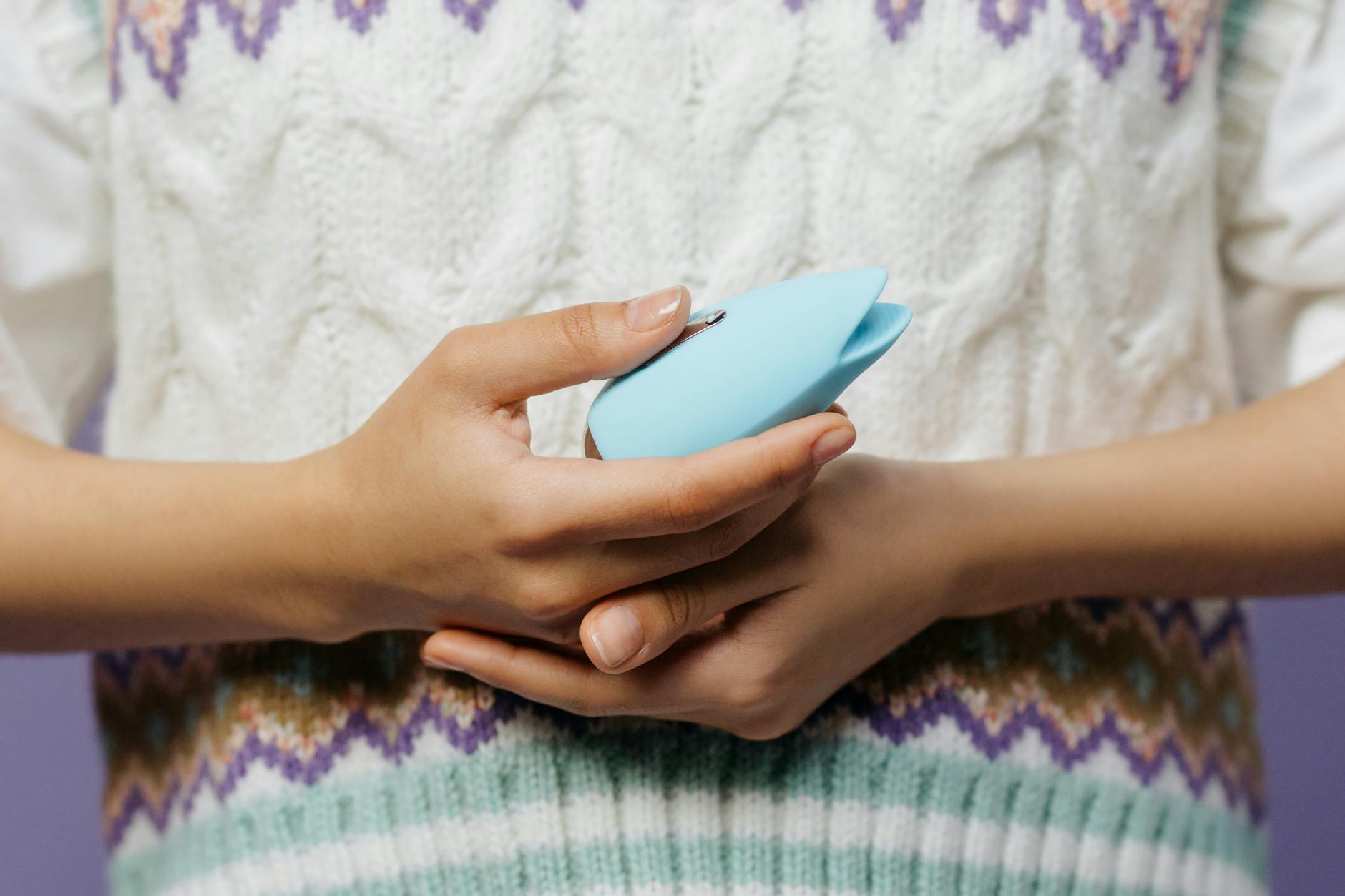
Here's what's actually happening, why it happens, and exactly how clitoral vibrators like the Lemon change the equation.
How antidepressants flatten sexual sensation
SSRIs work by preventing your brain from reabsorbing serotonin. More serotonin in the synapse, less anxiety and depression. Solid plan. But here's the problem: serotonin also regulates dopamine and noradrenaline, the two neurochemicals that fire up sexual arousal and orgasm.
This is what actually happens:
Delayed arousal. It takes longer for your brain to register stimulation as exciting instead of just pleasant. You might spend twenty minutes thinking "this should feel good" before your body agrees.
Numbed sensation. The intensity of sensation gets dimmed. A touch that used to send electricity through your nervous system now feels more like... a touch. It's still nice, but it's lost the charge.
Delayed or absent orgasm. About 40-60% of people on SSRIs experience delayed ejaculation or orgasm, or sometimes both. The physical response is there. The brain signal that says "go" gets stuck in traffic.
About 30% of people taking SSRIs report some sexual side effect. The higher your dose or the longer you've been on the medication, the more likely you are to notice it. And yes, it's real. It's not psychological. Your nervous system literally has less dopamine available for pleasure signaling.
Why lemon vibrators work when sensation is flattened
A clitoral vibrator works differently than fingers or a partner's touch. Here's why that matters for SSRI-numbed sensation:
Consistent, intense stimulation. A vibrator doesn't get tired or vary pressure. It delivers the same frequency and amplitude, again and again. Your nervous system gets a chance to gradually recognize the signal instead of dismissing it as background noise.
Direct clitoral access. The clitoris has about eight thousand nerve endings concentrated in a small area. A vibrator like the Lemon uses air-pulse suction technology, which stimulates nerves deep in the tissue, not just the surface. Surface sensation might be muffled by SSRIs. Deeper nerve clusters often aren't.
Pattern repetition builds momentum. When sensation is numb, quick pulses help more than sustained pressure. The rhythmic stimulation creates a chain reaction in your nervous system, gradually building arousal and sensation even when the baseline feels low.
It bypasses the "should feel good" exhaustion. With a partner or your hand, you're constantly evaluating: Is this working? Should I keep going? Why isn't this building? With a vibrator, you can surrender to the rhythm and let your body respond on its own timeline.
The protocol that actually works
Four things to do differently when you're using a clitoral vibrator with SSRI-flattened sensation.
Start with pattern one. Don't go for intensity. The first patterns on the Lemon are gentle and rhythmic. Your nervous system needs to remember what finding pleasure feels like before it's ready for intensity. Spend a full session on pattern one, even if it feels slow. Even if you don't orgasm. You're rewiring, not performing.
Extend your timeline radically. Budget 30-45 minutes instead of 15. SSRI-numbed sensation is a marathon, not a sprint. This is not a bug. It's an actual advantage. You get longer, slower-building pleasure. Your orgasm, when it comes, often feels deeper and more complex because it took longer to arrive.
Use a mental focus technique. Not meditation. Not breathwork. Just: stay in your body. Notice what's changing, not whether it's "enough." When your mind wanders (and it will), bring it back to: Where am I feeling this? How is it changing? What sensation am I noticing right now? This counteracts the dissociation that SSRIs can create during sex.
Combine with a partner if possible, but set expectations first. If you have a partner, tell them: "This will take longer. That's not a sign it's not working. It means I'm building something deeper." Pressure to perform or reach orgasm on someone else's timeline is the fastest way to kill what little arousal you've got. Mutual pressure is the enemy here.
The timing conversation with your doctor
This matters: some SSRI-related sexual side effects fade after 3-6 months as your body adjusts. Not all of them, and not for everyone, but enough that it's worth waiting before making changes.
Before you adjust your dose or switch medications, talk to your prescriber about what you're experiencing. Be specific. "Sexual side effects" is vague. "Delayed orgasm and reduced sensation" is actionable. Your doctor has options:
Take a medication holiday (usually not sustainable, but sometimes works short-term). Switch to a different SSRI (some have fewer sexual side effects). Add an additional medication like bupropion that works against SSRI sexual numbness. Lower your dose slightly (if your mental health is stable enough). Wait it out (seriously, many people see improvement at month six or later).
Your antidepressant is keeping you alive and functional. That's the priority. But you deserve to feel pleasure too. These conversations exist to solve both problems.
The science behind why sensation comes back
Here's something that surprised my clients: using a lemon vibrator consistently while on SSRIs doesn't just help you have pleasure despite numbness. It actually seems to rebuild sensitivity. Not by changing the medication, but by training your nervous system to recognize and respond to stimulation again.
This is neuroplasticity. Your brain rewires pathways based on repeated input. When you spend 30 minutes every few days with focused, rhythmic stimulation from a clitoral vibrator, you're essentially teaching your nervous system: "Pay attention to this signal. This matters." Over weeks, that signal gets louder. Sensation returns, not because the SSRI changed, but because your body learned to hear it again.
It's not guaranteed. It doesn't work for everyone. But it works often enough that it's worth trying before you assume this is permanent.
When numbness signals something else
Complete anhedonia (zero pleasure, zero interest, nothing) after starting SSRIs isn't just sexual numbness. That's usually a sign the medication isn't right for you, or the dose is too high. Talk to your doctor immediately.
Same if numbness showed up after you'd been on a stable dose for months. Something shifted. Maybe your dose needs adjusting. Maybe you need a break or a medication switch. Maybe something else is going on (depression spiking, relationship stress, trauma resurfacing). Don't just accept it as "the price of mental health." You might have options.
And if sensation comes back on its own (some people notice this after 6-12 months), that's not a sign you should stop your medication. Your body and brain have just finished adjusting. Keep doing what's working.
The timeline expectation
If you're starting a Lemon vibrator while on SSRIs, here's what realistic looks like:
Weeks 1-3: You might not orgasm. You'll notice something changing, though. Sensation building, rhythm mattering. This is progress.
Weeks 4-6: Orgasm might appear, but it takes longer to arrive and feels different. Not worse. Different. More complex, sometimes.
Weeks 8-12: Sensitivity increases noticeably. Pleasure starts feeling less muffled. You might explore different patterns more freely now.
Months 3-6: For many people, sensation normalizes significantly. Not always 100% back to baseline, but close enough that sex feels intentional instead of obligatory.
This timeline isn't guaranteed. Some people see faster changes. Some take longer. Some plateau at "noticeably better" instead of "fully back to normal." All of those outcomes are still wins.
FAQ: Antidepressants, sensation, and using a lemon vibrator
Can I use a clitoral vibrator if I'm also taking other medications?
Generally yes. The main interaction is SSRI-related, and we're specifically addressing that. If you're on other medications (blood pressure meds, hormonal birth control, anti-anxiety drugs), they don't typically interfere with a vibrator's function. If you're on something unusual or you have concerns, your doctor or pharmacist can clear it in two minutes.
How often should I use the Lemon if sensation is numb?
Two to three times per week gives your nervous system time to adapt without overwhelming it. More frequent use doesn't necessarily speed recovery. Quality beats frequency here. Thirty minutes twice a week rebuilds pathways faster than ten minutes every day.
Will my sensation come back if I stay on antidepressants?
Often, yes. Not always completely, but significantly. The longer you use a vibrator consistently, the better chance your nervous system has to rewire itself. And that rewiring actually persists even if your SSRI dose never changes. You're building new neural pathways, not fighting chemistry.
Is it normal that orgasms feel different, not better, when they finally happen?
Completely. SSRI-delayed orgasms are sometimes less intense than pre-SSRI orgasms, but they last longer and feel more full-body. Different isn't bad. Many people prefer them once they adjust. Your brain is learning a new pleasure signature.
What if nothing changes after three months of using a vibrator?
Talk to your doctor about adjusting your SSRI. You've given your nervous system time to adapt. If it hasn't, the medication might not be the right fit for your body. There are other options. Your pleasure and your mental health don't have to be in competition.
Can my partner help if sensation feels numb?
Partners can absolutely help, but it's different than solo use. The pressure to perform (even unspoken) can work against sensation recovery. The best approach: your partner watches you use the vibrator sometimes, learns your rhythm and your timeline, and then can help replicate that comfort later. But leading with the vibrator, not the partner, usually works better for rebuilding sensation.
The real framework here
Antidepressants are not the enemy. Sexual numbness is real and it's not your fault. And neither one has to be permanent. Using a lemon vibrator isn't a workaround or a second-best option. It's how your nervous system relearns pleasure while your medication keeps you stable.
This takes patience. It takes time. But it works.