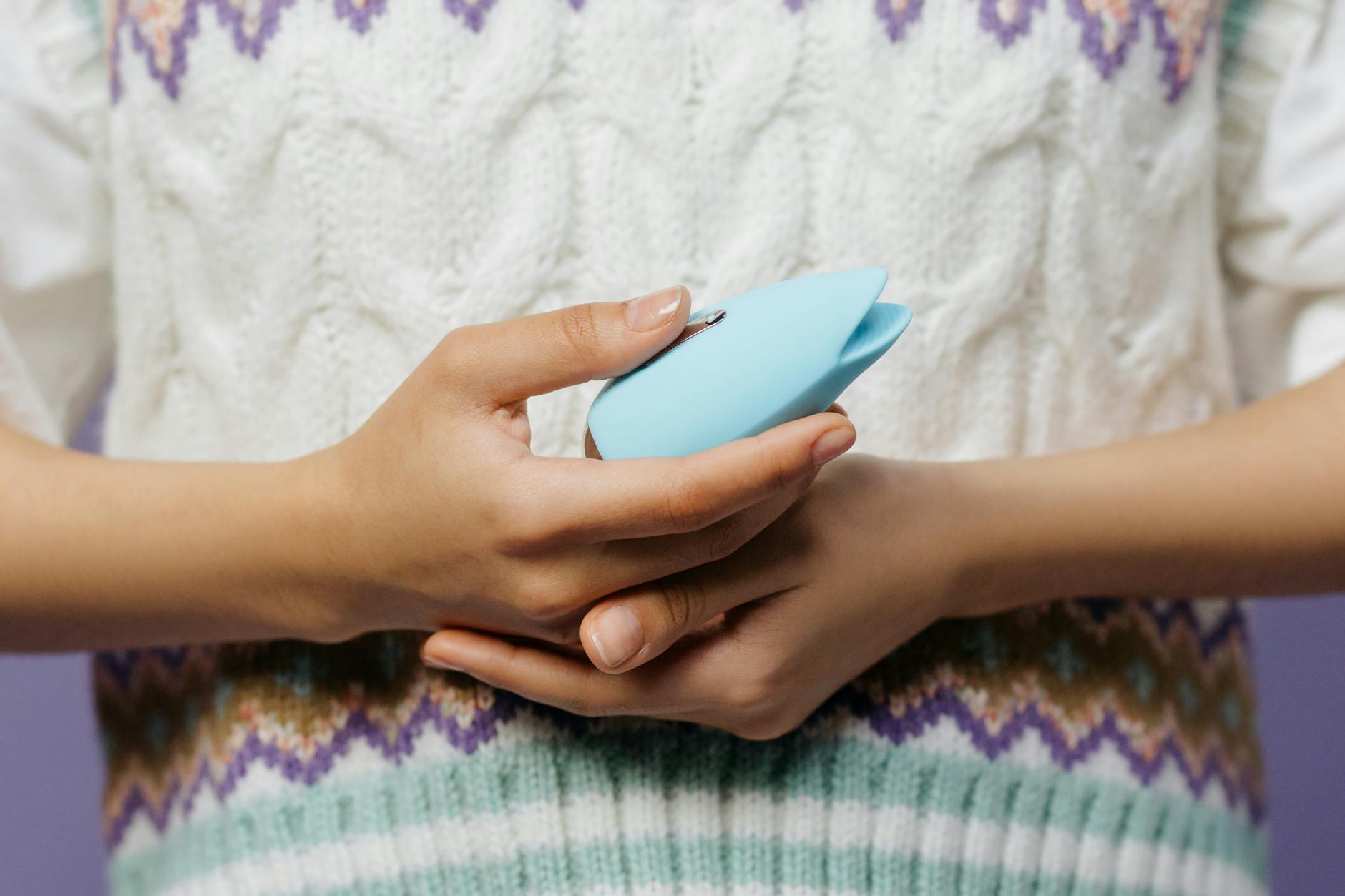
Let's talk about what actually happens when you take a break
Sex is like a muscle memory, but it's not quite that simple. After a long break from sexual activity—whether it's months, years, or even longer—your body doesn't forget how to have pleasure. What changes is sensitivity, arousal speed, and how your nervous system responds to touch. Some of these shifts are neurological. Some are hormonal. Most are completely reversible.
The good news? Starting again doesn't have to feel awkward or rushed. With the right tools and expectations, you can rebuild intimacy in a way that feels genuinely good.
What physically shifts after a sexual hiatus
When you step away from regular sexual activity, several things happen in your body:
First, your pelvic floor muscles lose some of their flexibility and tone. They tighten up, literally. This can make penetration feel uncomfortable or too tight, even if it never did before. The tissues downstairs also get less blood flow over time, which means arousal takes longer to build. Your body needs a longer warm-up period to produce natural lubrication and for tissues to swell and prepare.
Second, your nervous system recalibrates. Sex is stimulation. After weeks or months without it, your nervous system has adjusted to a lower baseline of that type of touch. When you start again, sensation can feel either dulled (your body has gotten used to less stimulation overall) or heightened (your nerve endings have become more sensitive). Usually it's a weird mix of both.
Third, and this matters: your brain. The longer you've been away, the more mental noise shows up. "Am I doing this right? Does my body look okay? Will it hurt?" That chatter blocks arousal faster than anything physical can. Mental groundedness matters more than you'd think.
What doesn't change? Your capacity for pleasure. Your clitoral nerve density. Your ability to orgasm. These don't degrade from disuse.
Why a lemon clitoral vibrator works so well for reentry
When you've been away for a while, jumping straight to partner sex or even solo penetration can feel like too much. A lemon vibrator—specifically the suction-based design of something like the Lem—sidesteps a lot of that friction.
Here's why it works:
Suction stimulation doesn't require the same kind of direct, mechanical pressure that traditional vibration does. Instead of vibrating against your clitoris, it creates a gentle rhythmic suction pattern. For someone whose tissues have been less stimulated, this feels less intense and overwhelming. You get pleasure without the sensation of being too much.
It's also non-penetrative, which means you can explore sensation without worrying about pelvic floor tension or tissue readiness. You're isolated the stimulation to one area—external, simple, low stakes. That removes a whole category of performance anxiety.
And frankly, lemon vibrators tend to feel safer to people restarting. They're designed to be intuitive. There's no complicated learning curve, no weird angles, no guessing game. Just a straightforward tool that does one thing well.
Your first session: what to actually do
Plan for time and privacy. Not "I have 20 minutes before a meeting," but genuine time. Two to three hours where you don't have to be anywhere or be anything to anyone else. That mental space is half the battle.
Start clothed. Seriously. Hold the Lem over your underwear. Notice the vibration pattern through fabric. Let your body remember what stimulation feels like without the intensity of direct contact. Spend 10 to 15 minutes here, no goal other than getting curious about sensation.
When you feel ready, move the vibrator directly to your skin. Use a water-based lubricant if you want (not because you're broken, but because your tissues might appreciate it). Start on the lowest setting. The Lem has several patterns; explore them slowly. You don't need to build toward orgasm. Orgasm isn't the goal of this first session. Pleasure and comfort are.
If anything feels uncomfortable or overwhelming, stop. Your nervous system needs to learn that this is safe before it fully opens up. That learning takes repetition.
Why arousal might feel slow (and that's normal)
Your body isn't lazy. It's cautious. After months or years without sexual stimulation, your parasympathetic nervous system (the one that handles rest and intimacy) has quieted down. Your sympathetic nervous system (fight or flight) has been running the show.
When you restart, it takes your body time to shift gears. Your clitoris won't swell as fast as it might have years ago. Lubrication might be slower. Arousal might feel distant or muted, even with stimulation. This doesn't mean you've lost your capacity. It means you need the runway to be longer.
Budget 20 to 30 minutes of actual stimulation before you expect much response. Use that time to notice small things: the warmth in your belly, the slight increase in heart rate, how your breathing changes. You're not chasing fireworks. You're reconnecting with sensation.
The partner conversation, if that's relevant
If you're restarting with someone, this is its own negotiation. They might feel self-conscious about the break too, or they might have anxiety about whether you still want them. Those conversations need to happen separate from the physical mechanics.
Here's what I tell couples: your break doesn't mean anything about your desire or your relationship. It's a fact, not a failure. And restarting together requires conversation first, then patience, then experimentation. Introducing a clitoral vibrator isn't about them not being enough. It's about you having tools that help your body feel good faster. That's easier for them to understand if you frame it that way upfront.
If your partner wants to help, great. They can hold the vibrator. They can kiss you while you use it. They can simply be present while you explore alone and then come together afterward. There are dozens of ways to rebuild intimacy that aren't "immediately have sex."
Managing expectations: pleasure timeline
Your first orgasm after a long break might feel different than you remember. It might be less intense. It might take longer to get there. It might feel like relief rather than euphoria. All of that is completely normal.
Second and third sessions often feel better than the first. Your nervous system is learning. Your body is remembering. By week two or three of regular sessions, you'll notice shifts. Arousal comes faster. Sensation feels richer. Your confidence goes up.
By week four to six, most people report that pleasure starts to feel familiar again. Not identical to how it was before the break, but genuinely good.
When to bring penetration back into the picture
Don't rush this. Your pelvic floor needs to regain flexibility before penetration feels comfortable. If you've been exploring with a lemon clitoral vibrator for two to three weeks and arousal feels solid and sensation is reliable, you can start thinking about other activities.
Before you do, spend time on pelvic floor relaxation. This is the opposite of Kegels. Lie on your back, breathe deeply, and consciously release the muscles around your entrance. Imagine them softening. This sounds abstract but it's the most important physical prep for comfort with penetration after a long break.
When you do introduce penetration, go slowly. Use plenty of lubrication. Stop if anything hurts. Discomfort is information. It's your body saying "not yet" or "needs more warm-up." Listen.
FAQs: Your questions, answered
How long does it usually take to feel normal again?
Three to six weeks of consistent solo exploration is the average. By that timeline, most people report that arousal feels more natural and pleasure feels less effortful. Everyone's nervous system works at its own pace, though. Some people feel like themselves in two weeks. Others take two months. Both are fine.
Is it normal that stimulation feels numb after a long break?
Very normal. Your nerve endings haven't been activated regularly, so sensation feels dulled. Using a lemon clitoral vibrator regularly actually helps wake this up. The stimulation tells your nervous system "this is happening again" and sensation gradually sharpens. Patience is the tool here.
Will my body feel different than it did before the break?
Yes and no. Your tissues might have changed slightly. Your pelvic floor might hold tension differently. Your baseline arousal might be slightly altered. But these are usually small shifts, and most reverse with consistent stimulation and relaxation work. Your core capacity for pleasure is still there.
Can I use a lemon vibrator if I'm worried about pain with penetration?
Absolutely. In fact, it's a smart starting point. You get all the pleasure signals your nervous system needs without the complexity of penetration. Once you feel more confident and your pelvic floor is more flexible, you can layer in other activities. A lemon clitoral vibrator is a low-pressure way to rebuild confidence.
Should I tell a partner I'm using a lemon vibrator to restart?
If it's a romantic partner, I'd recommend it. Not because you need permission, but because transparency builds trust. Frame it as "I'm reconnecting with my body" rather than "I'm not satisfied with you." Those are completely different conversations. If you're exploring solo, there's no obligation to disclose anything unless you want to.
How do I know if I'm doing this wrong?
You're not. The only "wrong" is pushing through pain or ignoring signals that your body needs more time. Listen to discomfort. Celebrate small wins. Notice that sensation is building even if it feels slow. You're doing exactly what you should be doing.
The real timeline: what to expect week by week
Weeks 1–2: Exploration mode. Sensation might feel muted. Arousal is slow. You're reacquainting your nervous system with this type of stimulation. Goal: curiosity, not performance.
Weeks 3–4: Shifts start. Arousal comes a bit faster. Sensation sharpens. You might notice your body responding before your brain catches up. That's progress.
Weeks 5–6: Confidence returns. Pleasure feels more recognizable. Orgasm might return, or might still be building. Either way, you feel more like yourself.
Week 7+: Integration. Sex starts to feel normal again. The break feels farther away. Pleasure feels sustainable.
That's the arc for most people. Your arc might look different. That's fine. The point isn't speed. The point is reconnection.
One more thing
Restarting sexually after a long break is an act of self-care, even if it doesn't feel like it. You're reclaiming a part of yourself. You're saying "my pleasure matters" and then following through. That takes courage, even if you're alone.
Be patient with your body. Be gentle with yourself. Use tools that help—like a lemon vibrator—without shame. And remember: you haven't lost your capacity. You're just rebuilding it. And that's completely doable.
If you're struggling with anxiety about restarting, or if pain persists beyond a few weeks, a therapist or sexual health provider can help you untangle what's happening. There's no shame in getting support. Most of the time, a little guidance makes the whole process smoother and faster.
You deserve to feel good again. You're already doing the work.