The moment that feels bigger than it actually is
You've met someone. The chemistry is there. Things are heating up. And then you think about the fact that you want to use a lemon vibrator, and suddenly your brain goes full static.
Here's the thing: introducing a clitoral vibrator to a new partner is not actually the high-stakes conversation your anxiety is making it out to be. It feels bigger because you're tangling up three separate worries into one knot. You're worried they'll take it personally. You're worried they'll think you need it because they're not enough. You're worried it'll kill the mood. None of those things have to be true.
Let me walk you through how to handle this so it actually enhances what you're already building together.
Why a lemon vibrator changes the conversation
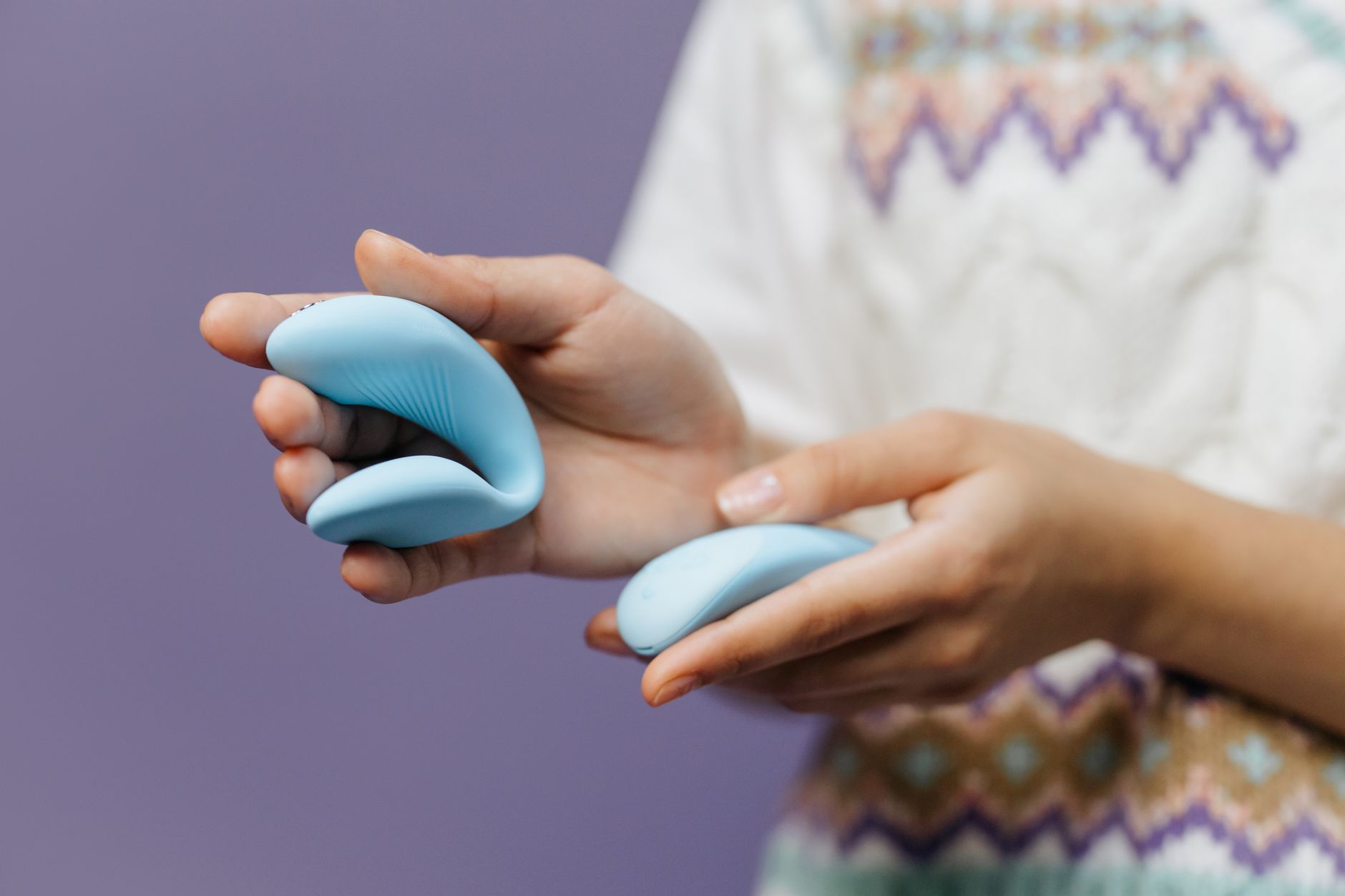
There's something about a lemon clitoral vibrator that makes this easier than you think. The Lem, specifically, is small, elegant, and unapologetically a pleasure tool. It's not trying to hide or apologize for what it is. That matters because it gives you permission to talk about it the same way.
When you're introducing a new partner to your pleasure preferences, you're not asking permission. You're sharing information about your body and what makes it feel good. A lemon vibrator, because it's designed specifically for clitoral stimulation and because the technology is genuinely different from what a partner's fingers or mouth can do alone, is an easy entry point for that conversation.
The pattern of stimulation is something no person can replicate exactly. That's not a criticism of them. That's just the physiology. Which means introducing the vibrator isn't a reflection on your partner's ability or attractiveness. It's about expanding the menu of sensations you both get to experience.
The conversation itself: when and how
Timing matters more than you think. Don't bring this up mid-sex. Don't spring it on them when things are already heading in that direction. Instead, pick a moment when you're both clothed, relaxed, and not about to have sex in the next thirty minutes. This gives you space to be matter-of-fact about it.
Here's a template that works:
"I want to tell you something about my body that I think will make sex better for both of us. I have a lemon vibrator that I use. The sensation is something I respond to really intensely, and I'd like to use it when we're together. I'm not telling you this because anything's wrong. I'm telling you because I want you to know what actually gets me there, and I want you to be part of that."
That's it. You're not asking. You're informing. You're making space for them to respond, but you're being clear that this is something you do.
If they ask questions, answer them simply. "Does that mean you don't like what I do?" Answer: "No. It means my body responds to this specific pattern, and I want to include it so I can have better orgasms. You'll be part of that." "Will you still want me?" Answer: "Obviously."
The first time actually matters less than you think
Introduce the vibrator when you're both feeling generous and curious, not when one of you is already in a vulnerable position. One good way to do this is to use it solo while they're present and watching, so they can see what the sensation looks like on your body. This removes a lot of the mystery and actually turns it into something you're sharing rather than something you're doing to them.
Another approach: tell them you'd like them to be the one holding it. That shifts the dynamic from "she wants something other than him" to "they're doing something together." For many partners, especially newer ones, that feels collaborative rather than comparative.
Whatever you choose, the moment itself will probably feel a bit more awkward than you hope. That's normal. Sex with someone new is always a little awkward because you're both figuring out each other's bodies and preferences. A vibrator just makes the conversation explicit instead of leaving it to guessing.
What actually happens during sex
Once you've had the conversation and you're actually in bed, a lemon vibrator works in a few specific ways with a partner:
You're using it solo while they're inside you. This is common and works beautifully because you get the clitoral stimulation that drives your orgasm, and they get the sensation of being inside you while you're getting off. It's collaborative, not separate.
They're using it on you while you're together. This requires a bit of coordination, but it means they're actively involved in bringing you pleasure in this new way. Some partners find this hot because they get to watch what works and because they're participating in your pleasure.
You're using it and they're not involved directly. Sometimes newer partners are still building comfort, and that's okay. The point isn't their involvement. The point is your orgasm. If using your lemon vibrator while they're present but not directly touching you feels right, that's completely valid.
The stuff nobody talks about but everyone wonders
Will they feel rejected if I need a vibrator? Not if you frame it correctly. You're not replacing them. You're adding something to what already exists. Think of it like how a partner might feel good in their body after a massage, but that doesn't mean you didn't love holding them before the massage.
Will they feel inadequate? Only if you make it about comparison instead of addition. The conversation is where this lives. If you say, "I need this because you're not enough," that's a problem. But you're not saying that. You're saying, "This is how my body works, and I want you here while I experience it."
Will it ruin the spontaneity? Maybe for the first few times. After that, it becomes part of your sexual rhythm together, same as any other preference. Some couples end up with a vibrator on the nightstand like lube, just part of the setup.
Will I come faster and leave them behind? Maybe. That's actually a conversation to have: do you want to focus on your orgasm first, or does simultaneous orgasm matter to you both? There's no right answer, but knowing what you each want prevents resentment later.
How a lemon clitoral vibrator changes the dynamic
What's specific about using a lemon vibrator, as opposed to other toys, is that it's designed for external clitoral stimulation with a suction pattern that feels distinct from vibration alone. That specificity actually makes the conversation easier because you're not talking about penetration or internal sensation. You're talking about the external part of your pleasure in isolation.
Many new partners find this less threatening than, say, an internal vibrator or dildo, because there's no ambiguity about what it does or where it goes. It's straightforward. It's for your clitoris. It makes you feel good. That clarity can actually speed up the comfort level.
If they react badly, that's information too
I'm going to be direct: if someone makes you feel ashamed for wanting a vibrator or for knowing your own body well enough to ask for what works, that's not the person you want to be building a sexual relationship with. Full stop.
A partner who loves you wants you to have good orgasms. That's not negotiable. A partner who sees a vibrator as competition or as a personal failure is showing you something important about how they think about your pleasure, and it's worth paying attention to.
You don't have to convert anyone or prove that you're right. You just get to decide if their reaction is compatible with the kind of sexual relationship you want.
The part that actually changes
Here's what tends to happen after the first time using a lemon vibrator with a new partner: they often ask when you want to use it again. Or they suggest it. Or they get curious about the different patterns it has. What felt loaded in anticipation becomes just a normal part of how you two connect physically.
That shift happens because you've normalized it. You've made it clear that this isn't a crisis. It's information about your body, communicated without shame or apology.
Sex with someone new is always part vulnerability, part experimentation, part learning each other. A lemon vibrator isn't a detour from that process. It's just being honest about what makes you feel good and inviting them to be part of it.
People also ask
How do I know if my new partner will be okay with me using a lemon vibrator?
You don't until you ask. But here's what helps: people who are genuinely interested in your pleasure are usually relieved to have clear information about what works for you. They might need a moment to adjust to the idea, but most partners appreciate knowing what actually gets you there instead of guessing. If someone reacts with shame or rejection, that's useful information about compatibility.
Can I use a lemon vibrator if my partner and I haven't talked about toys yet?
Absolutely. You don't need permission or a long history together to know your body and use tools that make you feel good. That said, using it with a partner present is worth a conversation first, just so there's no surprise. The conversation doesn't have to be long or formal. "I want to use my lemon vibrator when we're together because it helps me have better orgasms" is enough.
What if my new partner wants to use the lemon vibrator on me but doesn't know how?
Show them. The Lem has a few different patterns, and what feels good to you might take a little exploration. The fact that they're willing to learn is actually a good sign. You can guide them: "A little higher," "Try pattern three," "Just hold it steady." Most partners are happy to have explicit direction about pleasure.
Does using a lemon clitoral vibrator with a partner mean I don't enjoy sex without it?
Not at all. You might have amazing sex sometimes without the vibrator and amazing sex sometimes with it. Your body responds to different things in different moments. Neither option is better. They're just different. If you need the vibrator to orgasm with a partner, that's also completely normal and not a sign of anything wrong with you or them.
What if I'm afraid my new partner will judge me for wanting a lemon vibrator?
That fear is worth taking seriously, but not as a reason to hide who you are. Instead, use it as information. If you're afraid someone will judge you for your body and what it needs, you're probably picking up on something real about how they view pleasure or sexuality. That's worth exploring before you get more invested. And if it's just first-time vulnerability, that usually settles down after you've had the conversation and seen that they don't actually care.
Can I introduce a lemon vibrator without making it weird?
Yes. The thing that makes it weird is treating it like a secret or making it a big confession. When you talk about it the same way you'd talk about lube or condoms, it's just practical information. When you use it without apology, it becomes normal. Weirdness usually comes from shame, and you don't have anything to be ashamed of.
What comes next
Introducing a lemon vibrator to a new partner is really about three things: knowing your body, communicating what you need, and finding a partner who's genuinely interested in your pleasure. That's the foundation of good sex at any stage of a relationship.
If you're looking for more on how to navigate pleasure conversations with new partners, our guide to <a href="/blog/how-to-use-lemon-vibrator-for-better-pleasure-with-a-new-partner">using a lemon vibrator for better pleasure with a new partner</a> goes deeper into the intimacy side. And if communication around desire feels shaky, our piece on <a href="/blog/how-to-introduce-a-lemon-vibrator-to-your-partner-without-awkwardness-2">how to introduce a lemon vibrator to your partner without awkwardness</a> covers the ground-level conversation tools.
Your pleasure matters. Full stop. The right partner will get that.