Let's be real about hormonal shifts and pleasure
Your hormones change. Your body's response changes with them. Your capacity for pleasure? That stays exactly where it was. The gap between those two truths is where most people get lost.
Science & Technique
Your body changes with hormones. Your pleasure doesn't have to. A guide to adapting technique, timing, and tools when arousal feels different.
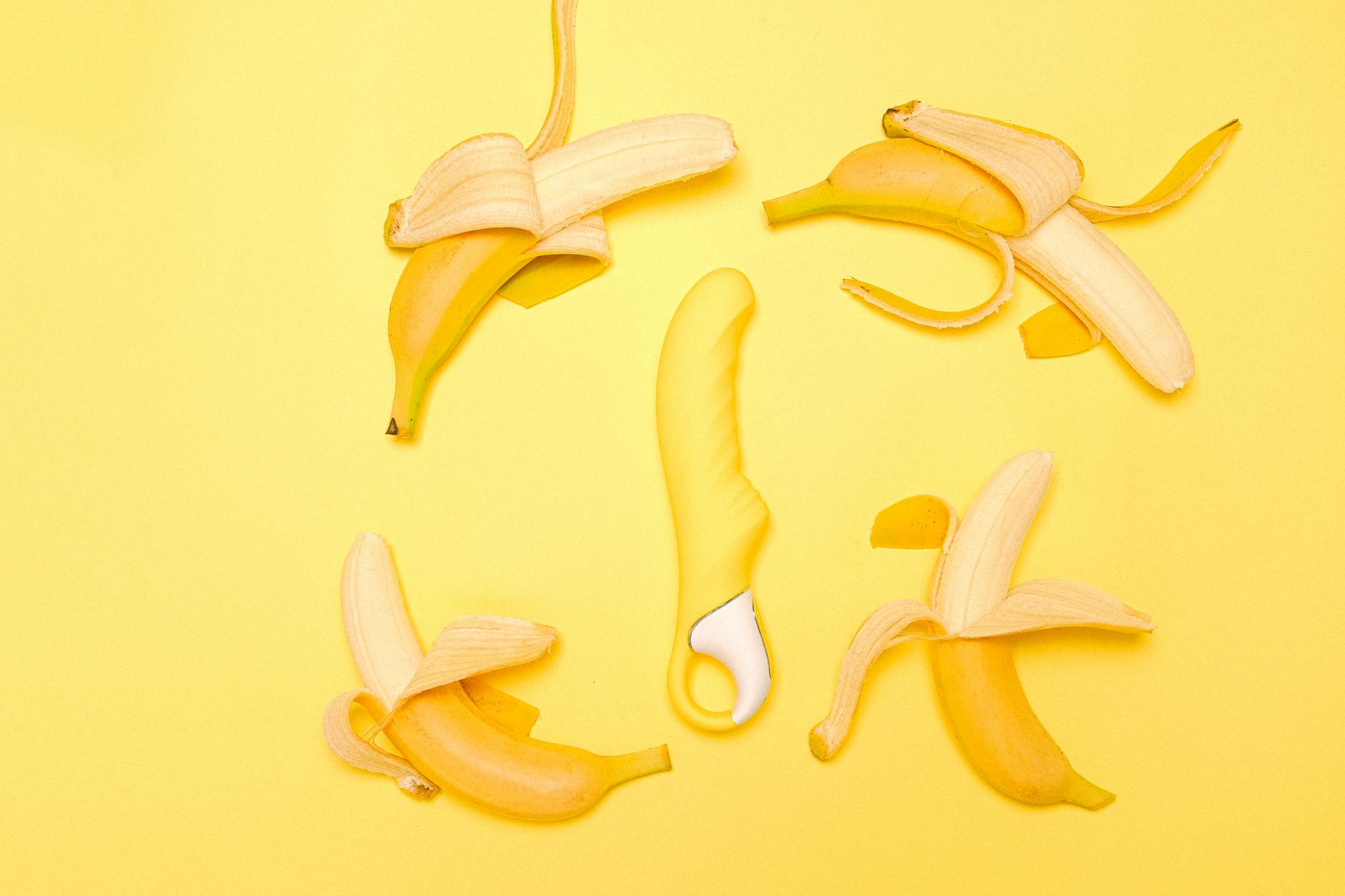
Your hormones change. Your body's response changes with them. Your capacity for pleasure? That stays exactly where it was. The gap between those two truths is where most people get lost.
I work with clients navigating perimenopause, postpartum recovery, hormonal birth control switches, and medical transitions. The pattern is always the same: something feels different, they assume something's broken, and they stop trying. What they usually need is a technique adjustment, not a therapist.
Lemon clitoral vibrators, specifically the suction-style design of devices like the Lem, work brilliantly during hormonal shifts because they don't rely on friction intensity or direct pressure. They stimulate nerves through gentle suction instead. That matters more than you'd think.
Estrogen and testosterone both drop at different points. Low progesterone changes mood and blood flow. High estrogen in your cycle boosts lubrication and arousal speed. Here's what shifts:
Blood flow to the clitoris slows slightly. This means arousal takes longer to build. You're not less responsive; you're just responding on a different timeline. A 5-minute warmup might become 15.
Lubrication patterns change. You might produce less natural lubrication, or it comes later in arousal. This is the least mysterious part: use water-based lube. Done.
Tissue sensitivity fluctuates. Sometimes the clitoris feels more sensitive (good for pleasure). Sometimes it feels almost numb (frustrating, temporary, fixable).
Orgasm sensation shifts. Many people report orgasms feel different but not worse. Some describe them as more internal, more concentrated, or slower to build. Others say they're more intense than before.
What does NOT change: the neural pathways for pleasure, the clitoral nerve density, or your brain's capacity for arousal. You're not broken. You're operating with a different instruction manual.
Traditional vibrators rely on high-frequency vibration against sensitive tissue. For bodies navigating hormonal changes, this can feel either too intense or not intense enough, depending on the day.
Lemon suction-style vibrators (like Hello Nancy's Lem) use a different mechanism. They create gentle suction and release patterns that stimulate the clitoris without direct pressure. This approach has several advantages when hormones shift.
First, precision without pain. You're not grinding the toy against tissue that might be more delicate. You're creating a seal and letting the suction do the work. This matters especially if your tissue sensitivity is unpredictable.
Second, the sensation is less dependent on lubrication. With suction, a bit of lube is nice but not essential. With friction vibrators, inadequate lubrication turns pleasure into discomfort fast.
Third, intensity is easier to control. Most lemon clitoral vibrators offer multiple pattern speeds. You can start low and build, which suits hormonal bodies perfectly. No surprises, no jarring intensity.
I recommend a three-phase approach when hormones are unpredictable.
Phase 1: Extended foreplay. Budget 15-20 minutes minimum. This isn't forever; as your hormones stabilize, you might shorten this. But right now, your arousal needs runway. Touch yourself, let your mind wander, whatever gets you mentally ready. Blood flow takes time to arrive at the right places.
Phase 2: Start with the lemon vibrator on the lowest setting. Don't chase intensity. Let your body tell you when you're ready to increase. Many people skip this step and wonder why nothing works. Your clitoris needs time to wake up. The suction mechanism on lemon vibrators is gentler than you'd expect, which means you can start lower and let sensation build gradually.
Phase 3: Adjust based on what you feel, not what you think you should feel. If you're not feeling much, it might be timing (too soon in your cycle), hydration (drink water), stress (hard to fix in the moment, but worth noting), or simply that today isn't the day. That's okay. Orgasm isn't the only measure of pleasure.
Let's talk about the physical part. A lemon-shaped clitoral vibrator sits directly over your clitoris. The suction mechanism creates a gentle pulse. Here's the real technique:
Start with the toy off your body. Warm up your clitoris first with your fingers or a partner's touch. When you're ready, place the opening of the lemon vibrator directly over your clitoris, then turn it on.
The suction will do most of the work. You don't need to thrust it or move it around. Some people enjoy very slight rocking motions; others prefer to stay completely still. Let your body guide you.
If sensation feels too intense, move the toy slightly to the side so it's stimulating the area around your clitoris rather than directly on it. This is a game-changer for people navigating hormonal sensitivity. You get the pleasure without overwhelm.
If sensation feels too subtle, make sure you have a good seal between the toy and your body. Lube helps here. Some people also find that increasing the pattern speed matters more than you'd expect with suction toys.
Your cycle (whether you menstruate or not) affects pleasure. Here's what I see clinically.
High-estrogen phases (usually days 7-14 of your cycle if you menstruate): You probably lubricate easily, arousal builds faster, and sensation feels sharper. This is when a lemon clitoral vibrator often feels most pleasurable. You might prefer higher intensity settings.
Low-estrogen phases (days 1-7 and after ovulation): Arousal takes longer. You might need more lube and longer warmup. This is when you benefit most from the gentleness of suction-style toys.
If you're not menstruating anymore, hormonal shifts are usually slower and more stable. But that doesn't mean sensation stays the same. Stress, hydration, sleep, and relationship dynamics still move the needle.
Tracking what works when gives you a roadmap. After two or three cycles, you'll notice patterns. Use that information to plan pleasure intentionally instead of hoping it happens.
Hormonal changes often show up as mood shifts, anxiety, or lowered confidence. This is not imaginary. Progesterone affects GABA in your brain. Low serotonin makes anxiety feel more intense. These neurological shifts touch sexuality.
If you're feeling anxious, self-conscious, or disconnected during a time when you're also navigating hormonal changes, that's data. It doesn't mean something's wrong with you sexually. It means you might need a different context for pleasure.
Some people benefit from focusing on sensation rather than orgasm when hormones are shifting. Instead of goal-oriented play with a lemon vibrator, try exploring what sensations feel good without the pressure of finishing. This sounds soft, but it actually rewires your nervous system to recognize pleasure more broadly.
If pain shows up during sex, don't wait and hope it passes. Talk to a doctor. Hormonal changes can cause genitourinary syndrome, and that's treatable. Topical estrogen or even brief systemic hormone therapy can help. This isn't failure; it's information.
If pleasure has completely flatlined and isn't returning after a few months, that's worth exploring with a therapist or doctor too. Sometimes hormonal shifts uncover relationship issues or trauma responses. Sometimes it's genuinely just neurological. Either way, talking to someone helps.
If using a lemon vibrator consistently brings you pleasure and you're learning your body better, that's working. Keep going. Pleasure is a skill that improves with attention.
Completely. Hormonal birth control changes your arousal patterns just like your natural cycle would, but usually more predictably. You might notice that pleasure feels consistent instead of cyclical. Lemon clitoral vibrators work with whatever hormonal state you're in.
Not universally, but often yes. Suction toys are gentler on delicate tissue and don't rely on friction intensity. That makes them easier to control and less likely to cause discomfort when hormone-related sensitivity is high. Try one and notice what your body tells you.
Usually a few weeks to three months. Your nervous system needs time to recognize new sensations as pleasurable. If you're expecting the same response as before, you'll feel disappointed. If you approach it as learning something new, it's usually faster.
Absolutely. Stress tightens your pelvic floor and floods your nervous system with cortisol, which reduces arousal. A lemon vibrator is a tool, not a magic wand. If you're stressed, the best technique is addressing the stress first. A warm bath, breathing work, or genuinely resting before play helps more than forcing it.
Completely normal. Orgasms might feel more localized, take longer to build, feel more internal, or arrive differently. This isn't worse, just different. Some people report that post-hormonal-shift orgasms are actually more satisfying because they require more presence and attention.
Yes, even if you're lubricating naturally. Extra lube makes the suction work more smoothly and reduces any friction-related discomfort. Water-based lube is your friend. It won't damage the toy and works with your body's chemistry.
Hormonal shifts change how your body responds to pleasure. They don't change your right to have it. A lemon vibrator designed for suction rather than friction meets your shifting body where it is. Technique matters more than before, but that's not bad. It means you get to learn your pleasure more deeply.
Your pleasure evolves with your hormones. Tools like Hello Nancy's lemon clitoral vibrators evolve with it. That's the whole point.