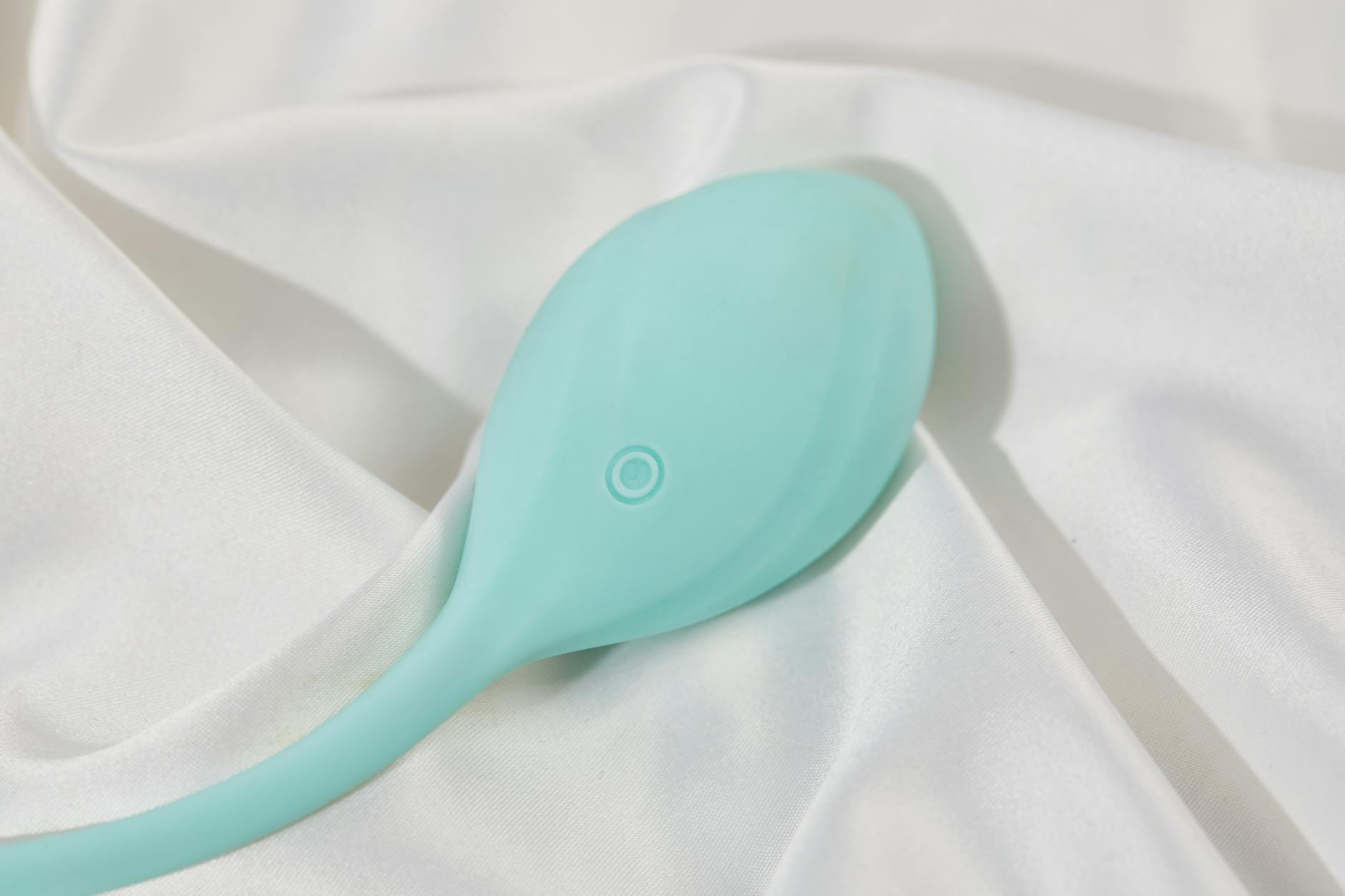
How to Use a Lemon Vibrator for Clitoral Orgasms When You Have Endometriosis
Endometriosis rewires your pelvic pain signals. A lemon clitoral vibrator can work beautifully for you. here's exactly how to navigate it safely and find orgasms without triggering flare-ups.
If you have endometriosis, pleasure doesn't stop. But the path to it changes. Your nervous system has learned to flag the pelvis as a threat zone, which means traditional penetration, deep pressure, or fast intensity can trigger pain signals that kill arousal. A lemon clitoral vibrator sidesteps this entirely. It focuses stimulation on the clitoris, which sits outside the endometriosis pain map for most people, and the suction mechanism bypasses the kind of sustained pressure that can aggravate inflammatory tissue.
The catch is knowing how to use it right. Speed isn't your friend here. Pain sensitivity isn't your weakness. You're just working with different wiring.
Endometriosis is scar tissue that grows outside the uterus, usually on the pelvic organs, fallopian tubes, and sometimes the bowel or bladder. During your cycle, this tissue bleeds internally, triggering inflammation, adhesions, and sometimes intense localized pain. But here's what matters for pleasure: the condition sensitizes your pelvic floor and the nerves running through it. That sensitivity means two things happen.
First, your brain starts protecting the pelvic region preemptively. You might notice that even gentle touch feels overwhelming or triggers a pain response that doesn't match the physical stimulus. That's your nervous system being hypervigilant, not your body being broken.
Second, arousal takes longer to build because your parasympathetic nervous system (the one that handles relaxation and pleasure) has competition from your sympathetic system (fight-or-flight). The two are literally fighting for dominance in your pelvis. A lemon vibrator, because it works through gentle suction rather than vibration alone, can shift that balance by reducing the need for the intense pressure that triggers protective responses.
A traditional vibrator works through oscillation, which means repetitive back-and-forth movement. This feels intense and can overstimulate already-sensitized nerve endings. A lemon sucker uses gentle suction and pulsing patterns that stimulate without the aggressive mechanical pressure. The difference is huge for anyone with pelvic pain.
Second, the clitoris itself is rarely affected by endometriosis lesions. It sits anatomically separate from the reproductive organs, so stimulating it directly bypasses the inflammation zones. You're activating pleasure pathways that haven't been wired into the pain response.
Third, the suction sensation feels gentler and more diffuse than vibration. Instead of creating intense focused stimulation, it creates a building, rolling sensation. For people with endometriosis, this matches arousal patterns better. You don't get the sharp intensity that triggers a protective flinch.
If your endometriosis is cycle-based, pain typically peaks around menstruation and ovulation when hormone fluctuations trigger inflammation. This doesn't mean you can't use a lemon vibrator during these windows, but it means your nervous system will be more reactive. Plan exploration during the low-pain phases of your cycle. These usually fall in the week after your period ends and the week after ovulation.
That said, some people with endometriosis find that gentle clitoral stimulation during pain flares actually helps reduce the intensity. Orgasms trigger the release of endocannabinoids and endorphins, which act as natural pain relievers. If you want to experiment during a flare, start at the lowest intensity and go slower than you would otherwise. Your body will signal what it needs.
Avoid high-stress or flare-heavy days entirely. Your nervous system is already in overdrive.
Here's the step-by-step that my clients with endometriosis report as most effective.
Step 1: Start with a full body warm-up. Spend 10-15 minutes on non-pelvic touch. A warm bath, gentle massage of your neck and shoulders, or soft music activates your parasympathetic system before you introduce any genital stimulation. This primes your nervous system to recognize pleasure instead of threat.
Step 2: Begin on the lowest intensity setting. Don't skip this. Your clitoris has nerve density comparable to the head of a penis, but your pelvic floor's heightened sensitivity means you're starting from a different baseline. Let your body orient to the sensation at pattern 1 or 2 before you move anywhere.
Step 3: Position the vibrator with the opening centered over the clitoral head, not pressed hard against it. The suction should feel like a gentle hug, not a vacuum. Angle slightly if full-on pressure feels too intense. Many people with endometriosis find that applying it to the clitoral hood (the fold of skin covering the clitoris) works better than direct contact.
Step 4: Stay at that setting for 3-5 minutes before considering an increase. Most people without chronic pain jump settings in 30-60 seconds. You're not rushing. Build arousal slowly. Your nervous system needs time to downshift into pleasure mode.
Step 5: If you want to increase intensity, move up one setting at a time and pause again. That rhythm. Slow climb. Your body will tell you when it's ready to escalate, usually through a physical shift: relaxation in your shoulders, deeper breathing, or a sense of mounting sensation.
Step 6: If you feel pain (not intensity, but pain), stop and rest for a few minutes. This is not a challenge to push through. Pain is feedback that your nervous system feels threatened. Respect it. Go back to a lower setting or end the session. Your pleasure doesn't require pain.
Because endometriosis creates inflammation in the deep pelvis, certain positions trigger more pain than others. When using a lemon clitoral vibrator, you have more freedom than with penetrative play, but positioning still matters.
Lying on your back is usually safest because it distributes pressure evenly and doesn't put weight on the pelvic organs. If that feels uncomfortable, try semi-reclining with pillows supporting your lower back.
Avoid positions that press your knees toward your chest or that create deep pelvic compression. That forward fold puts pressure on the organs where endometriosis lesions often hide.
Some people find that shifting the angle of the vibrator slightly changes the sensation profile. If direct application feels overwhelming, angle it toward the clitoral hood or the outer labia. You're mapping what feels good, not finding the "right" spot.
Endometriosis flares are unpredictable. You might have a plan to use your lemon vibrator on a given evening and wake up in pain. This is normal, not failure.
On flare days, your nervous system is already in sympathetic overdrive. Adding genital stimulation can tip the balance further into pain. Instead, you might choose rest, heat, gentle movement, or medication. Pleasure isn't going anywhere. You can come back to your vibrator when your body has resources to engage with it.
Some people find that a different type of touch works during flares. Instead of vibration or suction, slow manual stimulation with plenty of lubrication, or just holding the vibrator against the clitoris without turning it on, can provide sensation without triggering pain responses. Your lemon vibrator has value beyond the motor running.
Endometriosis often correlates with hormonal changes that affect lubrication. Add a good water-based lubricant to every session, even if arousal feels naturally wet. The extra layer of slickness reduces friction and makes the sensation feel smoother rather than intense.
Always clean your lemon clitoral vibrator after use. Endometriosis-related inflammation makes you more prone to yeast infections and bacterial overgrowth, so hygiene is a safeguard. Warm soapy water and air-dry. If you're having a particularly heavy-flow or high-inflammation day, skip vibrator use and wait for a lower-pain window.
Consider hydrating more the day after you use your vibrator. Stimulation can trigger mild inflammation as your nervous system responds to the stimulus, even pleasurable stimulus. Extra water and anti-inflammatory foods (turmeric, omega-3s, leafy greens) help your body recover faster.
If you have a partner, frame the conversation around what you need, not what you can't do. "I want to explore clitoral pleasure using a lemon vibrator because penetration triggers pain right now" is different from "I can't have sex." The first opens doors. The second closes them.
Invite your partner to learn your cycle with you. If flares are predictable, you can plan intimate time during low-pain windows. If they're random, your partner can recognize flare signals (you're moving differently, you're guarded, you're pulling away) and offer presence instead of pressure.
Many partners benefit from understanding that endometriosis-related pain isn't about them or your attraction. It's a nervous system response to inflammation. A lemon vibrator gives you both a way to stay connected during phases when traditional sex isn't comfortable.
Can I use a lemon vibrator if I'm in the middle of an endometriosis flare?
You can, but most of my clients find it uncomfortable. During a flare, your pelvic organs are actively inflamed and your nervous system is in protection mode. Even gentle clitoral stimulation can feel overwhelming. If you want to try it, start at the absolute lowest setting and stop the moment you feel pain, not pressure. Most people do better waiting for a low-pain window. Your pleasure isn't a race.
Does using a lemon clitoral vibrator make endometriosis worse?
No. Gentle clitoral stimulation doesn't create lesions or worsen the disease itself. However, aggressive stimulation or stimulation during a flare can trigger pain and inflammation, which feels like the condition is worsening even though the underlying tissue damage hasn't changed. The key is matching intensity to your nervous system's capacity in that moment.
How much lubrication should I use with endometriosis?
More than you think. Water-based lube is your friend. Use enough that the vibrator glides without friction. Friction creates irritation, and your tissue is already sensitized. Reapply mid-session if it starts to feel dry. There's no such thing as too much lubricant when you're managing chronic pain and pleasure together.
Will an orgasm trigger an endometriosis flare?
Rarely, though it can happen. Orgasms involve uterine contractions, which can be uncomfortable if your uterus is actively inflamed. Some people find that orgasms during low-pain windows feel restorative and don't trigger new symptoms. Others notice mild cramping afterward. This is individual. If you notice a pattern, adjust your timing to avoid the highest-inflammation days.
Can I use my lemon vibrator if I'm on hormonal birth control for endometriosis?
Absolutely. Birth control suppresses ovulation and reduces inflammation, which usually creates a broader window for comfortable pleasure. You might find that pain patterns become more predictable, making it easier to plan intimate time. Continue using it as you normally would.
What settings work best for endometriosis?
Start low and go slower than you would without chronic pain. Most of my clients with endometriosis find patterns 1 through 4 sufficient. The goal isn't maximum intensity. It's building arousal in a way that doesn't trigger your nervous system's alarm bells. You might never need the highest settings, and that's completely fine.
Endometriosis is a pain condition that lives in your body without your permission. Using a lemon vibrator isn't about pushing through it or pretending it doesn't exist. It's about reclaiming pleasure on your own terms, in your own window, at your own pace. Your clitoris doesn't have endometriosis lesions. Your capacity for orgasm hasn't changed. You're just using a different map to get there. That's not compromise. That's strategy. If you want more support navigating pleasure and chronic pain together, reach out at /contact.
This post was informed by clinical research on pelvic pain, endometriosis nervous system sensitization, and sexual function. If you're managing endometriosis and experiencing sexual pain, consulting a pelvic floor physical therapist or sex therapist alongside your gynecologist creates the most comprehensive support.