How to Use a Lemon Vibrator if You Have Arthritis or Joint Pain
Arthritis doesn't mean your pleasure has to stop. Here's exactly how to adapt your technique and positioning with a lemon clitoral vibrator when your hands or joints hurt.
Arthritis isn't just about joints. It's about power, control, and the small negotiations you make with your body every day. When arthritis shows up in your hands, wrists, or shoulders, one of the first things people stop talking about is sex. Not because desire disappears. Because the mechanics suddenly feel impossible.
Traditional vibrators require grip strength. You're holding something, positioning it, managing the weight and angle all at once. With arthritis, that's a recipe for pain followed by days of regret.
A lemon clitoral vibrator is designed differently. It's lighter than most vibrators, roughly the weight of a lemon (hence the name). But the real advantage is the shape and suction mechanism. You don't grip it. You position it, and the suction does the work. That distinction matters when your hands hurt.
Here's what that means physiologically: instead of requiring sustained grip pressure, you're managing angle and contact surface. Your fingers and wrists get a break. Your pleasure doesn't.
First thing: forget holding it like a traditional vibrator.
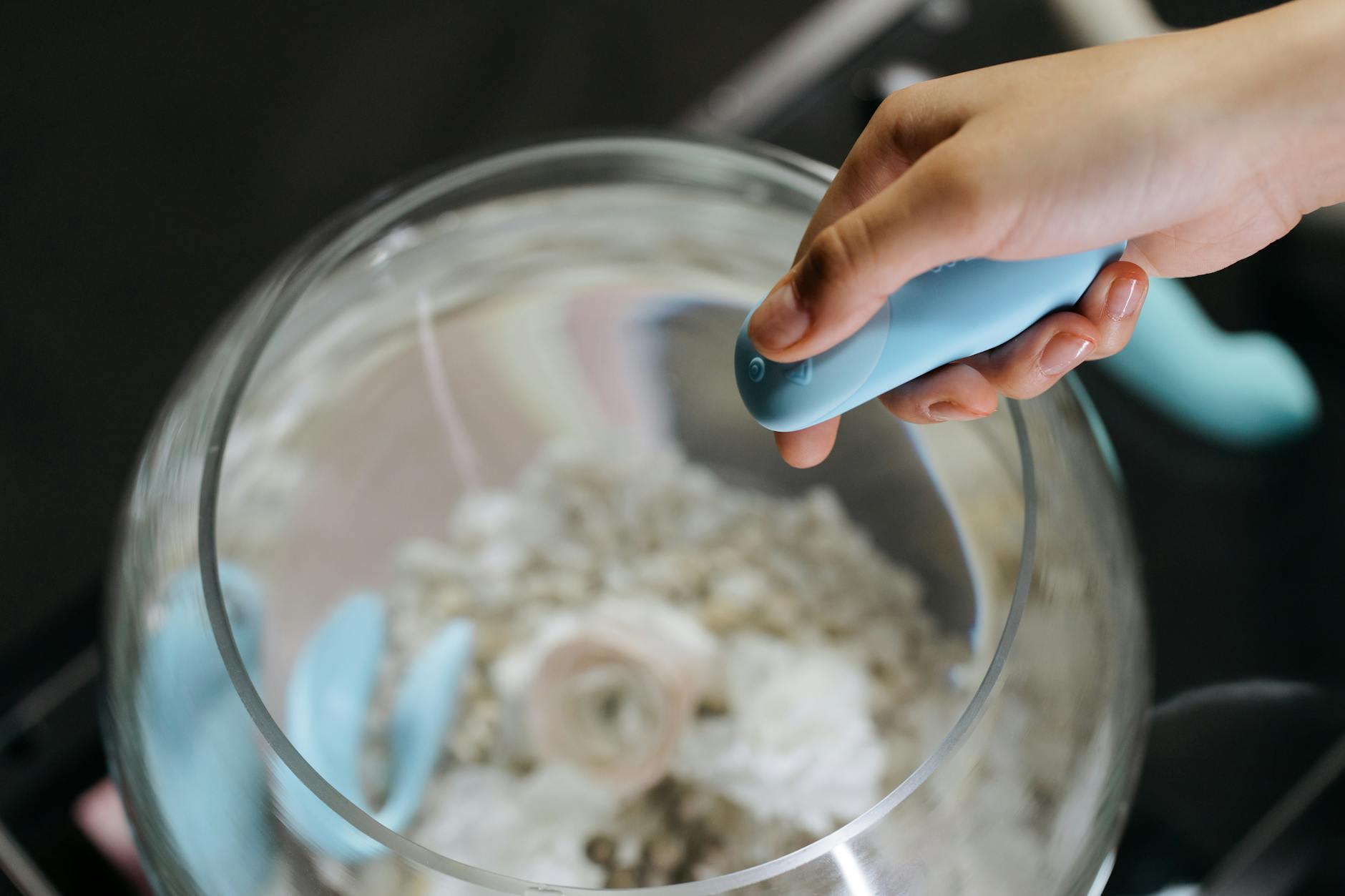
Instead, cradle it. Cup the base in your palm with your fingers relaxed, not gripping. Let the wider body of the lemon vibrator rest in your hand, distributing weight across your entire palm rather than concentrating force in your fingers. This is gentler on arthritic joints because it uses larger muscle groups instead of smaller, more vulnerable ones.
If even cradling feels like too much pressure, try this: position the vibrator between your thighs and let your legs hold it. Angle it upward toward your clitoris. Your adductor muscles (the muscles on the inner thigh) are strong and don't typically bear the brunt of arthritis. Using them as the primary contact point lets your hands rest completely.
Another option: use a small pillow or folded towel to prop the vibrator at the angle you want. Lying back, you can rest your hand on top of the device without gripping, just guiding. The pillow does the supporting work.
Lying on your back is usually the easiest because gravity isn't fighting you. Your shoulders, elbows, and wrists all stay neutral. Position pillows under your knees to support your lower back, which takes pressure off your hips and pelvis.
Semi-reclined (propped on an elbow or two pillows) is the next best option. You get some visual access and can guide the vibrator easily without straining your shoulders or neck.
Avoid anything that requires you to be upright and holding the device simultaneously. That forces your arms to stabilize your own weight plus manage the vibrator. With arthritis, that's a fast path to pain.
If you're partnered, this is a moment to ask for help. A partner can hold the lemon vibrator while you focus on what feels good. You're not giving up control. You're being strategic about which joints get tired.
A lemon vibrator's suction mechanism works best at specific angles. Unlike traditional vibrators, which work at almost any angle, a lemon clitoral vibrator needs to create a seal. Too much angle and you lose suction. Too little and it can feel awkward.
The sweet spot is usually around 45 degrees. Tilt the vibrator slightly downward and inward, so the opening sits firmly against your clitoris but isn't pressing upward into your pubic bone.
Why this matters for arthritis: finding the right angle means you don't have to adjust constantly. You're not gripping and re-gripping, shifting and re-shifting. You position it once, settle in, and let the device do its job. Less movement means less joint stress.
When joints hurt, your nervous system is already stressed. Pain signals are firing. Adding high-intensity vibration on top of that can feel overwhelming or even painful in ways that don't feel good.
Start on pattern 1 or 2 with a lemon vibrator. Let your body acclimate. You're not sacrificing sensation. The suction mechanism of a lemon clitoral vibrator delivers intense stimulation even at lower intensities because it's a different kind of stimulation than traditional vibrators offer.
As your nervous system relaxes and your arousal builds, you can increase intensity gradually. This also means less gripping and less pressure from your hands, since you're not compensating for low sensation by squeezing or positioning more aggressively.
Arthritis often flares at certain times. Usually mornings are worse. Evenings are often better. Some people find that cold, damp weather makes joints angrier. Others have a cycle related to their cycle.
Plan pleasure around your body's best hours. If your hands are least stiff at 7 p.m., that's when you explore. If mornings make you want to cry, don't schedule sex for then. This seems obvious, but most people ignore it.
Timing also matters for other reasons. Warmer joints are more flexible. A hot shower before sex often makes arthritis-related pain less acute. Not just psychologically, but physically. Warmth increases blood flow and reduces stiffness.
If positioning gets too complicated or you're in a flare, hands-free options exist. A small suction cup mount can attach a lemon vibrator to tile, glass, or a smooth surface, freeing your hands entirely. You control the experience by moving your hips and body, not by gripping or positioning a device.
This is not a workaround. It's an upgrade. Many people with arthritis report that hands-free options feel more intense, more focused, and more pleasurable because their nervous system isn't divided between managing pain and receiving pleasure.
If you're in a partnership, your arthritic joints are not your partner's problem to solve. But they are a conversation to have.
What helps: "I want to keep this part of us alive. Here's what my body needs right now." What doesn't help: silence or frustration. Partners who understand your body's limitations can become collaborators instead of bystanders.
This might mean your partner holds the vibrator sometimes. It might mean you explore positions you've never tried. It might mean slowing down and being more intentional. None of that diminishes the experience. Lots of people find that adapting to arthritis actually deepens intimacy.
Here's a critical distinction: good pressure and bad pain feel different, even though they might look the same.
Good pressure feels focused, intentional, and builds toward pleasure. Bad pain feels sharp, shooting, or progressively worse. If you're experiencing sharp pain in your joints during or after sex, stop. You've hit a limit. A different position, different angle, or different day might work better.
Arthritis pain is already there. Your job is to find positions and techniques that don't amplify it. A lemon vibrator is a tool. The right tool, used the right way, can actually reduce overall strain on your joints.
Yes, absolutely. Many people with arthritis find that vibrators actually improve their sex life because they reduce the physical demands on arthritic joints. The key is choosing a device designed for ease of use (like a lemon clitoral vibrator) and adapting your technique to your body's needs.
Not if you're using proper technique. The risk comes from gripping too hard, maintaining awkward positions, or pushing through sharp pain. A lemon vibrator is particularly low-risk because you don't need to grip it firmly. Rest your hands, use props, and listen to your body.
Wrist arthritis changes things because even cradling the vibrator can hurt. In that case, hands-free options are your friend. Suction cup mounts, positioning between your thighs, or asking a partner to hold the device are all excellent alternatives. You're not giving up pleasure. You're being smart.
Most people find that a warm shower or warm compress before sex feels better. Warmer joints are more flexible and less stiff. It also helps you relax, which makes the whole experience more enjoyable. Just wait until you're dry before using your lemon vibrator.
Definitely. That's actually when hands-free positioning becomes most valuable. Mounting the vibrator or positioning it between your thighs or legs lets you receive full pleasure without needing grip strength at all. This isn't a limitation. Many people without arthritis prefer it.
Pay attention in the hours after. If your joints feel angrier the next day, you pushed too hard or positioned yourself awkwardly. If you feel fine or better, you found a good approach. Everyone's arthritis is different, so your body is the most reliable guide.
Arthritis is a real constraint on your body. But constraint doesn't mean stopping. A lemon clitoral vibrator, used thoughtfully, can actually make solo pleasure and partnered sex easier. The shape, the weight, the suction mechanism all work in your favor if you adapt your grip, your positioning, and your communication. Your joints matter. Your pleasure matters too.