Let's talk about the thing nobody mentions at the pharmacy
Antidepressants save lives. They also kill arousal for a lot of people. And most doctors hand you a prescription, send you on your way, and never mention that sexual side effect exists. Which means you're left thinking you broke something, or your partner's no longer attractive, or desire just... evaporates. It doesn't. The medication does that. And knowing that difference is where this conversation starts.
Why SSRIs flatten pleasure
Selective serotonin reuptake inhibitors (SSRIs) work by increasing available serotonin in your brain. Good news for mood and anxiety. Bad news for arousal. Here's the mechanism: serotonin inhibits dopamine in the pathways that trigger sexual desire. More serotonin, less dopamine, less wanting. The drug also blunts sensation overall because it reduces how intensely your nervous system registers stimulation. You're not broken. Your nervous system is literally working more slowly.
The lag time matters too. Many people don't notice arousal changes until week three or four of a new SSRI. By then, you've already started the medication for good reasons and stopping isn't an option. This is when most people just... accept it. Resign themselves to lower desire. Stop initiating.
That resignation is the part I want to interrupt.
The actual problem is that sensation gets quieter
Let me separate two things that everyone confuses: desire (wanting sex) and sensation (feeling touch). SSRIs attack both, but in different ways. Your brain wants sex less. Your body also feels touch less. A regular vibrator that relies on intense friction doesn't work well when your nerves are muted. It's like turning the volume down on everything. You need more input to register the same feeling.
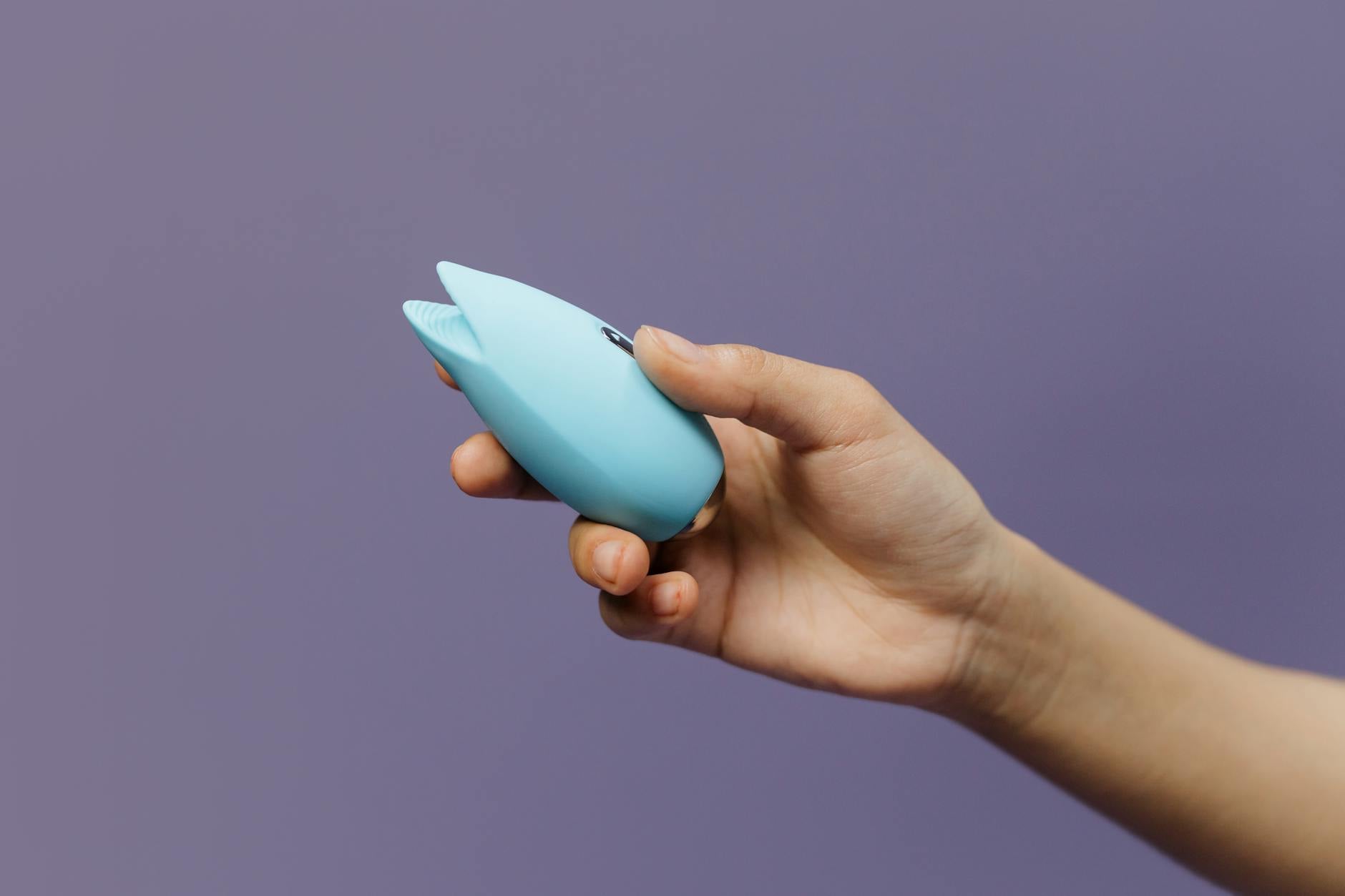
This is where lemon clitoral vibrators shine. Air-suction technology works differently than traditional vibration. Instead of relying on friction, it creates a gentle pulling sensation that stimulates the sensitive nerve clusters around the clitoris without requiring intense sensation to register. For people on SSRIs, this is often the difference between "I feel nothing" and "okay, I can work with this."
Step one: acknowledge the med is worth more than the orgasm
Honestly though, if you're on an SSRI because you need to be, your mental health matters more than your sex drive. Full stop. The conversation isn't "how do I choose between being well and having pleasure." It's "how do I have both." That framing changes everything. You're not sacrificing anything. You're optimizing.
Talk to your doctor about timing. Some SSRIs hit harder at certain times of day. If you take yours in the morning, by evening you might have a small window where sensation's slightly sharper. Same with dose timing and arousal cycles. A good psychiatrist or GP can tell you whether taking your dose at night instead of morning shifts when you're most responsive. Small changes sometimes yield real differences.
Step two: dial down expectations about spontaneity
SSRIs make spontaneous arousal nearly impossible. You won't feel a sudden urge while you're making coffee. That's gone, and grieving that is fair. But what replaces it is accessible and actually better for a lot of people: scheduled pleasure. You decide in advance that tonight you're going to explore sensation. Your brain knows what's coming, can prepare. Your partner (if you have one) shows up intentionally instead of you trying to manufacture desire that isn't there.
This sounds less hot until you realize it means zero pressure. No guilt that you're not in the mood. No weirdness about rejection. You chose the time. You're ready, or at least you're willing to see what happens.
How to use a lemon vibrator on SSRIs
Start with lower intensity patterns. Most lemon clitoral vibrators have several suction levels. If you're on an SSRI and sensation feels muted, your instinct is to crank it to level five immediately. Don't. Start at level one and spend time there. Your nerve endings need patience. They'll respond, but not on the timeline you remember from before medication.
Warm up longer than you did before. Spend 10-15 minutes on external touch, breathing, mental arousal work (whatever gets you engaged: thinking about something hot, being touched by a partner, explicit content, whatever works for you). Sensation is quieter, so you need longer runway. Your body will wake up gradually.
Add lube even if you don't think you need it. SSRI-numbed sensation responds better to additional input. Lube creates more surface contact without creating friction discomfort. Water-based is fine, silicone feels richer if your toy can handle it.
Use it with a partner if that's your situation. Someone touching you elsewhere (your neck, breasts, inner thighs) while you use the lemon vibrator creates multiple simultaneous sensory inputs. Your brain registers more when it's receiving information from several sources at once. Numbing that affects one channel; multiple channels sometimes compensate.
The role of mental arousal when medication numbs sensation
When your body's sensation is quieter, your mind becomes louder. And that's useful. Mental arousal matters more now. Sexualized thoughts, fantasy, anticipation, connection. If you've never paid attention to what actually turns you on mentally, now's the time. Some people find their best experiences on SSRIs come from audio erotica, written stories, or partnered roleplay. Some find it's the opposite: very present, grounded, physical connection with no performance element.
The common thread isn't what you're thinking about. It's that you're thinking about something. Your quieter nervous system needs your brain to carry more of the load.
When to escalate the conversation with your doctor
If arousal issues are genuinely destroying your quality of life, talk to your psychiatrist. Some options exist. Adding bupropion (which increases dopamine) to your SSRI can offset some arousal flattening. Switching to a different class of antidepressant is sometimes possible (some have fewer sexual side effects). Lowering your dose might work if you're on higher medication than you need.
None of these are perfect solutions. All come with tradeoffs. But "I have to choose between mental health and sex" is not actually the choice. There are conversations worth having with your doctor.
Why a lemon vibrator specifically helps more than you'd expect
The architecture of air-suction technology matters here. Traditional vibrators rely on frequency and intensity. Higher speed, more sensation. With numbed nerve endings, you can chase higher and higher vibrations and never quite feel satisfied. You're always climbing. A lemon clitoral vibrator works through suction and pulsing patterns that feel good at lower intensities. You're not chasing sensation. You're exploring rhythm. That's a different experience, and it's often more satisfying on SSRIs because you're not exhausted from constantly turning things up.
Many people report their most consistent orgasms on SSRIs come from lemon clitoral vibrators. Not because they're magic. Because they're designed for bodies that need gentle, sustained input rather than intense friction.
Managing the emotional weight of all this
It's grief. Your sexuality changed. Not because you chose it, but because you needed medication to stay well. That's worth acknowledging. It's also not permanent in the way it feels. Many people find that as they stay on medication, their nervous system adapts slightly. Not back to where it was. Different. You get used to the new pattern, find what works, and pleasure becomes less about recreating what you had and more about discovering what's actually available now.
Talk to your partner about this too. Not "I'm numb and it's depressing." More like: "My arousal works differently now, and here's what actually works for me." Turns out most partners just want to know what helps, not to fix something that was never broken in the first place.
The real truth about antidepressants and pleasure
SSRIs don't end your capacity for orgasm or pleasure. They change the path to it. That's frustrating, especially at first. But it's also an opportunity to learn your body differently. To drop the pressure of spontaneous arousal. To find what actually works for you as you are now, on medication, clear-headed, and well. That version of you deserves pleasure too.
FAQ
Can I take my SSRI at a different time to improve arousal?
Maybe. Timing matters because medication levels fluctuate throughout the day. If you take your dose in the morning, levels are typically highest 2-4 hours after and lower by evening. Some people notice slightly sharper sensation in the hours before their next dose. Talk to your psychiatrist about adjusting timing. They can advise whether switching to evening dosing, or splitting your dose, might help without compromising your mental health management. Don't adjust timing on your own.
Will switching antidepressants fix arousal problems?
Some medications have fewer sexual side effects than others. Bupropion, mirtazapine, and certain tricyclics tend to preserve sexual function better than SSRIs. But switching isn't simple. Your current medication works for your depression or anxiety. A different one might not. The tradeoff between mental health stability and sexual side effects is real and worth discussing with your doctor. For many people, learning to work with the medication they're on proves more sustainable than chasing a perfect drug.
Does a lemon vibrator work better than other toys for SSRI-numbed sensation?
For many people, yes. Air-suction technology (which lemon clitoral vibrators use) creates different sensations than vibration alone. It works well at lower intensities, which matters when sensation is muted. Traditional vibrators sometimes feel like you're chasing harder and harder settings without satisfaction. Lemon vibrators often feel satisfying at moderate settings. But this varies. Some people do fine with any toy if they use it with patience and lube. Try different things and notice what actually lands.
Is low libido on SSRIs permanent?
Not necessarily. Some people adjust over weeks or months. Others find it persistent but manageable. A small percentage find desire returns over time as their body acclimates. Dose also matters; sometimes lowering medication (if your depression allows) improves arousal. The honest answer: it's unpredictable. Work with your doctor, experiment with tools like lemon clitoral vibrators, and give yourself time. Pressure to "fix" it quickly often makes it worse.
Should I tell my partner my arousal issues are medication-related?
Yes, if you have a partner. Not to protect their feelings, but because they probably think something's wrong with them or the relationship. "My body's sensation is quieter because of my antidepressant, and here's what helps" is clarifying. It separates the medication reality from relationship dynamics. Most partners just want to know what works. That conversation is easier than silence.
Can I use a lemon vibrator and still take my medication safely?
Completely. No interaction. The vibrator doesn't affect your SSRI, and your SSRI doesn't make vibrators unsafe. What changes is that patience and lube become your friends, and you might discover that lower-intensity settings feel better than you'd expect. Start slow, notice what actually feels good, and let sensation build gradually. Your nervous system works, just differently now.
Pleasure on antidepressants is real, achievable, and honestly often more intentional and satisfying than the spontaneous kind. You're not broken. Your medication works. And the right tools, timing, and mindset can mean your sexuality survives and thrives alongside your mental health treatment. That's worth the effort.