Let's start with what low libido actually is
Low desire isn't a character flaw. It's a signal that something's off. That something could be stress, medication, hormones, relationship friction, or just burnout wearing a sexy disguise. The problem is that most conversations about low libido focus on fixing your motivation instead of rebuilding your capacity for pleasure. Those are two different things entirely.
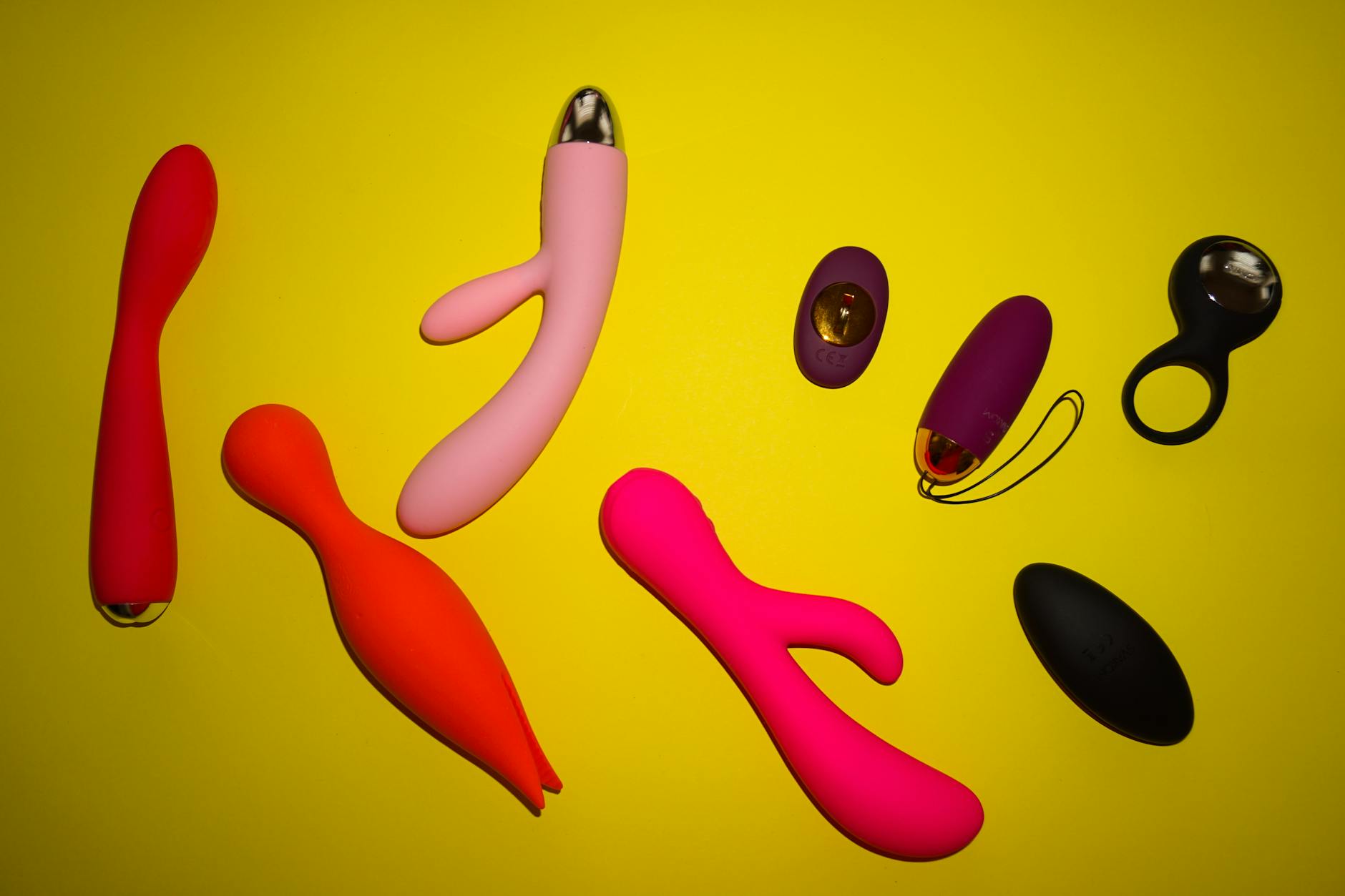
A lemon vibrator, specifically a clitoral vibrator like the Lem, works differently than motivation talks. It doesn't ask you to feel more interested. It asks your nervous system to remember what sensation feels like. And sometimes that's the gateway back to desire itself.
Why sensation comes before desire
Here's the thing that shifts everything: desire and arousal aren't the same thing. You can have one without the other. Most people think they need to want sex first, then the body follows. Actually, it often works backward. Your body wakes up, and wanting follows behind.
This matters because low libido can mean you're disconnected from physical sensation altogether. Not that you're broken. Just that the signal between your nervous system and your brain has gotten quiet. When you're stressed, anxious, or running on empty, your body deprioritizes pleasure. It's a survival mechanism. Useful in a crisis. Terrible when it becomes your baseline.
A clitoral vibrator, especially one with the air-suction technology that Hello Nancy's lemon-shaped toys use, bypasses some of that friction. You don't need desire to start. You just need willingness to lie down for 15 minutes and let a tool do the work your nervous system has stopped doing on its own.
The permission piece (and why it matters)
Low desire often arrives with a load of shame. You're supposed to want sex. Your partner wants it. Society says you should want it. So you don't want it, which makes you feel broken, which makes you want it even less. That cycle is real and it's sneaky.
Using a lemon vibrator on your own is permission in object form. You're saying to yourself: pleasure is allowed, even if I don't feel like it yet. That's not selfish. That's not desperate. That's maintenance, like brushing your teeth when you're tired but know your future self will thank you.
Start with zero pressure. Not "I'm using this to fix my libido." Just "I'm spending 15 minutes with sensation." That frame shift, from goal-oriented to sensation-oriented, changes everything.
Building a routine that doesn't feel like homework
The trap with desire issues is turning pleasure into another item on your to-do list. "Have sex twice a week to fix it." That makes it worse. Instead, build a tiny, sustainable ritual.
Try this: twice a week, at a time when you're not exhausted and the house is quiet. Lie down with your lemon vibrator, maybe some water-based lube, and set a 15-minute timer. No goal. No pressure to orgasm. The only objective is noticing sensation: what feels good, what doesn't, what's surprising.
Don't do this right before bed if you're already depleted. Pick a time when you have 30 minutes of buffer before the next obligation. Your nervous system needs that exhale, not another thing squeezed in.
Many of my clients find that using a clitoral vibrator like the Lem becomes less about performance and more about reconnecting. Some report that after three or four sessions, they start initiating sex again. Not because they forced themselves to want it, but because their body remembered it felt good.
The role of external stressors (and when they matter more)
Sometimes low libido isn't about your body. It's about your situation. You're overworked. Your relationship feels off. You're grieving. You're recovering from something. Using a lemon vibrator can help, but if the underlying thing is unaddressed, you're treating a symptom, not the cause.
Before you assume you have a desire issue, ask yourself: am I stressed? Underslept? In a relationship that feels unsafe? Dealing with health stuff? If the answer is yes, the vibrator is a helpful tool, but it's not the whole answer. Sometimes the kindest thing you can do is acknowledge that low libido is your body protecting itself until the actual problem gets handled.
That said, using a lemon sexual toy on your own can be grounding while you're navigating those bigger things. Pleasure doesn't have to wait for life to be perfect.
When medication changes the equation
Some antidepressants, hormonal birth control, and blood pressure medications genuinely suppress desire. This is documented and it's not your imagination. If you started something new and your libido disappeared, that's worth mentioning to your prescriber. Sometimes switching timing, dosage, or medication helps.
But swapping medications takes time. In the meantime, a clitoral vibrator can help you maintain some connection to your body. Because even if your brain's desire system is muted, your nerve endings still work. Air-suction stimulation on the clitoris can feel good independent of whether you wanted it before you started.
This is another situation where sensation comes before desire. You're not trying to fix your libido. You're reminding your nervous system that pleasure is still available.
Partner conversations (if there is one)
If you're with someone and desire has dropped, the conversation matters more than the vibrator. Your partner might be anxious. They might be taking it personally. They might think you're not attracted to them anymore. None of that gets better by pretending it's not happening.
Using a lemon vibrator solo can actually help here. When your partner sees you reconnecting with pleasure, taking your own sexuality seriously, it often takes pressure off the relationship dynamic. Plus, once you've spent time solo with sensation, you sometimes have more to bring to partnered sex. You know what works. You're not dependent on them to make it happen.
You might also discover that partnered sex feels different once you've spent time with a clitoral vibrator solo. You might realize you want more direct clitoral stimulation, or less, or different pacing. That information is gold in a relationship.
The timeline (and why patience is part of the plan)
Low desire didn't show up overnight. It probably won't resolve overnight either. Most people who rebuild connection to pleasure report that changes start appearing after three or four weeks of consistent, pressure-free exploration. That's not magic. That's your nervous system slowly re-establishing that pleasure is safe and available.
Some weeks you'll want to use your lemon vibrator. Some weeks you won't. Both are fine. The goal isn't consistency for its own sake. The goal is permission, without judgment, to explore sensation when you can.
If after six weeks of gentle, regular exploration your desire still hasn't budged, and the external stressors are handled, that's worth discussing with a therapist or doctor. Low libido can signal hormonal shifts, depression, or relationship things that need actual intervention, not just a vibrator.
But most of the time, permission plus sensation plus time creates movement.
When you do feel desire returning
Sometimes the first sign of returning libido isn't a sudden urge for sex. It's thinking about sex without dread. Or noticing someone attractive. Or, during a solo session with your lemon clitoral vibrator, finding that you're thinking about partnered sex instead of just lying there.
These small shifts are huge. They mean your nervous system is coming back online. Don't miss them waiting for some bigger sign.
Once desire starts returning, you can explore whether partnered sex feels different, whether you want more stimulation, whether you want to introduce your partner to your lemon sexual toy. But that's a separate conversation for a different time.
Right now, the work is internal. The tool is just a helper.
People also ask
Can I use a lemon vibrator if I have no sexual desire at all?
Yes. Desire and sensation are separate. You can use a clitoral vibrator without feeling aroused first. In fact, that's often how people reconnect with desire in the first place. The sensation comes first, and wanting sometimes follows. The goal isn't to feel like having sex. The goal is to notice what physical pleasure feels like when you take pressure off.
How often should I use a lemon clitoral vibrator if I'm trying to rebuild libido?
Twice a week is a good starting point. That's frequent enough for your nervous system to get the signal that pleasure is available, but not so frequent that it becomes another obligation. Listen to your body. Some weeks you might want more, some weeks less. Rigidity defeats the purpose.
What if using a lemon vibrator doesn't help my low libido?
After a month of regular, pressure-free exploration, if desire isn't returning and external stressors are handled, talk to a therapist or doctor. Low libido can signal medication side effects, hormonal shifts, depression, or relationship dynamics that need actual intervention. A vibrator is a helpful tool, not a standalone fix.
Is low libido a sign my relationship is failing?
Not necessarily. Low desire can be about stress, health, medication, hormones, or just burnout. Sometimes it's about the relationship, but sometimes it's about your nervous system being depleted by everything else in your life. The key is separating what's about your body from what's about your situation. Then you can address the actual thing.
Can I use a lemon sexual toy to rebuild desire if I'm on antidepressants?
Yes. Many antidepressants suppress libido, but they don't suppress sensation. A clitoral vibrator can help you maintain physical connection to pleasure while you're on medication that's muting your desire system. Talk to your prescriber about timing, too. Some people find taking their medication at night instead of morning helps.
What makes a lemon vibrator different for low libido compared to other vibrators?
The air-suction technology feels gentler and less intense than traditional vibration, which makes it less overwhelming if your nervous system is already depleted. Plus, you can start at lower patterns and build up, giving you control. For people rebuilding connection to pleasure after low libido, that gentleness and control matter.
The real work
Using a lemon vibrator when you have low libido isn't about forcing yourself to want sex. It's about permission. Permission to explore sensation without guilt. Permission to rebuild connection to your body on your own terms. Permission to take pleasure seriously even when it doesn't feel urgent.
That permission, small and unglamorous as it sounds, changes everything. Most people who reconnect with pleasure don't do it through willpower or performance. They do it through gentleness, consistency, and the willingness to let sensation lead the way.
Start small. No pressure. Just you, your body, and 15 minutes of time. If you're struggling with larger desire or relationship questions, reach out to talk through what's actually going on. You deserve support that matches your actual situation, not someone else's version of what a healthy libido looks like.