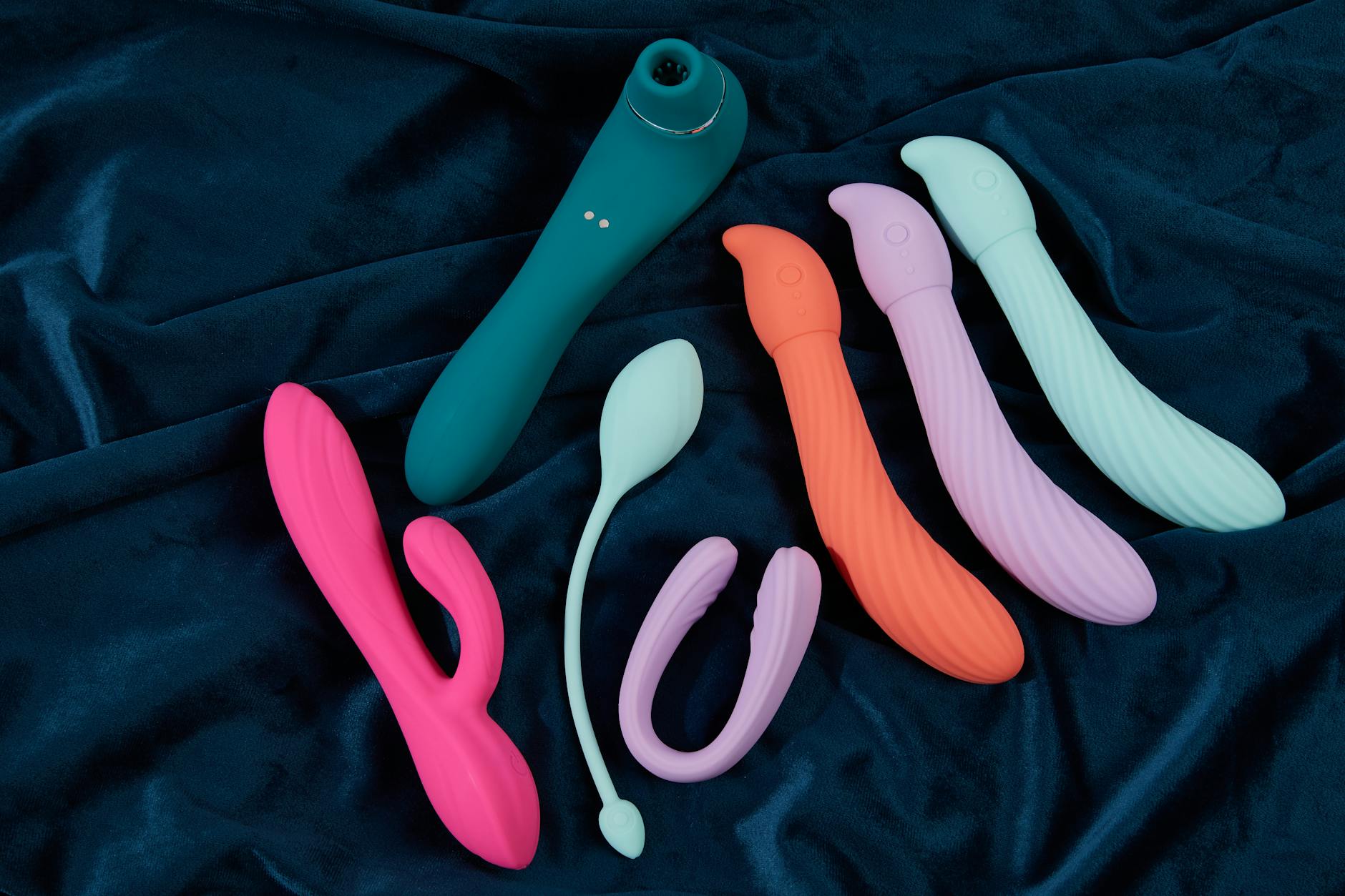
Let's be real about low desire first
Your libido tanking doesn't mean you're broken, your relationship is doomed, or you've somehow lost the ability to enjoy sex. Low desire is usually your nervous system saying it's overwhelmed, exhausted, stressed, or disconnected. It's information, not a diagnosis.
The problem is that when desire drops, we often respond with force instead of curiosity. We try to push ourselves into arousal. We feel guilty. We avoid touch altogether. None of that works. What actually works is meeting yourself where you are and rebuilding sensation and pleasure without the pressure to perform.
That's where a lemon clitoral vibrator comes in. The way lemon adult toys work (through gentle suction rather than intense vibration) makes them uniquely suited to reopening desire in people who've gone numb to standard stimulation. They don't demand anything from you. They just create space for pleasure to return.
Why desire crashes and what that tells you
Low libido has a cause. Always. The three most common ones I see in my practice are stress, disconnection (from your partner or yourself), and misaligned expectations about what sex "should" look like.
Stress floods your system with cortisol, which directly suppresses the dopamine and testosterone that fuel desire. Your body is literally protecting you by turning off sex drive. That's not a malfunction. That's survival.
Disconnection is subtler. You can be physically present with a partner and still profoundly alone. When that happens, sex becomes another obligation instead of a form of intimacy. Your body knows the difference.
Misaligned expectations are sneaky. If you've spent years having sex you didn't really want, or prioritizing a partner's pleasure over your own sensations, your nervous system eventually stops sending you the arousal signal at all. It's learned that arousal isn't safe.
Before you touch any toy, identify which one is happening for you. The fix changes depending on the root. But across all three scenarios, a lemon sexual toy can serve the same function: it gives you a way to explore pleasure alone, without judgment, without needing to perform.
How lemon vibrators are different when desire is low
Traditional vibrators work through direct vibration. That intensity can feel overwhelming when you're already numb or disconnected. A lemon clitoral vibrator uses suction technology instead. The sensation builds slowly, without demanding immediate responsiveness from your body.
This matters because low desire often lives alongside reduced sensation or anhedonia (the neurological inability to feel pleasure). You might be able to orgasm on the highest setting of an intense vibrator without actually feeling aroused. That's not satisfying. It's just friction.
A lem vibrator's gentle suction reawakens the neural pathways for pleasure in a way that intense vibration doesn't. It's more like a conversation with your body than an interrogation.
Second, the lemon adult toy design itself communicates permission. It's not aggressive. It's not demanding. It's inviting you to slow down and pay attention to sensation. That psychological shift alone can restart desire in people who've been running on empty.
The actual protocol for rebuilding arousal
Here's how I recommend approaching a lemon clitoral vibrator when desire is low:
Start with sensation mapping, not orgasm
Set aside 20 minutes when you're not tired, hungry, or watching the clock. This isn't about coming. It's about remembering what pleasure feels like. Turn off your phone. Dim the lights if that helps you feel safer.
Start the lemon vibrator on the lowest setting. Explore it on the outer labia, the perineum, the inner thighs. Just notice what sensations register. You're not trying to feel turned on. You're gathering data about what your body can feel right now.
Many people with low desire report that this first session produces zero arousal and that's completely normal. You're warming up a system that's been dormant. Expect three to five sessions of sensation exploration before arousal starts returning.
Build consistency without expectation
Use your lemon sexual toy two to three times a week, same time if possible. Your nervous system loves predictability. When pleasure becomes routine instead of something you chase, your body starts anticipating it and producing arousal naturally.
Set a timer for 15 minutes. When it goes off, stop. Stopping before you want to creates anticipation. That's how desire rebuilds.
Don't push toward orgasm. If one happens, fine. If it doesn't, also fine. The goal is reconnection, not achievement.
Pair it with grounding
Low desire often coexists with dissociation. You're touching yourself but you're not really present. A lemon clitoral vibrator can pull you back into your body, but you can help that along by adding sensory grounding.
Notice the texture of your sheets. Feel the temperature of the room on your skin. Name five things you can see. Taste something before you start. Breathe deeply and count the exhale.
You're essentially retraining your brain to stay present during pleasure instead of checking out. That's where desire actually lives, in presence.
When low desire is relational
If your desire loss happened after a relationship shift, a betrayal, or a period of disconnection from your partner, a lemon vibrator is a tool for individual healing, not relationship repair.
Use it to rebuild your own pleasure and arousal. Then, when you're ready (and only then), invite your partner into the conversation about reconnection. You might find that using a lemon vibrator with a partner during foreplay becomes a way to rebuild intimacy together.
But start solo. Your desire is yours to recover first.
The mind-body conversation you're actually having
This is the part that most guides skip and it's the most important one. When you use a lemon clitoral vibrator during low desire, you're not just stimulating nerve endings. You're having a conversation with your nervous system.
You're saying: I deserve to feel pleasure. It's safe to feel good. My desire matters. My body is worthy of attention.
Your nervous system has learned (through stress, disconnection, or trauma) that pleasure isn't available right now. It's learned to stay vigilant instead of relaxed. A sustained, consistent practice of solo pleasure with a lemon sexual toy gradually rewires that belief.
That rewiring is the actual work. The toy is just the container it happens in.
Red flags that mean you need more support
If after four weeks of consistent use your desire hasn't shifted at all, or if low libido is paired with depression, anxiety, or intrusive thoughts, talk to a therapist or doctor. Low desire can be a symptom of thyroid dysfunction, hormonal imbalance, depression, or trauma. A lemon vibrator can help. But it's not a substitute for professional care.
If your low desire is rooted in relationship disconnection and your partner isn't willing to work on reconnection, a toy won't fix that. You'll need couples work or individual work around boundary-setting.
The tool is powerful but it's not magic. It works best when it's part of a bigger picture of self-care, good sleep, stress management, and usually some form of talk therapy.
Desire returns when you stop forcing it
This is the paradox nobody tells you. The harder you push for desire to come back, the more it retreats. Desire lives in relaxation, curiosity, and permission. When you stop trying to want sex and start exploring what feels good without judgment, desire usually shows up on its own.
A lemon clitoral vibrator is one of the best tools I know for creating that kind of space. It's gentle enough not to demand anything. It's specific enough to actually produce sensation. And it's private, so you can explore without worrying about someone else's experience.
Your desire will come back. It's just going to take you meeting it halfway.
People also ask
How long does it take for a lemon vibrator to help restore low libido?
Most people start noticing a shift in sensation and arousal within three to four weeks of consistent use (two to three times per week). Complete restoration of desire typically takes six to twelve weeks, depending on what caused the desire loss in the first place. Stress-related low libido responds faster than trauma-related or deeply entrenched relational disconnection. The key is consistency without pressure.
Can you use a lemon vibrator if you have no sensation at all?
Yes. The suction technology in lemon adult toys is specifically designed to create sensation in people with reduced feeling. If you have numbness from medication, diabetes, or nerve damage, a lemon clitoral vibrator often works better than traditional vibrators because it doesn't require intact tactile sensation to feel the stimulation. Start on the lowest settings and gradually increase as sensation returns.
Is using a lemon vibrator while in a relationship okay if you have low desire?
Absolutely. Using a lemon sexual toy to rebuild your own arousal is self-care, not infidelity. Solo pleasure and partnered pleasure are different things and they both matter. If you want to eventually share this reconnection with your partner, that's a separate conversation. But rebuilding your own desire first sets you up for better partnered experiences later.
What if a lemon vibrator doesn't work for your low libido?
Low desire caused by depression, hormone changes, or medication side effects may not respond to solo pleasure practices alone. Talk to your doctor or a therapist. You might need thyroid testing, hormone evaluation, or a medication adjustment. A lemon vibrator is a useful tool, but it's not a cure-all for medically rooted desire loss. Combine it with professional support.
Should you tell your partner you're using a lemon clitoral vibrator to address low desire?
That depends on your relationship agreement and comfort level. If you're in a sexually exclusive partnership, transparency usually serves you better than secrecy. Framing it as personal healing (not as a replacement for partnership) helps. You might say: "I've noticed my desire has been low and I want to rebuild my own pleasure first so I can show up more fully with you." Most partners respect that work.
Can combining a lemon vibrator with therapy actually rebuild desire faster?
Yes. Therapy addresses the root cause (stress management, relationship repair, trauma processing) while the lemon sexual toy addresses the symptom (numbness, disconnection from pleasure). The combination creates faster results than either alone. If your low desire is relational, couples therapy plus solo pleasure work is particularly effective.
The work is yours to do
Low desire feels like a dead end until you realize it's actually an opening. It's your body asking you to slow down, pay attention, and rebuild your relationship with pleasure from the ground up. A lemon clitoral vibrator can be the bridge that makes that reconnection possible. But the desire itself, the pleasure, the arousal—that comes from you showing up for yourself consistently, without judgment, over time. Start this week. Your body is waiting to remember what it feels like to want.