One of you wants sex three times a week. The other wants it once a month. Neither of you is wrong. Neither of you is broken. But someone is frustrated, someone else feels pressured, and somewhere in there, both of you are starting to feel rejected.
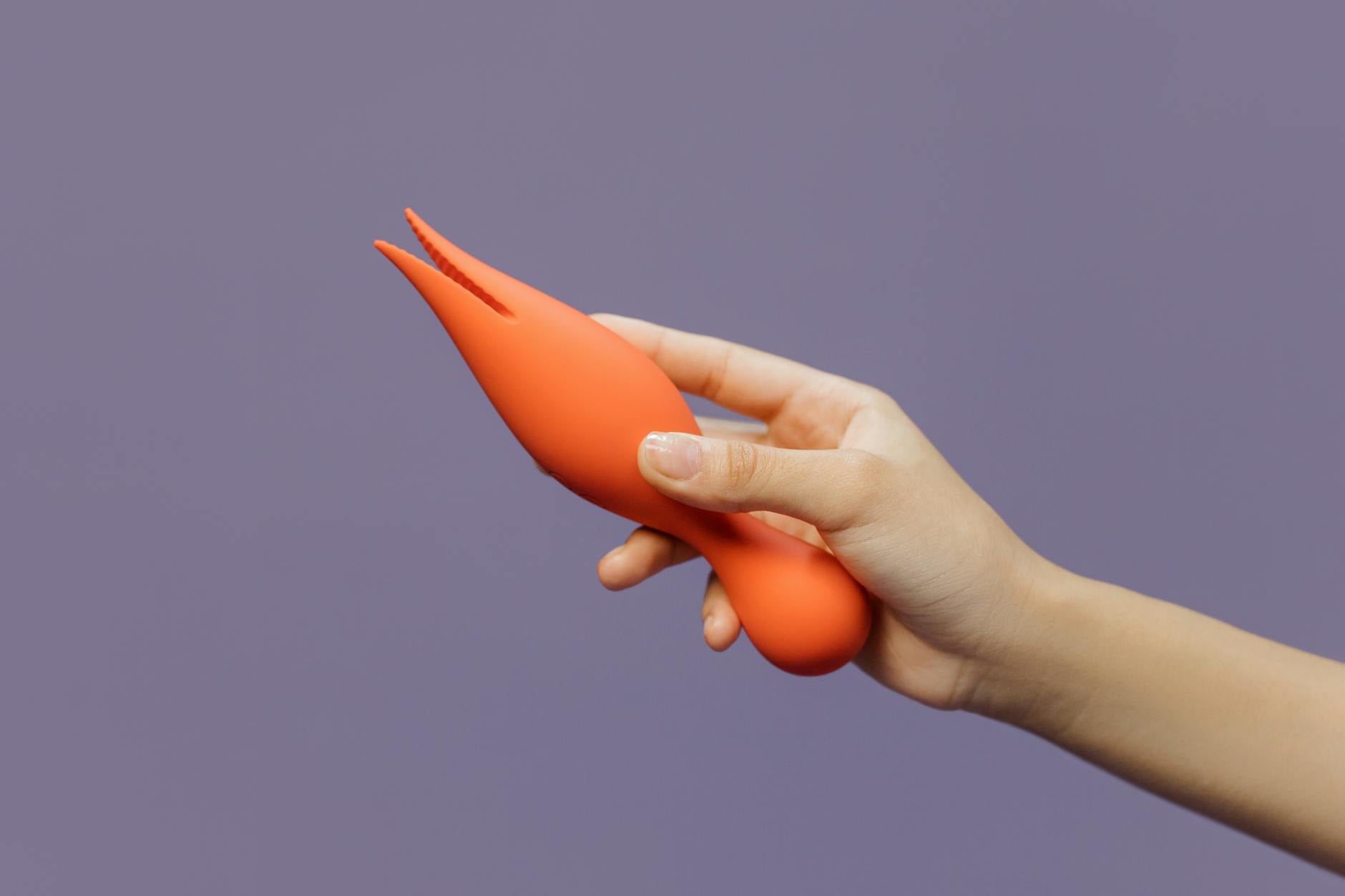
This is one of the most common relationship problems I see, and it's rarely about sex itself. It's about feeling wanted, valued, and understood. A lemon clitoral vibrator won't fix the mismatch. But it can transform how you navigate it together.
When your partner wants sex less often than you do, your brain doesn't file it under "different baseline desire." It files it under "I'm not attractive to them" or "they don't want me." That's not logical, but it's deeply human. And if your partner pushes for sex you're not interested in, you internalize it as pressure, obligation, loss of autonomy.
The gap between your desires becomes a mirror for every other way you feel mismatched. Money. Kids. Time. Energy. Sex becomes the proxy war for all of it.
Here's what helps: separating your partner's desire from your own, and creating a way for both needs to exist without one person always sacrificing.
You can't use a lemon vibrator skillfully as a couple until you've had the actual conversation. And I mean a real one, not a complaint dressed up as communication.
Start here: "I notice we want sex at different frequencies. That's not a problem we need to solve. It's a reality we need to understand. Can we talk about what's actually going on for each of us."
The higher-desire partner talks first. Not to convince the other person to want more sex, but to articulate what sex means to them. Is it stress relief. Is it feeling wanted. Is it closeness. Is it literally just tension release. Be specific.
Then the lower-desire partner goes. Again, not to defend themselves, but to explain their actual experience. Are they touched out. Stressed. Disconnected emotionally. Resentful about something unrelated. Dealing with depression or medication that kills libido. It matters.
The goal isn't to change minds. It's to stop assuming the worst about each other.
Once you understand each other, you can talk about solutions that don't require one person to perform desire they don't feel. This is where a lemon clitoral vibrator becomes genuinely useful.
For the higher-desire partner, it means: you can have pleasure together without requiring your partner to generate their own arousal from scratch. They can touch you, hold you, watch you, guide the toy. All of that is intimate. None of it requires them to perform.
For the lower-desire partner, it means: you can be physically close to your partner and present with them without the pressure to perform your own orgasm on a timeline that doesn't work for your body. You get to show up as yourself, not as a character trying to look aroused.
That's not a compromise where nobody gets what they want. That's a completely different activity that works for both people's actual needs.
Decide together before clothes come off. Does the lower-desire partner want to be inside the action or adjacent to it. Do they want to hold the toy or have their partner hold it. Do they want to be kissed, stroked elsewhere, talked to. Be granular.
The worst thing that happens in mismatched-libido couples is surprise. The higher-desire partner thinks, "I'll get them going," and the lower-desire partner feels ambushed. Narrate the entire thing in advance.
If you're the partner who wants more sex, your job isn't to make your partner aroused. Your job is to be present with them while they experience pleasure. Hold their hand. Kiss their neck. Tell them what you notice: "You're breathing differently." "You look beautiful right now." Look them in the eye.
This matters because you shift from "performer trying to turn you on" to "partner witnessing you." That's a completely different psychological experience.
The person holding the lemon vibrator sets the speed, intensity, and rhythm. Not because they need to perform a show, but because they need to have agency. They get to explore what feels good in that moment, at that intensity, without negotiating with someone else's timeline.
If you're the lower-desire partner using the toy while your partner touches you elsewhere, you're not obligated to orgasm. You're not obligated to move faster. The pleasure is the point, not the outcome.
When you use a lemon clitoral vibrator as a couple with mismatched desire, something shifts. The higher-desire partner gets to feel wanted and gets physical intimacy without coercion. The lower-desire partner gets to experience pleasure without performance pressure. You're in the same room, touching, connected, but nobody is sacrificing.
Over time, this can actually soften the resentment that builds around sex. It's not the toy doing the emotional work. It's the fact that both people showed up, communicated clearly, and created a space where desire doesn't have to be identical for intimacy to exist.
Sometimes you have the conversation, you propose this exact scenario, and your partner says no. They don't want to participate in any sexual activity together right now. That's information, and it's important.
That usually signals something bigger. Depression. Relationship resentment. Unprocessed trauma. Medical issues. Burnout. A lemon vibrator isn't going to address that, and forcing it will make things worse.
That's when you might need a couples therapist or a sex therapist who specializes in desire discrepancy. I'm not saying that to scare you. I'm saying it because a professional can help you figure out what the real problem is, and whether you can solve it together.
A lot of couples ask: if we do this, will we have less sex overall. Sometimes yes. Sometimes no. It depends entirely on what was happening before.
If the higher-desire partner was pestering the lower-desire partner for sex, getting rejected, and both of you were miserable, then yes, total frequency might drop. But the sex that does happen will feel better to both people, because there's no resentment underneath it.
If the lower-desire partner was saying yes out of obligation and checking out mentally, introducing a lemon vibrator together might actually increase genuine intimacy. Because now they're participating in something they actually want to do.
The number doesn't matter. What matters is whether both people feel seen.
No. If your partner refuses to engage with you sexually in any form, a toy won't create that problem. It already existed. If your partner is willing to be present with you while you experience pleasure, even if they're not experiencing their own arousal, that's a sign the relationship has some good foundation to build on.
The worst thing you can do is use a lemon vibrator as a silent accusation. ("I had to buy this because you won't sleep with me.") The best thing you can do is use it as an invitation. ("I want to be close to you. Here's a way we can both actually enjoy that.")
Libido mismatch isn't a failure. It's a logistics problem. And logistics problems have solutions. A lemon clitoral vibrator is one of them.
Not a replacement, no. If one partner is always using a toy alone while the other watches, and there's no other physical connection, that's avoidance. A lemon vibrator works best when it's part of a larger landscape of touch and closeness, not a substitute for actual negotiation about what you both want.
That's their boundary, and it's worth respecting. Solo pleasure is different from partnered pleasure. Some people prefer one, some people prefer both. If your partner wants privacy with a lemon vibrator, that's not rejection of you. It might actually be them prioritizing their own pleasure, which is healthy. If this feels like a bigger disconnection, that's the conversation to have, not the toy dynamic to analyze.
It can help you feel less resentful, which creates more emotional safety, which sometimes does lead to more genuine desire. But a vibrator isn't a magic fix for deeper relationship problems. If you're mismatched because you're dealing with unresolved conflict, infidelity, or just genuinely incompatible life visions, a lemon clitoral vibrator won't bridge that gap.
Not necessarily. Some people have religious or personal reasons for avoiding toys. Some people have trauma around them. Some people just prefer their hands. That's okay. But it's worth asking: are they uncomfortable with toys in general, or uncomfortable with the idea of you having pleasure they're not controlling. That's a different conversation.
You'll know because you'll stop feeling defensive when the topic of sex comes up. You'll stop interpreting your partner's lower desire as personal rejection. You'll stop feeling obligated to perform arousal you don't feel. That's the actual win. The toy is just the vehicle.
Then you've gathered important information. You know that the libido mismatch isn't something that creative solutions can bridge. At that point, you're looking at bigger questions: Can you live with the status quo. Do you need a couples therapist. Is this relationship actually meeting your needs. Those are hard questions, but they're important ones, and they require honest communication, not more toys.
Mismatched libido is painful because it makes you feel misunderstood. One partner feels unwanted. The other feels pressured. A lemon vibrator doesn't fix that hurt directly. What it does is create a container where you can both show up as yourselves. Where desire doesn't have to be identical for intimacy to exist. Where pleasure is possible without resentment underneath it.
That's not nothing. That's actually everything.
If you're ready to have this conversation with your partner, start simple. Share what you've read here. Tell them what you actually need. Ask what they need. Then decide together whether a lemon clitoral vibrator is part of your solution. The tool only works if both people choose it.