Here's the thing about rushing
Most couples don't decide to have fast sex. It just happens. Work stress, kids, mental load, that 15-minute window before the alarm goes off. One person's ready faster than the other. Nobody wants to feel like they're keeping someone waiting. The rhythm accelerates. Then one day you realize you haven't had actual slow, connected sex in months.
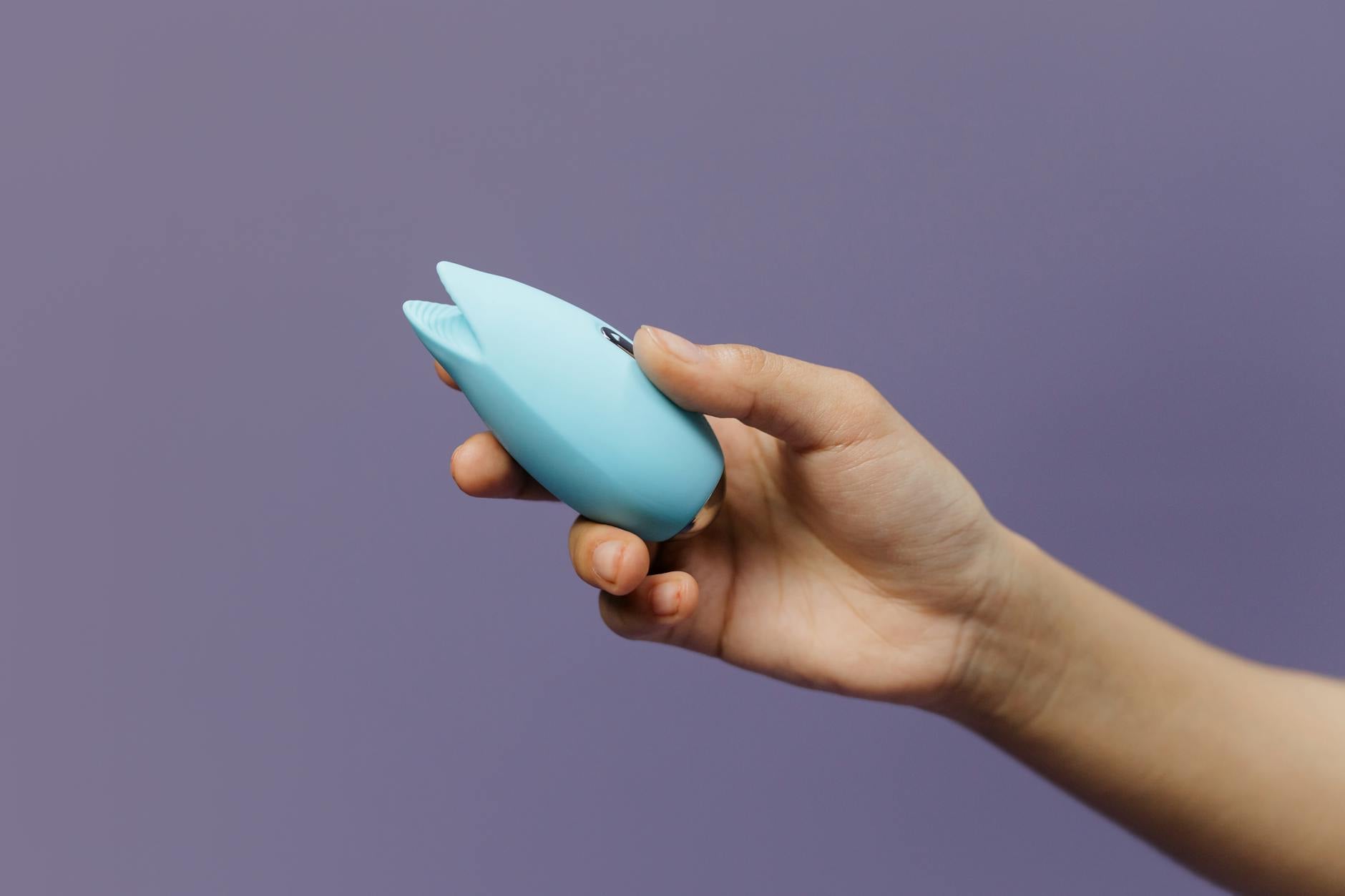
That's when a lot of couples reach for a lemon clitoral vibrator. Not because they want to add novelty (though that's fine too). But because a suction-based toy fundamentally changes the pace of the experience. It forces slowness back into the equation.

Photo by cottonbro studio on Pexels
Why traditional vibrators speed things up (and why that matters)
A standard vibrator is fast by design. The stimulation is intense and direct. For many people, that means orgasm comes in 3 to 5 minutes. Which sounds great in theory. In practice, it means sex gets front-loaded with vibrator use, and the rest becomes foreplay to that. The structure of the experience narrows.
Suction-based lemon vibrators work differently. They don't buzz against your skin. Instead, they create a gentle pulsing sensation that draws tissue into the chamber. The stimulation is still powerful, but it doesn't plateau as quickly. This means:
- Arousal can build over 15 to 25 minutes instead of 3 to 5
- Sensation stays interesting across different intensity settings
- Both partners have time to check in, adjust, stay connected
- The experience feels less about destination and more about the actual minutes you're spending together
I've had couples tell me that using a lemon clitoral vibrator actually increased their overall sex time from 12 minutes to 35 minutes. Same desire. Different tool. Completely different experience.
The "one person's faster" problem
Most couples have an asymmetry. One partner gets aroused quickly, reaches orgasm quickly. The other needs 15 to 20 minutes of foreplay before anything feels like much. When you're relying on conventional penetrative sex or manual stimulation, this gap creates real tension.
The "fast" partner has to slow down or risk leaving the "slow" partner behind. The "slow" partner has to rush or risk feeling like a problem to solve. Both feel bad. Neither person is actually enjoying themselves.
A lemon clitoral vibrator sits in that gap perfectly. It lets the person who needs more time access sustained, pleasurable stimulation independently. The partner who's already aroused can focus on touch, kissing, or their own pleasure. You're still connected, still present, but you're not waiting for each other anymore.
In clinical terms, this is called "pleasure independence." It sounds technical. What it really means is: you both get to enjoy yourself without someone sacrificing their own experience to keep pace.
How suction changes what "presence" actually means
Here's something couples get wrong: they think slowing down means more conversation. In reality, it often means less talking and more actual sensation. When you're rushing, you're performing. When you slow down, you can actually feel what's happening.
With a lemon clitoral vibrator, presence looks different. You might use it while your partner touches you elsewhere. They're watching your face, noticing what makes you move. You're noticing that they notice. Neither of you is thinking about whether things are "working." You're just in the minutes together.
I recommend couples try this: one partner uses the toy while the other sits with them. Not doing anything. Just present. Hand on their back. Whispering. Making eye contact. The toy does the heavy lifting on stimulation. You do the heavy lifting on intimacy. That's slow sex that actually matters.
The conversation you need to have first
Before you buy a lemon sexual toy to use as a couple, you need one conversation. Not during sex. Not during an argument. A real talk where you say something like: "Sex has felt rushed lately. I miss feeling close to you. I want to try slowing down together. Would you be open to trying something new?"
That matters because the tool isn't magic. If your partner feels like you're introducing a toy to fix them (like they're taking too long or not responsive enough), it'll backfire. But if you frame it as "I want us to have more time together and I want you to feel good," the toy becomes collaborative instead of corrective.
After How to Use a Lemon Vibrator When Pleasure Feels Rushed With a New Partner, couples often find that the conversation itself does most of the work. The toy is just the framework for that conversation to actually happen.
The technical stuff that makes slow sex easier
Three things about lemon clitoral vibrators make them specifically good for couples who want to rebuild pace:
1. Variable intensity. Most settings 1 through 4 or 5. You don't jump straight to max. You can spend 10 minutes at setting 2. Let sensation build. If things feel good, move to setting 3. No rushing. No guessing. Just incremental pleasure.
2. Whisper quiet. This matters more than you'd think. A loud vibrator creates performance pressure. You're hyperaware of the noise. With a quieter lemon sucker, you can actually focus on what's happening in your body and with your partner instead of thinking about the neighbors.
3. Hand-held but hands-free potential. You can hold it yourself, which gives you control. Or your partner can hold it, which puts them in charge of pace. Or you can use a wearable vibrator like the Pixie remote-controlled panty vibrator if you both want freedom to touch each other. That flexibility lets you find what actually works for your bodies instead of forcing a position that doesn't.
What slow sex actually accomplishes
Beyond the immediate pleasure, couples who rebuild slower sex report:
- More spontaneous sex (when sex isn't high-stakes, you do it more often)
- Better orgasms (the buildup matters)
- Stronger emotional connection (you remember why you liked this person)
- Less anxiety about performance (there's nothing to perform)
- Fewer arguments about frequency (because sex stopped feeling like an obligation)
I've worked with couples who were having sex once a month out of obligation. After they slowed things down with tools like a lemon clitoral vibrator, it went back up to once or twice a week. Not because they suddenly wanted more sex. But because sex stopped feeling like something they had to get right and started feeling like something they actually wanted.
The partner who worries about not being "enough"
This deserves its own section because it comes up constantly. One partner introduces a toy and the other feels threatened. "Does this mean I'm not satisfying you?" "Are you saying my body isn't good enough?"
Here's what I tell that partner: a lemon vibrator isn't a replacement. It's an amplifier. If anything, it means your partner is telling you they want more time with you, not less. They're saying they want to actually feel good for 20 minutes instead of 5. That's an invitation to be more present, not an indication you've failed.
After How to Use a Lemon Vibrator When Your Partner Avoids Toys, couples usually find that the hesitation was about reassurance, not the toy itself. Once both people understand that slow sex benefits both of you, the resistance usually softens.
Practical setup for your first time
Set aside 45 minutes. Not 15. Not "whenever we find time." Actual time. No phones nearby. Dim lighting. You don't need candles or music unless that genuinely feels good to you (I'm anti-performance stuff, so skip it if it doesn't).
Start with touch. Ten minutes minimum. No vibrator yet. Just hands. Kissing. Noticing where your partner is in their body. Then introduce the toy. Low setting. Slow exploration of what feels good. Check in. Ask "How does that feel?" and actually listen to the answer. Adjust. Keep checking in.
If the person with the toy gets close to orgasm, that's fine. Let it happen. If they don't, that's fine too. The goal isn't orgasm. The goal is 45 minutes where you're both actually present. Orgasm is a bonus.
Questions people actually ask
Will using a toy together make my partner less interested in sex with just me?
No. The research is clear: couples who use toys together report higher sexual satisfaction and higher relationship satisfaction overall. The toy doesn't replace your partner. It creates more time where you're both enjoying yourself, which actually makes sex more appealing to both of you.
How do I know if my partner will be open to this?
You ask. Not during sex. You say "I've been thinking about ways we could have more time together during sex. Would you be open to exploring that together?" Directness beats hinting every time.
What if I want to slow down but my partner doesn't?
That's a different conversation. Couples therapy or a conversation with someone you trust. A toy can't fix a desire mismatch. What it can do is give both of you more time to actually figure out if the mismatch is real or if it's just about pace.
Does a lemon clitoral vibrator work for all body types?
Yes. Suction-based toys work across body types in a way that traditional vibrators sometimes don't. The sensation isn't about external friction. It's about the way the toy creates pressure and release.
How long does a lemon vibrator last on a single charge?
Most last 60 to 90 minutes, which is longer than you'll need in a single session. Charge it overnight and you're fine.
Can I use it during penetrative sex or is it just solo?
Both. You can use it during partnered sex, during solo time, or as part of foreplay. The flexibility is part of why couples gravitate toward them.
The real reason slow sex matters
Let's be honest. In a long-term relationship, slow sex isn't really about the mechanics. It's about saying "You matter enough that I'm going to give you 30 minutes instead of 5." It's about rebuilding the idea that your partner's pleasure is interesting, not a problem to solve quickly.
A lemon clitoral vibrator is just the permission structure. It makes it easy to slow down without anyone feeling like they're holding the other person back. Once you've done it a few times, you remember what slow sex feels like. You remember why you liked each other in the first place. Then sometimes you do it without the toy, just because.
If you're curious about trying this or you want help thinking through what pace works for your relationship, reach out. That's what I'm here for.