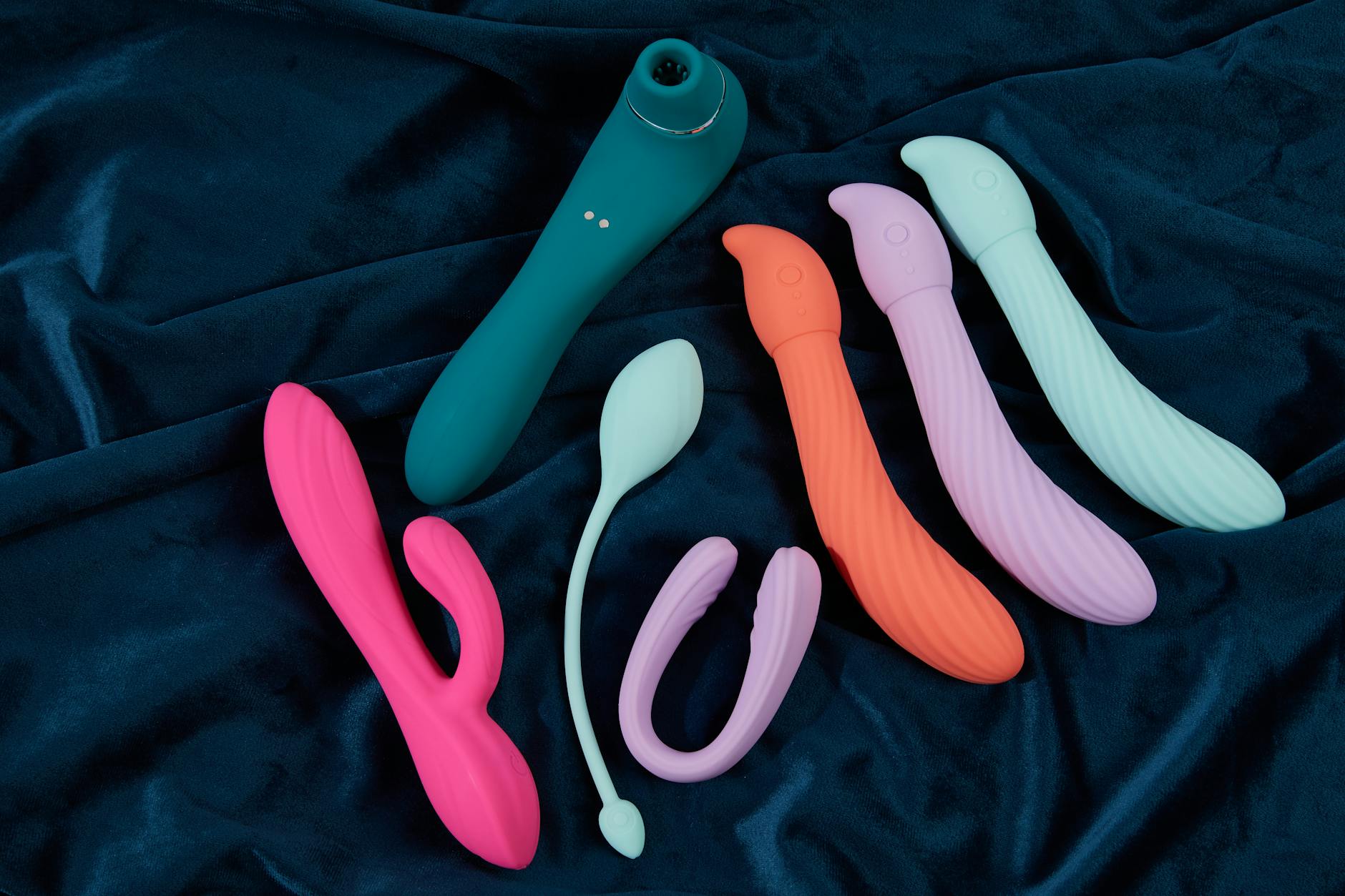
Why Lemon Vibrators Feel Different Post-Menopause
Let's be real. After menopause, your body changes, and that includes how pleasure works. The good news? Those changes don't end your sex life. They transform it. And clitoral vibrators like the lemon sucker work in a totally different way now.
Most people assume that means things get worse. They don't. They get different in ways that can actually feel better if you understand what's happening.
What menopause does to tissue sensitivity
When estrogen drops, the vulva changes. The tissue thins (yes, really, and it's normal). Lubrication decreases naturally. The clitoral glans becomes more exposed and, paradoxically, more sensitive to direct pressure. What this means in practical terms: a vibrator that felt gentle five years ago can feel intense now. And a vibrator that felt too subtle can suddenly become perfect.
This isn't a problem. It's information. It tells you that your body is asking for a different approach to pleasure than it needed before.
The lemon vibrator was designed with suction and pulsing in mind, not direct vibration. That matters hugely post-menopause because thin tissue responds better to gentle pressure changes than to mechanical friction. The lem vibrator's suction action mimics the feeling of oral sex without the same abrasive buzz. For many people post-menopause, that's the difference between pleasure and discomfort.
Why suction works better than traditional vibration
Traditional vibrators rely on oscillation. The device moves back and forth at a set frequency, usually 50 to 150 Hz. That works beautifully for thicker, more resilient tissue. But post-menopausal tissue is thinner, more sensitive to friction, and more prone to minor irritation if stimulation is too intense or prolonged.
Suction is different. Instead of vibrating against the clitoral glans, a lemon clitoral vibrator creates rhythmic pressure changes. The tissue swells slightly as blood flows in response to the suction, then releases. It's closer to how your body naturally responds to arousal, which means it feels less like you're doing something to your body and more like your body is responding on its own.
I've worked with countless clients post-menopause who switched from traditional vibrators to suction devices and reported the same thing: "I feel it everywhere instead of just one spot." That's because suction stimulates a wider area, including the internal branches of the clitoris, which get less attention with point-source vibration.
The lubrication question
Yes, you probably need lubricant post-menopause. That doesn't mean your body is broken. It means your tissue is different, and it's asking you to work with it rather than against it.
Water-based lubricant is your friend here. Silicone-based feels richer, but it can damage silicone toys and leave a residue that's harder to clean off thin tissue. Water-based dries out faster, which is actually fine because you're likely using a lemon vibrator or another suction device that doesn't rely on sustained glide the way a traditional vibrator does.
The real game-changer post-menopause is understanding that lubrication is part of pleasure, not a workaround. Add it early, refresh it as needed, and think of it as part of the experience, not a fix for something that's gone wrong.
Arousal takes longer now (and that's not bad)
One of the biggest shifts post-menopause is arousal speed. Your body takes longer to respond. The average warm-up time extends from about 5 minutes to 15 or 20. That feels frustrating if you're thinking of it as a delay. It feels generous if you're thinking of it as permission.
Longer arousal time means more blood flow to the clitoris before stimulation even starts. That's why many post-menopausal clients tell me they achieve stronger, longer orgasms than they did at 35. The tissue has more time to engorge. The nervous system has more time to settle. The mind is more likely to be fully present instead of watching the clock.
A lemon sucker works beautifully with this new timeline because suction is responsive. You're not trying to match a preset vibration pattern. You're working with your body's response in real time. Start on a lower setting, let arousal build, then increase intensity as sensation develops. This responsiveness feels natural, not mechanical.
Intensity and position matter differently now
Post-menopause, intensity tolerance changes. What felt perfect at 50% power might feel irritating now. What felt too subtle might feel ideal. That's not universal, but it's common enough that I bring it up with every client.
Position matters too. The clitoral glans is more exposed, so direct overhead pressure can feel intense. Angled approach from the side, or using the suction action with lighter settings, often works better. With a device like the lem vibrator, you have that flexibility because you're not locked into a single vibration pattern.
Experiment. Try different angles. Start lower, build up. Your body will tell you what it wants if you listen.
The emotional layer you can't separate
Menopause arrives with other stuff. Kids grown or growing. Career changes. Relationship shifts. Mortality brushing closer. All of that lives in your nervous system, and it affects pleasure whether you want it to or not.
Sometimes people assume menopause killed their sex drive when what actually happened is grief or stress or just the mental load of midlife doing its thing. Those are different problems with different solutions. What I tell clients: separate the physical conversation from the emotional one. "My tissue is thinner" is not the same as "I'm not interested in pleasure." One is biology. One might be about something deeper.
Take time to notice which is true for you. A good lemon vibrator can handle the biology part beautifully. But it can't address emotional disconnection or relationship strain. That work happens in conversation, vulnerability, and sometimes with a therapist.
When to check in with a doctor
If pain shows up, don't push through it hoping it'll pass. Genitourinary syndrome of menopause is real, treatable, and nothing to be embarrassed about. A good GP or gynecologist trained in menopause care can prescribe topical estrogen creams that rebuild tissue with minimal systemic absorption.
If lubricant alone isn't enough, if tissue tears easily, if penetration is painful, those are signs you need medical support, not a stronger vibrator. Get checked out. The solutions are straightforward and often work quickly.
If desire has completely vanished, that's also worth exploring. Sometimes it's hormonal. Sometimes it's relational. Sometimes it's both. A menopause specialist or relationship therapist can help you figure out what's true for you.
The actual truth about post-menopause pleasure
Menopause doesn't end your sexual life. It changes it. Your body has different needs now, and those needs aren't a downgrade. They're a redirect. Many of my clients report that their most satisfying, most intense orgasms happen post-menopause, when the pressure lifts and they finally explore what their body actually wants instead of what they think it should want.
A lemon clitoral vibrator is one tool that works well with post-menopausal tissue because it's responsive, gentle, and stimulates in a way that matches how your body responds now. But the real work is curiosity. Paying attention. Letting your pleasure evolve instead of fighting it.
You're not starting over. You're moving into a new chapter, and it can be richer than the last one.
People also ask
Is it normal for vibrators to feel different after menopause?
Absolutely. Your tissue has changed, so sensation changes too. Vibrators that felt gentle before might feel intense now, or vice versa. That's not a sign something's wrong. It's information about what your body needs now. Many people find that switching to a suction-based device like a lemon vibrator feels much more comfortable post-menopause than traditional vibrators.
Do I need more lubrication after menopause?
Most people do, yes. Estrogen supports natural lubrication, so when it drops, your body produces less. Water-based lubricant is your best option because it won't damage silicone toys and feels natural on thin tissue. Using lubricant isn't a sign you're broken. It's working with your body's new reality.
Can I still have orgasms after menopause?
Completely. The nerve pathways for orgasm don't change. What changes is sometimes how quickly you get there and sometimes how sensation feels. Many clients report stronger, longer orgasms post-menopause because you have more time for arousal and less mental chatter in the way. If orgasms disappear entirely, that's worth discussing with a doctor.
Why does a lemon sucker feel better than my old vibrator?
Suction stimulates tissue differently than vibration. Instead of mechanical buzz against your clitoral glans, it creates rhythmic pressure changes that feel more like your body's natural response to arousal. For post-menopausal tissue, that's often more pleasurable and less irritating. The lem vibrator also stimulates a wider area, including internal clitoral branches.
Should I see a doctor if vibration feels painful?
Yes. If any vibrator causes pain or discomfort, get checked. Genitourinary syndrome of menopause is common and highly treatable with topical estrogen creams. Pain isn't normal, and you don't have to work through it. Medical support can change everything in weeks.
Does menopause mean I'll lose interest in sex?
Not necessarily. Many people experience a shift in arousal patterns, not a loss of desire. You might need longer warm-up time, different types of stimulation, or a different relationship context. If desire has completely disappeared, that's worth exploring with a therapist or menopause specialist because it could be hormonal, relational, or both.
Final thought
Your body post-menopause isn't broken. It's different, and different is workable. Understanding how your tissue has changed, choosing tools that match that change, and giving yourself permission to explore pleasure on your body's new terms. That's the shift that makes the difference. If you have questions about what works for your body, we're here. Reach out at /contact.