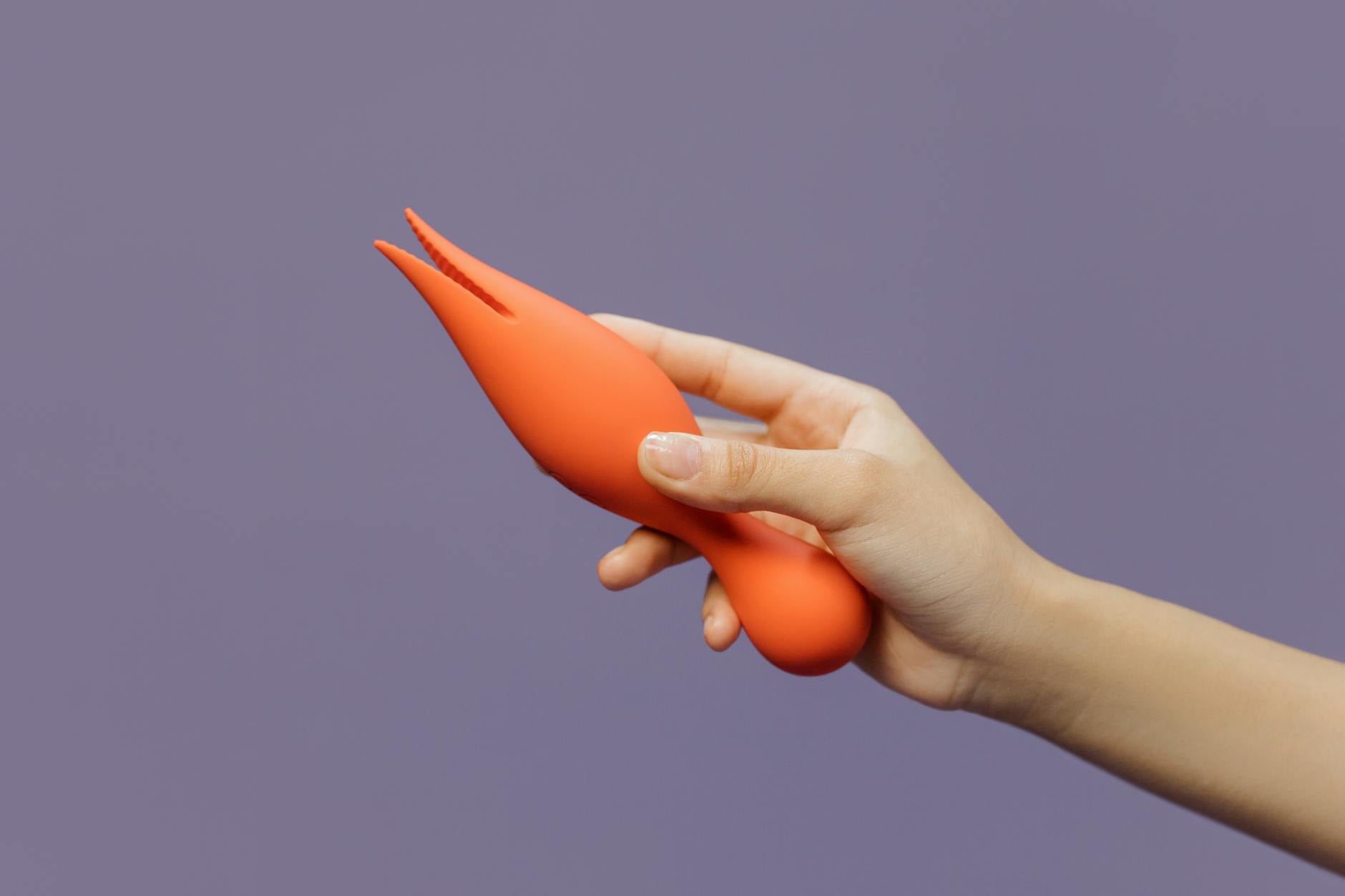
Here's the thing about clitoral vibrators
Every body is different. That's not a cop-out answer. It's the actual answer. One person's perfect toy is another person's "this does absolutely nothing for me." The conversation about whether a lemon clitoral vibrator works better than other clitoral toys depends entirely on how your nervous system responds to stimulation, what your tissue sensitivity looks like, and what kind of sensation makes your brain light up.
But there are some real physiological differences between air-suction clitoral vibrators and traditional vibrating toys that matter.
How air-suction technology actually works
A lemon vibrator uses gentle pulsing suction rather than direct vibration. Instead of a buzzing motor pressing against tissue, it creates a rhythmic sucking sensation that stimulates the clitoral complex, including the internal bulbs and sensitive areas that standard vibrators can't always reach effectively.
This matters because the clitoris extends inward. What you see is just the glans. The real architecture includes two bulbs on either side and thousands of nerve endings distributed throughout. Air-suction technology activates a broader network without the mechanical pressure that can numb sensation or feel overwhelming.
Traditional vibrators work differently. They use oscillating motors that create consistent buzzing at varying speeds and intensities. The stimulation is more localized and more direct. Some bodies adore this. Others find it too intense, too numb-inducing, or not interesting enough.
Which bodies prefer which
Three patterns I see consistently:
Air-suction devices like the Lemon work brilliantly for:
People with high sensation sensitivity who find standard vibrators too intense or overwhelming. The suction feels almost gentle by comparison. People experiencing numbness from medications or age-related tissue changes. Suction activates different nerve pathways than vibration alone. Those who struggle to reach orgasm with vibration alone. Something about the pulsing rhythm and broader stimulation pattern creates a path to release that buzzing never provided.
Traditional clitoral vibrators work best for:
People who need direct, intense stimulation to feel anything. Some nervous systems simply require consistent, powerful vibration to cross the arousal threshold. Those who find suction uncomfortable or confusing. The sensation can feel strange if you're expecting vibration. People who want simplicity and customization. More vibrators have 10+ speed options, whereas most air-suction devices have fewer patterns.
The honest middle:
Plenty of people use both. A lemon clitoral vibrator for relaxed solo exploration or warm-up with a partner, then switch to a traditional vibrator when they want to cross the finish line quickly. Or the reverse. Your body isn't loyal to one category.
The science on sensation and nerve response
Neuroscientists know that different nerve fibers respond to different frequencies. Your clitoris contains numerous sensory receptors: some respond to pressure, some to temperature, some to vibration, some to stretch. Air-suction primarily activates pressure and stretch receptors. Traditional vibration hits vibration-sensitive receptors across the board.
If your particular nerve distribution favors pressure sensing, a lemon vibrator will feel absolutely electric. If you're wired for vibration sensitivity, you might feel like a suction toy is wasting your time.
The other factor is accommodation. Your nervous system gets bored. If you use the same stimulus repeatedly, sensation dulls over time. This is why people often rotate toys or techniques. A lemon clitoral vibrator activates different pathways than your usual vibrator, which can feel fresh and effective when you've been numb to your usual routine.
What the research actually says
Direct comparison studies are limited, partly because sex toy research is underfunded and stigmatized. But clinical observations and user data point to some patterns. People report higher satisfaction with air-suction devices when they've experienced numbness or anorgasmia with traditional vibrators. Orgasm latency (time to climax) often decreases, sometimes dramatically.
Traditional vibrators still outsell air-suction toys overall, which suggests most people find vibration effective enough. But that doesn't mean air-suction devices don't work better for subsets of bodies.
What matters: neither type is objectively superior. The best clitoral vibrator is the one that works for your specific nervous system.
The tissue question
Here's another practical angle. If you have sensitive, thinning, or easily irritated tissue (common after menopause, hormonal birth control changes, or certain medications), direct vibration can sometimes feel raw or exhausting. Suction distributes pressure more evenly and doesn't require as much friction. A lemon vibrator's rhythmic pulsing feels gentler on delicate areas.
You might also benefit from reading about how to use a lemon clitoral vibrator when you have a low pain threshold or sensitive skin if this describes your experience.
Conversely, if your tissue is resilient and you like strong sensation, a lemon vibrator's gentleness might feel underwhelming.
The partner conversation
One thing that shifts the equation: using a toy with someone else. Some partners feel intimidated by traditional vibrators, especially if they're loud and obviously buzzing. A lemon clitoral vibrator tends to be quieter and feels less like a replacement. The suction sensation also allows for different positioning and partnered exploration. You can use it simultaneously in ways standard vibrators don't always accommodate.
If you're thinking about introducing a device to a partner, consider reading about how to introduce a lemon vibrator to your partner without awkwardness.
Price and access
A quality lemon clitoral vibrator costs more upfront than budget vibrators. Entry-level traditional vibrators run $20 to $40. Quality air-suction devices start around $60 and go up from there. If you're curious but cautious about spending, that's fair. Try borrowing or borrowing from a friend if you can. Otherwise, assume you're paying for the specificity of the technology.
You're also paying for durability. Most air-suction devices last longer and hold their seal better over time than ultra-cheap vibrators.
How to know which to try first
Ask yourself:
Do you numb out easily with vibration? Air-suction might be your answer. Have standard vibrators worked reliably? You probably don't need to switch. Are you numb or struggling to reach orgasm? Air-suction is worth testing. Do you love intense, powerful sensation? A traditional clitoral vibrator will serve you better. Are you exploring solo for the first time? Start with whatever feels less intimidating. You can always add the other type later.
You're also allowed to hate something that works for everyone else. That's not a reflection of your body or your capacity for pleasure. It's just information about what this specific stimulus does in your specific nervous system.
The real verdict
A lemon clitoral vibrator works better for some bodies. For others, it's a waste of money. The difference comes down to nerve fiber distribution, tissue sensitivity, accommodation patterns, and what your brain finds arousing. Neither type is universally superior. The goal is to find what works for you, then use it without overthinking it.
If you're curious about how your body might respond to air-suction technology, try one. If traditional vibrators have never let you down, you're fine keeping them. Pleasure isn't a competition between toy types. It's about what makes you feel good.
People also ask
Why is air-suction different from vibration?
Air-suction creates rhythmic pulsing pressure through sucking motions rather than oscillating vibration. This activates different nerve fibers in your clitoris and stimulates the broader clitoral structure, including internal bulbs. Traditional vibration concentrates stimulation more directly and uses steady buzzing. Some bodies respond dramatically to one, others to the other, and some to both equally.
Can a lemon vibrator help if other toys haven't worked?
Yes, sometimes. If you've struggled to orgasm or gone numb with traditional vibrators, air-suction technology activates different nerve pathways. Many people report successful orgasms with a lemon clitoral vibrator after years of frustration with buzzing toys. That said, numbness or anorgasmia often has other causes (stress, hormones, medications, relationship dynamics). A new toy can help, but it's not a guarantee. If you've had persistent difficulty, working with a sex-positive therapist alongside exploring new tools is worth considering.
Is a lemon vibrator quiet enough for discreet use?
Much quieter than traditional vibrators. Most air-suction devices are nearly silent or produce only a soft whirring sound. If noise is a concern, a lemon clitoral vibrator is your best bet among powered toys. Handheld options are your quietest choice overall, but they require manual effort and don't provide continuous stimulation.
Should I buy both types of vibrators?
Not necessarily. Start with whichever appeals to you most, use it for a few weeks, and see what happens. If it works, great. You're set. If it doesn't, try the other type. Most people find one approach that works and stick with it. Some people rotate between types to avoid accommodation. Neither is wrong. Budget and storage space matter too. You don't need to own every toy.
How long does a lemon vibrator usually last?
Quality air-suction devices typically last three to five years with normal care. They're more durable than budget vibrators because the seal needs to hold reliably for the technology to work. Proper cleaning and storage (keep it somewhere cool and dry) extends lifespan. Battery life per charge is usually 60 to 90 minutes, which is plenty for most sessions.
Can I use a lemon vibrator with a partner?
Yes, and many people find it easier to integrate into partnered play than traditional vibrators. The quieter operation feels less clinical, and you can position it in ways that allow simultaneous contact. Communication matters, though. Talk about what you're curious about, what you're nervous about, and what feels good as you explore together.
Ready to explore further
Whether you're considering your first clitoral vibrator or comparing options, the right choice depends on your body, not on reviews or hype. If you're unsure how to get started or want to discuss what might work best for your specific situation, reach out. Hello Nancy is here to help you find what actually works for you, judgment-free.
Get in touch with questions about choosing a clitoral vibrator that fits your needs.