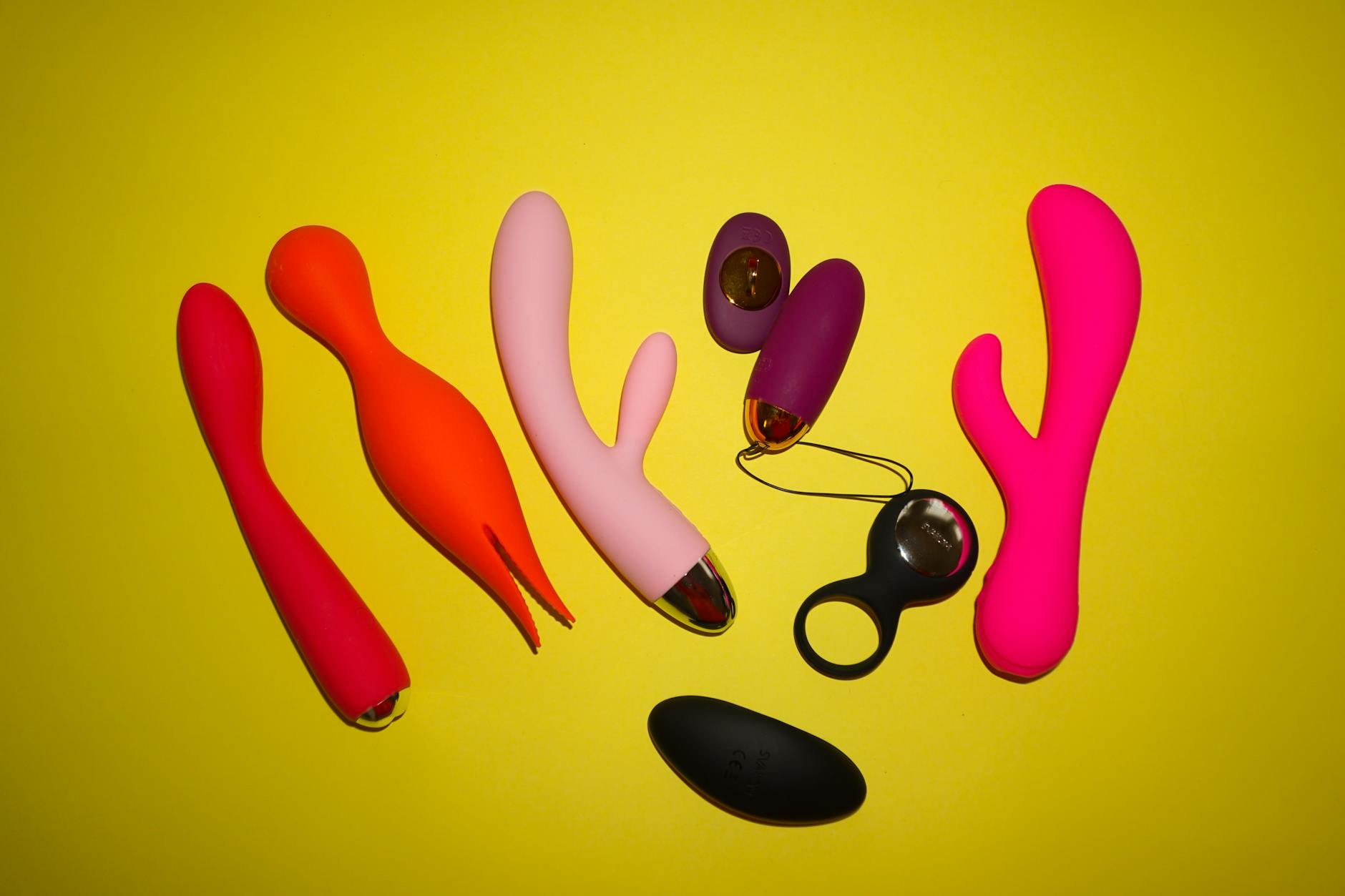
Here's what perimenopause actually does to pleasure
Perimenopause is not menopause. It's the 5-10 year runway before your period stops, and it's a completely different animal. Hormone levels don't drop smoothly. They ping-pong. One week your clitoris feels hypersensitive. The next week, nothing. You might have sex drive one cycle and feel completely numb the next. This isn't in your head. It's your estrogen and testosterone fluctuating wildly, and it changes everything about how pleasure works.
Most advice about sex during perimenopause is written for post-menopausal bodies. That doesn't help you, because perimenopause is its own unique terrain. You're not done yet. You're not broken. You're in transition, and that transition needs its own strategy.
A lemon vibrator works particularly well during perimenopause because it's flexible enough to meet you wherever you land each month.
Why sensation feels unpredictable right now
During perimenopause, estrogen drives up and down like a mood board. When it's high, tissue is thick and lubricated and responsive. When it crashes, sensation flattens. The clitoral nerve endings are still there. The nerve density hasn't changed. But the hormone environment around them makes them feel more or less excitable depending on where you are in your cycle.
Testosterone also drops gradually, and testosterone is a major player in desire for everyone. So some weeks you want sex, and some weeks you're like, "I literally do not understand why anyone cares about this."
This is normal. It's also temporary. Knowing that helps.
Why a lemon clitoral vibrator helps during the transition
A lemon sucker vibrator works differently than traditional vibrators. Instead of direct vibration, it uses gentle pulsing suction. That means several things for perimenopause bodies.
First, suction stimulates a wider area of tissue without hard-direct friction. When sensation is muted, this broader stimulation is often more effective than concentrated vibration. When sensation is heightened, you can dial the pattern down to something gentler.
Second, the Lem specifically has multiple intensity levels and patterns. This matters enormously during perimenopause because you're not the same person every week. You need a tool that adapts without making you feel broken for needing adaptation.
Third, suction devices work well when lubrication is inconsistent. Perimenopause often brings slightly lower lubrication, especially in certain phases. A lemon vibrator creates its own seal, so whether you're very wet or moderately wet, the sensation stays consistent.
How to use a lemon vibrator when sensation shifts weekly
Week 1 (days 1-7 of your cycle, roughly). Bleeding weeks often come with lower desire. Your hormones are on the floor. Start at intensity level 1 or 2 on your lemon vibrator and spend more time with slower patterns. Slower patterns (often labeled pattern 1-3) create rhythmic stimulation without overwhelming reduced sensitivity. Budget 20-30 minutes instead of rushing. Your body isn't slow. Your hormones are just asking for a different pace.
Week 2 (days 8-14, roughly). Follicular phase. Estrogen is climbing. Sensation is improving. You might feel more adventurous. Move up to levels 3-5 if intensity 2 felt insufficient. Try faster patterns if you want them. This is often the week when partnership feels easiest, when you have energy, when your body cooperates most readily.
Week 3 (days 15-21, roughly). Luteal phase starts. Progesterone rises alongside lingering estrogen. Sensitivity can actually spike here, but so can irritability. You might want clitoral stimulation but feel impatient. Shorter sessions with higher intensity (levels 5-7, or patterns that feel snappier) often work better than long slow buildup. Some people get their best orgasms this week. Others feel overstimulated. Both are fine.
Week 4 (days 22-28, roughly). Late luteal. Hormones are crashing again. Desire might disappear. Sensation might flatten again. Return to lower intensities, slower patterns, longer warm-up time. This is the week when "I don't want to" is real data, not laziness. Honor it.
This doesn't have to be perfect. The point is noticing that your body is a landscape that changes, and flexibility beats rigidity every time.
Three adjustments that make pleasure easier during perimenopause
1. Lube, even when you don't think you need it. Perimenopause lubrication is inconsistent. Some days you're fine. Some days it's scarce. Keep water-based lube on your nightstand. Apply it to the Lem and to your body. This isn't about being broken. It's about removing friction from the equation so you can focus on sensation instead of discomfort.
2. Longer warm-up time. Arousal takes longer to build during perimenopause. Your brain is the same. Your body is just slower to respond. Instead of 5-10 minutes of foreplay, budget 15-25 minutes. Start with the lemon vibrator on lower intensity while you're still getting mentally switched on. Let the tool do some of the work while your mind catches up.
3. Release the idea of spontaneous desire. Perimenopause often flattens spontaneous arousal. You don't walk past your partner and suddenly want them. Instead, planned intimacy works better. Set aside time, light a candle, get out your lemon vibrator, and give yourself permission to take 20 minutes to find the sensation. Anticipation often builds faster than spontaneity.
When sensation feels numb: troubleshooting reduced feeling
If you're using your lemon clitoral vibrator and feeling nothing, three things to check.
First, are you on the lowest intensity levels? Numbness often means you're trying to use the tool the same way you did before perimenopause. Start at level 1. Spend time there. Move up only if you genuinely need to. Some weeks you might only ever go to level 3. That's not a failure.
Second, is your pelvic floor relaxed? Perimenopause tightness is real. When tissues are thinner and hormone-depleted, the pelvic floor sometimes over-grips to protect itself. Before using your Lem, try three minutes of conscious relaxation. Breathe into your pelvis. Think of opening instead of clenching. This helps sensation wake up.
Third, has it been a long time since you had sex or masturbated? Sensation often improves with regular use. Nerves wake up. Circulation improves. Try using your lemon vibrator two or three times a week instead of sporadically. Many people find sensation returns within a week or two of regular practice.
How a lemon vibrator helps partnerships during perimenopause
If you have a partner, perimenopause can create confusion. You're hot one week and cold the next. They might take it personally. You might feel bad for not wanting them sometimes.
Using a lemon vibrator together actually helps. It's a concrete tool that you can both understand. "This week my sensation is lower, so I'm using patterns 1-3 and we're taking more time" is information. It's not rejection. It's clarity.
Some partners worry that vibrators mean they're not enough. Reframe it. A lemon vibrator doesn't replace your partner. It's an amplifier during a phase when your body needs amplification. If you'd like them involved, they can hold the tool, set the pace, choose the pattern. The stimulation is still a shared experience. Just smoother, because the tool does some of the work your fluctuating hormones temporarily can't.
When to loop in a doctor
If perimenopause sensation changes come with pain, don't wait. Pain during sex is not part of the transition. It's a sign something needs attention. A gynecologist familiar with perimenopause can help. Sometimes topical estrogen helps locally. Sometimes it's pelvic floor physical therapy. Sometimes it's something else entirely. Get assessed.
If desire completely vanishes and stays vanished for months, talk to someone. Perimenopause desire fluctuation is normal. Total disappearance is different. A doctor can check hormone levels and discuss options.
FAQ: Common questions about lemon vibrators and perimenopause
How do I know which intensity level to start with? Start at level 1. Spend three to five minutes. If you feel genuinely nothing, go to level 2. Most people find sensation at levels 1-3 during low-sensitivity weeks. You're not meant to stay at high intensities all the time. Variability is the whole point.
Does a lemon clitoral vibrator help if my partner and I have mismatched desire right now? Yes. When your desire crashes and theirs doesn't, a lemon vibrator means you can still be intimate without faking readiness. You can use it alone while they're nearby, or together. It removes the pressure to perform arousal you're not naturally feeling. See also How to Use a Lemon Vibrator With a Partner When Libido Mismatch Exists.
Will using a lemon vibrator make my sensitivity worse? No. Regular use often improves sensitivity because it wakes up nerve endings and improves circulation. If you're using it daily at high intensities, your nerves might feel temporarily fatigued. But that's true of any repeated stimulation. Using your Lem three to four times a week typically improves sensation over time, not damages it.
Can I use my lemon vibrator during perimenopause if I'm also taking antidepressants? Yes, though antidepressants can flatten sensation and desire. A lemon vibrator works even with dulled sensation because the stimulation is broad and adaptable. If you're struggling with pleasure on meds, read How to Use a Lemon Vibrator for Better Orgasms When Taking Antidepressants for specific strategies.
Should I stop using my lemon vibrator during the weeks when I don't want sex? No. "Not wanting partnered sex" is different from "not touching yourself." Many people find that regular solo use of a lemon vibrator actually improves desire over time because it keeps you connected to sensation. The tool reminds your body that pleasure is still available. You're not forcing yourself. You're practicing.
What if my partner feels threatened by my lemon vibrator during perimenopause? Conversation helps. The tool isn't about them or their adequacy. It's about your body adapting to hormonal change. If they're willing, show them how it works. Let them understand it's not a replacement. Sometimes partners feel better when they're involved, even just by being present. If the discomfort persists, consider talking to a couples therapist. Perimenopause changes are easier to navigate with alignment.
The real work: staying connected to your body during the transition
Perimenopause is not a disease. It's a phase. But it's a phase when pleasure can feel unreliable, and that's destabilizing if you're used to your body cooperating.
A lemon vibrator helps because it works with fluctuation instead of against it. It has enough range to match whatever your body offers each week. You're not chasing some fixed idea of how pleasure should work. You're meeting yourself where you are.
The biggest shift is releasing the expectation that your body should feel the same month to month. It won't. That's not failure. That's perimenopause. A tool that adapts, combined with patience for the process, is usually enough to keep pleasure alive while everything else is shifting.
Your body is still yours. Your pleasure still matters. You're just learning a new language for how it works.