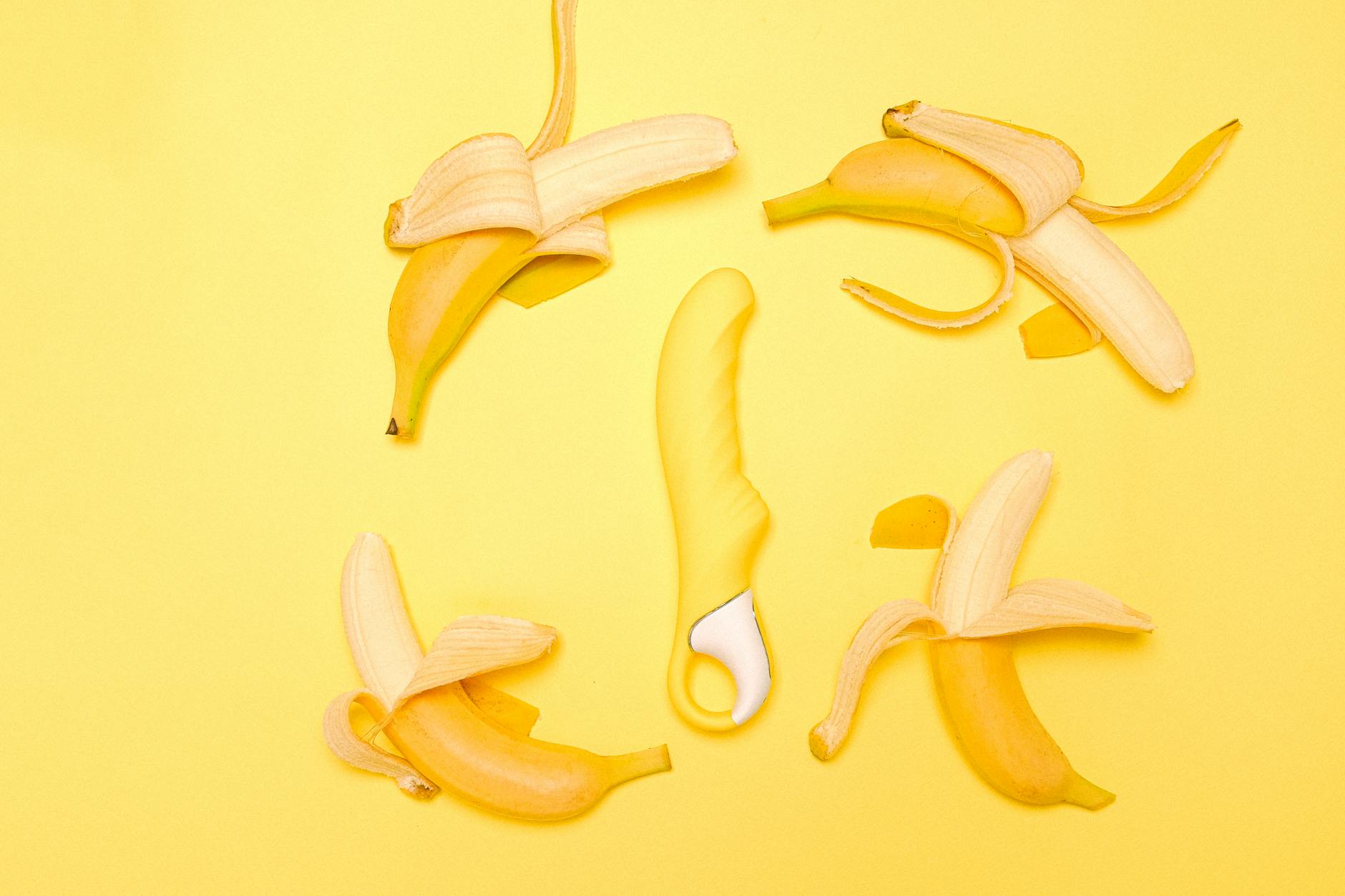
You've probably been using the wrong vibrator all along
Most people discover vibrators through the traditional route. Bullet. Wand. Maybe something that looks like a lipstick or a rabbit. They work fine. Then someone tries a lemon clitoral vibrator, and suddenly they realize "fine" was selling themselves short.
The difference isn't marketing or shape. It's physics.
What makes air-pulse lemon vibrators fundamentally different
Traditional vibrators work through oscillation. A motor inside vibrates side to side or up and down, usually 3,000 to 10,000 times per second. That creates constant friction against your tissue. Feels good initially, but here's the catch: your nerve endings adapt to repetitive stimulation. After 10-15 minutes of the same rhythm, sensation flattens. You chase intensity by cranking the vibration higher, which creates numbness faster.
Lemon clitoral vibrators work through suction. Air pulses create a seal and release around the clitoris, mimicking the sensation of a partner's mouth. That's not poetic language. That's neurologically accurate. When air pressure changes against tissue with thousands of nerve endings, it fires different neural pathways than vibration does. Your nerves don't adapt the same way.
Think of it this way: vibration is like tapping on glass repeatedly. Suction is like alternating between pressing and releasing. Your body responds differently to each pattern.
Why suction stimulation feels more intense faster
The clitoris has 8,000 nerve endings concentrated in a surface roughly the size of a pea. Most of those nerves are mechanoreceptors—they respond to pressure changes and texture, not just movement.
When you use air-pulse stimulation from a lemon vibrator, those mechanoreceptors fire rapidly because the sensation keeps changing. Pressure builds. It releases. It builds again. Your nervous system perceives novelty, which keeps arousal climbing. Traditional vibrators create monotony, even if the speed is high.
This matters because arousal is partly about anticipation. Your body preps for the next sensation. With suction, there's always a next sensation. With steady vibration, there's just... more of the same.
Clients often report that they reach orgasm 30% to 50% faster with air-pulse lemon clitoral vibrators than traditional vibrators. Some experience multi-orgasmic response they'd never found before. This isn't because they're "better"—it's because the mechanism actually aligns with how clitoral tissue responds to stimulus.
The numbness problem traditional vibrators create
Vibration desensitization is real. After using a traditional vibrator regularly, many people notice they need more intensity to feel the same sensation. They crank the vibration to level 5 or 6, then feel less pleasure, not more. The tissue adapts. The nerves stop firing as vigorously.
Air-pulse lemon vibrators sidestep this because the stimulus profile is fundamentally different. You're not asking the same nerves to respond to the same type of stimulation repeatedly. You're changing the type of input—pressure variation instead of oscillation.
Switching between a traditional vibrator and a lemon clitoral vibrator every few weeks also helps reset desensitization, which is why some people rotate between Hello Nancy's different toys to maintain sensation over time.
The comfort factor matters, and shape does too
Lemon vibrators have rounded, bulbous heads that distribute pressure over a wider area. A traditional bullet concentrates all that energy into a tiny point. That can feel amazing if you want precision, but it can also feel harsh on sensitive tissue—especially if you're dealing with arousal that takes time to build or you're new to vibrators.
The shape of a lemon clitoral vibrator means the stimulation spreads. Less intense pressure in any one spot. That distributes sensation differently, which often feels more comfortable during longer sessions and allows for subtler pleasure exploration without bottoming out into numbness.
When suction wins decisively
Air-pulse lemon vibrators pull ahead of traditional vibrators in specific scenarios:
Extended sessions. Vibration fatigues your nerves. Suction doesn't have the same wear curve. You can sustain pleasure longer without chasing higher intensity.
Sensitivity changes. If you're experiencing numbness from antidepressants, aging, or previous vibrator use, suction often wakes up sensation faster because it's a different input type.
Partner play. Some people find suction easier to relax into when a partner is involved, because it mimics partnered stimulation more closely. That can reduce performance anxiety and allow more authentic arousal.
Variability in sensation. With air-pulse, you can adjust suction intensity, pattern, and rhythm. Traditional vibrators usually just have a dial from soft to intense. More variation means more discovery.
The science of why your body prefers novelty
Your nervous system is wired to respond to change. When stimulus stays identical, your nerves downregulate their response—that's called sensory adaptation, and it's automatic. Your brain literally stops paying attention to unchanging input.
This is why a new partner can feel electric compared to a long-term partner—not because the long-term partner is worse, but because novelty itself is arousing. Air-pulse stimulation keeps that novelty element alive even in solo play because the sensation is constantly shifting.
Traditional vibrators can't offer that without getting awkward or uncomfortable. Once you set them to a speed, they do the same thing until you stop them.
Traditional vibrators aren't bad—they're just one tool
I'm not here to tell you that lemon clitoral vibrators are universally better. Some people prefer the precision of a bullet. Some like penetrative vibrators. Some people's bodies respond better to direct, consistent vibration than suction.
But if you've tried a traditional vibrator for years and felt like something was missing—numbness creeping in, orgasms taking longer, sensation flattening—the issue might not be you. It might be mechanism. Switching to air-pulse often feels revelatory because you're finally giving your body a type of stimulation it hasn't adapted to yet.
How to transition if you're used to traditional vibrators
If you've been using a conventional vibrator and you switch to a lemon clitoral vibrator, start at low suction. The sensation will feel completely different, and that can be jarring if you jump to high intensity immediately. Give yourself permission to explore at lower settings first.
Many people use traditional vibrators and air-pulse lemon vibrators in the same session—maybe suction for the build-up phase, then vibration for the final push. That variety actually enhances response because you're not tiring out any single type of nerve receptor.
The takeaway
Lemon clitoral vibrators aren't just a shape preference. They're a different neurological pathway to pleasure. Air-pulse suction fires your mechanoreceptors differently than vibration does. Your nerves stay responsive longer. Your body stays interested longer. Arousal builds faster. Numbness takes longer to develop.
If you've felt stuck with traditional vibrators, this might be the reason why. Sometimes the right tool makes all the difference.